
Switched to PNG? You could be losing 25% of the gas you pay for
The loss stems from the widespread practice of retrofitting old LPG stoves for PNG use, a workaround that experts say is fundamentally flawed
- Mar 31, 2026,
- Updated Mar 31, 2026 11:58 AM IST
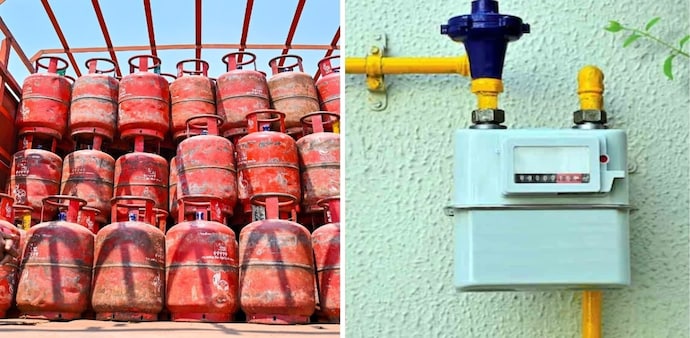
As households shift to piped natural gas amid tightening LPG supplies, a hidden inefficiency is driving up costs, and many consumers are unknowingly losing nearly a quarter of the gas they pay for, according to a report by Deccan Herald.
The loss stems from the widespread practice of retrofitting old LPG stoves for PNG use, a workaround that experts say is fundamentally flawed.
Why households are losing gas
Consumers who convert their LPG stoves by modifying nozzles and burners are facing significant inefficiency. These stoves are designed for LPG, which is denser and supplied at higher pressure, while PNG flows at lower pressure and requires a different combustion setup.
As a result, nearly 25% of the gas billed is not effectively used.
“The companies are not interested as they can sell 25% more gas by allowing retrofitting. Consumers continue to pay 25% more for the gas they never used,” said Anjan Ray, former director of CSIR-Indian Institute of Petroleum, the report noted.
Ray added: “Any consumer who switches to a PNG stove will recover the cost in reduced bills within the next few months.”
Policy push amid LPG shortages
The issue has become urgent following a recent policy shift. On March 24, the Union Ministry of Petroleum and Natural Gas notified that households with access to PNG will stop receiving LPG within three months if they do not switch.
The move comes amid supply pressures linked to the ongoing West Asia conflict. Around 60% of LPG is imported, compared with about 50% dependence for PNG, prompting a push toward piped gas.
Environmental and safety concerns
Beyond higher bills, experts warn that inefficient combustion results in unburnt methane emissions, further increasing environmental risks.
PNG is methane-based, and even small amounts of wasted gas have a high global warming impact, making the inefficiency a broader concern.
Studies by CSIR-IIP have flagged retrofitting as both inefficient and a potential safety hazard. The institute has also promoted PNG-compatible stoves and transferred the technology to multiple manufacturers.
Regulatory gap and industry response
Despite the findings, retrofitting remains common.
“However, there is no mandate to stop conversion/retrofitment of LPG stoves to PNG. Further, due to the current LPG crisis, the focus of the government is to bring as many consumers as possible into the PNG fold. The city gas distributor entities are working around the clock to achieve this objective,” said Chiradeep Datta, Chief Operating Officer of Think Gas.
Experts say existing regulations could address the issue if enforced more strictly.
An advisor to the Petroleum and Natural Gas Regulatory Board said the problem needs immediate attention.
“We need to stop the wastage of PNG, whose value cannot be overstated. The distributor companies have to understand that they have a big role to play in this matter,” he said.
As households shift to piped natural gas amid tightening LPG supplies, a hidden inefficiency is driving up costs, and many consumers are unknowingly losing nearly a quarter of the gas they pay for, according to a report by Deccan Herald.
The loss stems from the widespread practice of retrofitting old LPG stoves for PNG use, a workaround that experts say is fundamentally flawed.
Why households are losing gas
Consumers who convert their LPG stoves by modifying nozzles and burners are facing significant inefficiency. These stoves are designed for LPG, which is denser and supplied at higher pressure, while PNG flows at lower pressure and requires a different combustion setup.
As a result, nearly 25% of the gas billed is not effectively used.
“The companies are not interested as they can sell 25% more gas by allowing retrofitting. Consumers continue to pay 25% more for the gas they never used,” said Anjan Ray, former director of CSIR-Indian Institute of Petroleum, the report noted.
Ray added: “Any consumer who switches to a PNG stove will recover the cost in reduced bills within the next few months.”
Policy push amid LPG shortages
The issue has become urgent following a recent policy shift. On March 24, the Union Ministry of Petroleum and Natural Gas notified that households with access to PNG will stop receiving LPG within three months if they do not switch.
The move comes amid supply pressures linked to the ongoing West Asia conflict. Around 60% of LPG is imported, compared with about 50% dependence for PNG, prompting a push toward piped gas.
Environmental and safety concerns
Beyond higher bills, experts warn that inefficient combustion results in unburnt methane emissions, further increasing environmental risks.
PNG is methane-based, and even small amounts of wasted gas have a high global warming impact, making the inefficiency a broader concern.
Studies by CSIR-IIP have flagged retrofitting as both inefficient and a potential safety hazard. The institute has also promoted PNG-compatible stoves and transferred the technology to multiple manufacturers.
Regulatory gap and industry response
Despite the findings, retrofitting remains common.
“However, there is no mandate to stop conversion/retrofitment of LPG stoves to PNG. Further, due to the current LPG crisis, the focus of the government is to bring as many consumers as possible into the PNG fold. The city gas distributor entities are working around the clock to achieve this objective,” said Chiradeep Datta, Chief Operating Officer of Think Gas.
Experts say existing regulations could address the issue if enforced more strictly.
An advisor to the Petroleum and Natural Gas Regulatory Board said the problem needs immediate attention.
“We need to stop the wastage of PNG, whose value cannot be overstated. The distributor companies have to understand that they have a big role to play in this matter,” he said.