
'Poor' air alert: GRAP Stage-I activated in Delhi-NCR. Here what’s banned, what’s not
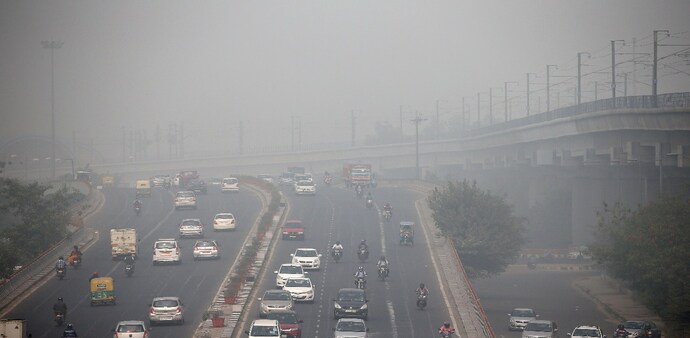
The move follows a steady deterioration in air quality, with the city’s Air Quality Index (AQI) touching 226 (‘Poor’ category) on April 16, amid unfavourable meteorological conditions.
- Apr 16, 2026,
- Updated Apr 16, 2026 7:49 PM IST
Delhi has officially entered the first tier of its anti-pollution emergency framework, with the Commission for Air Quality Management (CAQM) invoking Stage-I of the Graded Response Action Plan (GRAP) across the National Capital Region (NCR) with immediate effect.
The move follows a steady deterioration in air quality, with the city’s Air Quality Index (AQI) touching 226 (‘Poor’ category) on April 16, 2026, amid unfavourable meteorological conditions. Forecasts by IMD and IITM indicate that pollution levels are likely to remain in the same bracket over the next couple of days.
Why GRAP Stage-I was triggered
According to the official order issued by CAQM, the decision was taken after a review by the GRAP Sub-Committee, which flagged:
A rising AQI trend
- Unfavourable weather conditions limiting pollutant dispersion
- Continued risk of further deterioration if preventive steps are not enforced early
Authorities across Delhi, Uttar Pradesh, Haryana, and Rajasthan have been directed to ensure strict implementation, monitoring, and enforcement of Stage-I measures.
What’s banned and restricted
While Stage-I is the least severe level in the GRAP framework, it focuses on early intervention to prevent escalation. Key restrictions typically include:
Dust and Construction Controls
- Strict enforcement of dust mitigation measures at construction and demolition sites
- Mandatory use of anti-smog guns, water sprinkling, and covering of debris
- Penalties for non-compliance at construction sites
Waste Burning
- Ban on open burning of garbage, leaves, biomass, and other waste
- Intensified monitoring by local bodies to curb violations
Industrial and Emission Checks
- Tighter checks on industrial emissions
- Ensuring compliance with pollution control norms by factories
What’s allowed (with conditions)
Stage-I does not impose drastic restrictions, meaning most daily activities continue, but with stricter oversight:
Transport and Vehicles
- No blanket ban on vehicles
- However, pollution checks (PUC) and enforcement are intensified
- Authorities may increase vigilance on high-emission vehicles
Construction Activities
Construction is allowed, but only with strict dust control compliance
Public Movement
- No restrictions on public movement or offices
- Schools, businesses, and transport systems continue to operate normally
Advisory for Citizens
The CAQM has also urged citizens to follow the GRAP Stage-I citizen charter, which includes:
- Minimising use of private vehicles
- Avoiding waste burning
- Reporting pollution violations
- Opting for cleaner commuting options
Authorities have been asked to maintain strict vigil and step up enforcement to prevent AQI from slipping into worse categories like “Very Poor” or “Severe.” The GRAP Sub-Committee will continue to monitor the situation and may escalate to higher stages if pollution worsens.
Delhi has officially entered the first tier of its anti-pollution emergency framework, with the Commission for Air Quality Management (CAQM) invoking Stage-I of the Graded Response Action Plan (GRAP) across the National Capital Region (NCR) with immediate effect.
The move follows a steady deterioration in air quality, with the city’s Air Quality Index (AQI) touching 226 (‘Poor’ category) on April 16, 2026, amid unfavourable meteorological conditions. Forecasts by IMD and IITM indicate that pollution levels are likely to remain in the same bracket over the next couple of days.
Why GRAP Stage-I was triggered
According to the official order issued by CAQM, the decision was taken after a review by the GRAP Sub-Committee, which flagged:
A rising AQI trend
- Unfavourable weather conditions limiting pollutant dispersion
- Continued risk of further deterioration if preventive steps are not enforced early
Authorities across Delhi, Uttar Pradesh, Haryana, and Rajasthan have been directed to ensure strict implementation, monitoring, and enforcement of Stage-I measures.
What’s banned and restricted
While Stage-I is the least severe level in the GRAP framework, it focuses on early intervention to prevent escalation. Key restrictions typically include:
Dust and Construction Controls
- Strict enforcement of dust mitigation measures at construction and demolition sites
- Mandatory use of anti-smog guns, water sprinkling, and covering of debris
- Penalties for non-compliance at construction sites
Waste Burning
- Ban on open burning of garbage, leaves, biomass, and other waste
- Intensified monitoring by local bodies to curb violations
Industrial and Emission Checks
- Tighter checks on industrial emissions
- Ensuring compliance with pollution control norms by factories
What’s allowed (with conditions)
Stage-I does not impose drastic restrictions, meaning most daily activities continue, but with stricter oversight:
Transport and Vehicles
- No blanket ban on vehicles
- However, pollution checks (PUC) and enforcement are intensified
- Authorities may increase vigilance on high-emission vehicles
Construction Activities
Construction is allowed, but only with strict dust control compliance
Public Movement
- No restrictions on public movement or offices
- Schools, businesses, and transport systems continue to operate normally
Advisory for Citizens
The CAQM has also urged citizens to follow the GRAP Stage-I citizen charter, which includes:
- Minimising use of private vehicles
- Avoiding waste burning
- Reporting pollution violations
- Opting for cleaner commuting options
Authorities have been asked to maintain strict vigil and step up enforcement to prevent AQI from slipping into worse categories like “Very Poor” or “Severe.” The GRAP Sub-Committee will continue to monitor the situation and may escalate to higher stages if pollution worsens.