
'Pure pseudo-science, dangerous': Doctor dismantles Deepinder Goyal's gravity-aging theory
Goyal published a long post on Saturday arguing that gravity may accelerate aging and that controlled inversion practices could improve brain blood flow and extend human lifespan.
- Nov 16, 2025,
- Updated Nov 16, 2025 10:12 AM IST
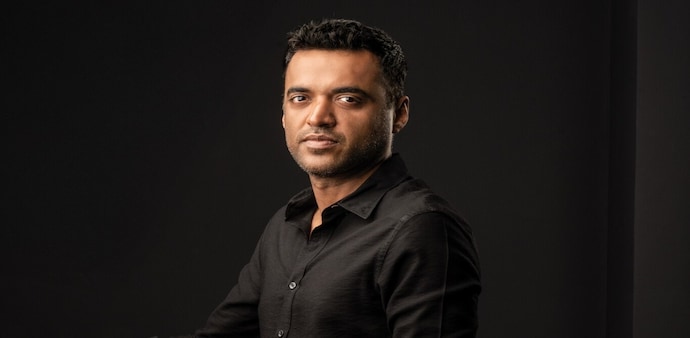
Zomato founder and Eternal CEO Deepinder Goyal's post linking gravity to human aging and promoting "inversions" for better brain health has drawn criticism online, with users calling the claim "misleading" and "dangerous."
Among the most detailed rebuttals came from Rajesh Parikh, a gynecologist for three decades, who called Goyal's post "highly misleading and incorrect," warning that it promotes "a dangerous practice."
"Please DO NOT DO INVERSIONS for brain health and super aging. Mr Goyal is promoting a dangerous practice. He might be gifs at creating a startup but let’s stop at that. This is pure pseudo science," Parikh wrote, responding to Goyal's lengthy explanation on X that introduced what he called the "Gravity Aging Hypothesis."
On Saturday, Goyal published a long post arguing that gravity may accelerate aging and that controlled inversion practices could improve brain blood flow and extend human lifespan.
In his post on X, Goyal had written, "I'm not sharing this as the CEO of Eternal, but as a fellow human, curious enough to follow a strange thread. A thread I can’t keep with myself any longer. It's open-source, backed by science, and shared with you as part of our common quest for scientific progress on human longevity."
Goyal claimed that his team's research had linked upright posture and reduced blood flow to the brain with the process of aging. "Upright posture reduces blood flow to the brain by small amounts, compounding every day for decades...These regions control aging itself: hormones, inflammation, metabolism, autonomic balance, repair," he wrote, adding that no one had yet connected these mechanisms into a "single, testable model for aging."
He argued that "a big part of human aging might be brain-first and gravity-driven", and that his research team had observed measurable improvements through inversion therapy. "Our biggest finding is that six weeks of using inversion tables for more than 10 minutes every day led to a baseline increase of 7% in our daily average Brain Flow. This possibly nullifies 10 years of loss of Brain Flow with age," he wrote.
However, Parikh refuted Goyal's claims, explaining that the wellness industry's inversion logic is not just flawed but potentially dangerous. "The wellness industry claims headstands and inversions ‘reverse gravity,’ ‘flush blood to the brain,’ and slow aging. This sounds intuitive. It’s also completely physiologically backwards and potentially dangerous for the exact population seeking anti-aging benefits," the doctor wrote.
He explained that the brain has a defense mechanism called cerebral autoregulation (CA), which maintains constant blood flow despite pressure changes. "Its job is NOT to maximize blood flow. It’s to keep it constant despite pressure changes. This is protective, not limiting," he said.
Parikh added that when the body is inverted, blood pressure in the brain rises dramatically while venous blood struggles to drain. "Both arterial pressure IN and venous pressure OUT are rising. Your brain’s response? Immediate, aggressive vasoconstriction. Constricting the cerebral arteries to prevent dangerous hyperperfusion. A 2019 study found headstands cause ‘predictable reduction in cerebral blood delivery.’ The OPPOSITE of the wellness claim."
He further argued that if inversions truly increased blood flow, it would indicate a failure of the brain’s protective systems: "The ‘increased blood flow’ that wellness influencers promise isn’t a benefit. It’s a failure. If blood flow actually increased during inversion, it would mean your brain’s protective autoregulation has broken down. That’s not optimization. That’s pathology."
Citing evidence from space medicine, Parikh noted that astronauts in microgravity—who experience chronic headward fluid shifts—actually suffer accelerated aging effects. "Result: accelerated aging, vision damage from sustained intracranial pressure, a pathological syndrome called SANS. Not anti-aging. Pro-aging," he wrote.
He warned that while young, healthy individuals may tolerate short inversions, older adults with hypertension, glaucoma, or cardiovascular conditions are at real risk. "For aging populations with hypertension, heart disease, glaucoma, or stroke history (the exact people seeking anti-aging interventions), it’s an evidence-based risk," Parikh said.
Summing up, Parikh wrote: "The ‘reverse gravity to reverse aging’ narrative is seductive but physiologically illiterate. Your brain isn’t a passive bucket that benefits from being tipped upside down. It’s an exquisitely regulated organ that actively fights the pressure surge you’re creating."
He concluded with a clear recommendation: "If you want yoga’s anti-aging benefits, practice yoga — the breathing, the movement, the mindfulness. But skip the inversions. They provide none of the benefit, all of the risk, and rest on a foundation of physiological fantasy, not science."
Zomato founder and Eternal CEO Deepinder Goyal's post linking gravity to human aging and promoting "inversions" for better brain health has drawn criticism online, with users calling the claim "misleading" and "dangerous."
Among the most detailed rebuttals came from Rajesh Parikh, a gynecologist for three decades, who called Goyal's post "highly misleading and incorrect," warning that it promotes "a dangerous practice."
"Please DO NOT DO INVERSIONS for brain health and super aging. Mr Goyal is promoting a dangerous practice. He might be gifs at creating a startup but let’s stop at that. This is pure pseudo science," Parikh wrote, responding to Goyal's lengthy explanation on X that introduced what he called the "Gravity Aging Hypothesis."
On Saturday, Goyal published a long post arguing that gravity may accelerate aging and that controlled inversion practices could improve brain blood flow and extend human lifespan.
In his post on X, Goyal had written, "I'm not sharing this as the CEO of Eternal, but as a fellow human, curious enough to follow a strange thread. A thread I can’t keep with myself any longer. It's open-source, backed by science, and shared with you as part of our common quest for scientific progress on human longevity."
Goyal claimed that his team's research had linked upright posture and reduced blood flow to the brain with the process of aging. "Upright posture reduces blood flow to the brain by small amounts, compounding every day for decades...These regions control aging itself: hormones, inflammation, metabolism, autonomic balance, repair," he wrote, adding that no one had yet connected these mechanisms into a "single, testable model for aging."
He argued that "a big part of human aging might be brain-first and gravity-driven", and that his research team had observed measurable improvements through inversion therapy. "Our biggest finding is that six weeks of using inversion tables for more than 10 minutes every day led to a baseline increase of 7% in our daily average Brain Flow. This possibly nullifies 10 years of loss of Brain Flow with age," he wrote.
However, Parikh refuted Goyal's claims, explaining that the wellness industry's inversion logic is not just flawed but potentially dangerous. "The wellness industry claims headstands and inversions ‘reverse gravity,’ ‘flush blood to the brain,’ and slow aging. This sounds intuitive. It’s also completely physiologically backwards and potentially dangerous for the exact population seeking anti-aging benefits," the doctor wrote.
He explained that the brain has a defense mechanism called cerebral autoregulation (CA), which maintains constant blood flow despite pressure changes. "Its job is NOT to maximize blood flow. It’s to keep it constant despite pressure changes. This is protective, not limiting," he said.
Parikh added that when the body is inverted, blood pressure in the brain rises dramatically while venous blood struggles to drain. "Both arterial pressure IN and venous pressure OUT are rising. Your brain’s response? Immediate, aggressive vasoconstriction. Constricting the cerebral arteries to prevent dangerous hyperperfusion. A 2019 study found headstands cause ‘predictable reduction in cerebral blood delivery.’ The OPPOSITE of the wellness claim."
He further argued that if inversions truly increased blood flow, it would indicate a failure of the brain’s protective systems: "The ‘increased blood flow’ that wellness influencers promise isn’t a benefit. It’s a failure. If blood flow actually increased during inversion, it would mean your brain’s protective autoregulation has broken down. That’s not optimization. That’s pathology."
Citing evidence from space medicine, Parikh noted that astronauts in microgravity—who experience chronic headward fluid shifts—actually suffer accelerated aging effects. "Result: accelerated aging, vision damage from sustained intracranial pressure, a pathological syndrome called SANS. Not anti-aging. Pro-aging," he wrote.
He warned that while young, healthy individuals may tolerate short inversions, older adults with hypertension, glaucoma, or cardiovascular conditions are at real risk. "For aging populations with hypertension, heart disease, glaucoma, or stroke history (the exact people seeking anti-aging interventions), it’s an evidence-based risk," Parikh said.
Summing up, Parikh wrote: "The ‘reverse gravity to reverse aging’ narrative is seductive but physiologically illiterate. Your brain isn’t a passive bucket that benefits from being tipped upside down. It’s an exquisitely regulated organ that actively fights the pressure surge you’re creating."
He concluded with a clear recommendation: "If you want yoga’s anti-aging benefits, practice yoga — the breathing, the movement, the mindfulness. But skip the inversions. They provide none of the benefit, all of the risk, and rest on a foundation of physiological fantasy, not science."