
Rahul Gandhi makes explosive claim, says 'great discontent in Narendra Modi's camp'
In one of his first media interactions since the 2024 election results -- in which the Narendra Modi-led BJP failed to secure a majority for the first time in 10 years, forcing him to cobble up an alliance with the help of smaller parties -- Rahul Gandhi told The Financial Times that a 'tectonic shift has taken place in Indian politics.'
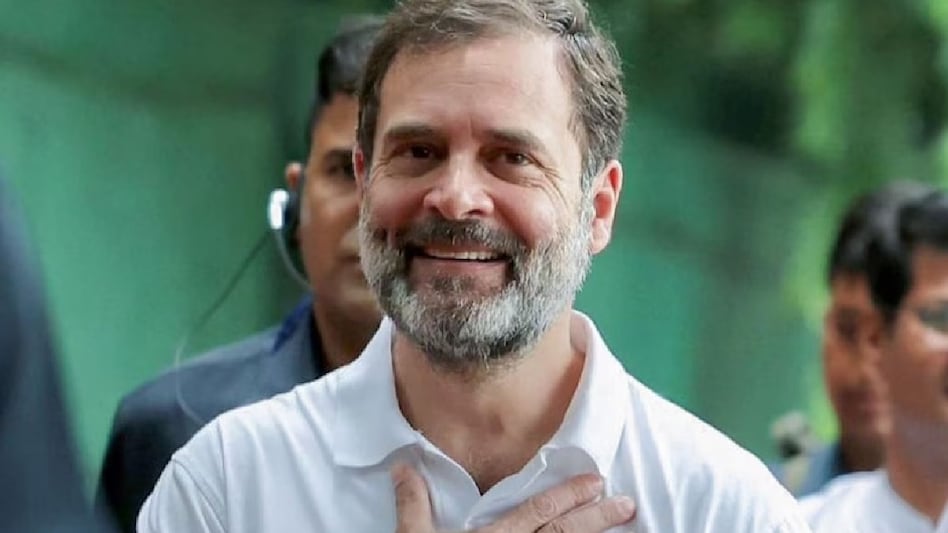
- Jun 18, 2024,
- Updated Jun 18, 2024 2:14 PM IST
Significant unrest within Prime Minister Narendra Modi's camp and the results of the recent General Elections have triggered a seismic change in India's political landscape, according to Indian National Congress leader Rahul Gandhi.
In one of his first media interactions since the 2024 election results — where the Modi-led BJP failed to secure a majority for the first time in 10 years, compelling the BJP to form an alliance with smaller parties - Rahul Gandhi told The Financial Times that a "tectonic shift has taken place in Indian politics."
Modi, recently inaugurated for an unprecedented third term, now faces scrutiny regarding the durability of his coalition. As the FT reported, political analysts have expressed concerns over the coalition's fragility, marking it as the most unstable in a decade.
The election results revealed a surprising performance by the opposition INDIA alliance, led by Congress, which secured 234 of the 543 seats in the lower house, compared to the BJP-led National Democratic Alliance's 293. This outcome has propelled Gandhi, who is the frontrunner to be named the opposition leader in the Lok Sabha, back to the forefront of Indian politics.
"The coalition's numbers are precarious, and any minor disruption could topple the government," Gandhi told the FT. "It would only take one ally to shift sides."
Furthermore, Gandhi hinted at significant unrest within Modi's faction, alluding to covert communications from individuals within the ruling camp, though he withheld specific details.
Throughout the election campaign, Modi sought to exploit existing religious fault lines, even labeling India's substantial Muslim population as "infiltrators" in one of his speeches.
Conversely, Gandhi's coalition garnered support from Dalits by highlighting fears that a stronger BJP might amend the constitution to strip them of affirmative action privileges.
"The notion that spreading hatred and anger yields political gains has been rejected by the Indian electorate in this election," stated Gandhi.
"This rejection of divisive tactics is why the coalition will face difficulties," he added, "because what worked for Modi in previous elections is no longer effective."
Gandhi also contended that under more equitable conditions, the opposition INDIA alliance would have secured a majority. Prior to the vote, Gandhi and his allies accused Modi's administration of suppressing opposition, including the imprisonment of two state leaders and the freezing of some Congress bank accounts.
"We fought with significant constraints, yet the Indian populace, especially the impoverished, knew what needed to be done," he noted.
Reflecting on the campaign's grassroots approach, Gandhi told the FT that the credit for this success was mainly due to direct engagement with the people. "Many winning strategies emerged from our interactions with the Indian public," he said. "These ideas weren't ours alone but stemmed from the people's aspirations."
"The perception of Modi and his image has been fundamentally altered," Gandhi concluded. "The BJP, which once thrived on religious polarization, has seen its influence wane."
"In essence, the BJP's foundational strategy of fostering religious discord has collapsed," Gandhi asserted.
Significant unrest within Prime Minister Narendra Modi's camp and the results of the recent General Elections have triggered a seismic change in India's political landscape, according to Indian National Congress leader Rahul Gandhi.
In one of his first media interactions since the 2024 election results — where the Modi-led BJP failed to secure a majority for the first time in 10 years, compelling the BJP to form an alliance with smaller parties - Rahul Gandhi told The Financial Times that a "tectonic shift has taken place in Indian politics."
Modi, recently inaugurated for an unprecedented third term, now faces scrutiny regarding the durability of his coalition. As the FT reported, political analysts have expressed concerns over the coalition's fragility, marking it as the most unstable in a decade.
The election results revealed a surprising performance by the opposition INDIA alliance, led by Congress, which secured 234 of the 543 seats in the lower house, compared to the BJP-led National Democratic Alliance's 293. This outcome has propelled Gandhi, who is the frontrunner to be named the opposition leader in the Lok Sabha, back to the forefront of Indian politics.
"The coalition's numbers are precarious, and any minor disruption could topple the government," Gandhi told the FT. "It would only take one ally to shift sides."
Furthermore, Gandhi hinted at significant unrest within Modi's faction, alluding to covert communications from individuals within the ruling camp, though he withheld specific details.
Throughout the election campaign, Modi sought to exploit existing religious fault lines, even labeling India's substantial Muslim population as "infiltrators" in one of his speeches.
Conversely, Gandhi's coalition garnered support from Dalits by highlighting fears that a stronger BJP might amend the constitution to strip them of affirmative action privileges.
"The notion that spreading hatred and anger yields political gains has been rejected by the Indian electorate in this election," stated Gandhi.
"This rejection of divisive tactics is why the coalition will face difficulties," he added, "because what worked for Modi in previous elections is no longer effective."
Gandhi also contended that under more equitable conditions, the opposition INDIA alliance would have secured a majority. Prior to the vote, Gandhi and his allies accused Modi's administration of suppressing opposition, including the imprisonment of two state leaders and the freezing of some Congress bank accounts.
"We fought with significant constraints, yet the Indian populace, especially the impoverished, knew what needed to be done," he noted.
Reflecting on the campaign's grassroots approach, Gandhi told the FT that the credit for this success was mainly due to direct engagement with the people. "Many winning strategies emerged from our interactions with the Indian public," he said. "These ideas weren't ours alone but stemmed from the people's aspirations."
"The perception of Modi and his image has been fundamentally altered," Gandhi concluded. "The BJP, which once thrived on religious polarization, has seen its influence wane."
"In essence, the BJP's foundational strategy of fostering religious discord has collapsed," Gandhi asserted.