
Rahul Gandhi's Bharat Jodo Yatra 2.0: All you need to know
The journey, set to unfold over the next two months, will criss-cross 15 states, traversing 100 Lok Sabha constituencies before culminating in Mumbai on March 20-21
- Jan 15, 2024,
- Updated Jan 15, 2024 8:39 AM IST
Congress leader Rahul Gandhi is on his second yatra in a little over a year, aiming to boost political momentum for the upcoming Lok Sabha elections. Gandhi claims his vision is to create a society that's peaceful and fair, countering what he sees as the BJP’s focus on “violence, hatred, and monopoly.”
Key Points:
* The Bharat Jodo Nyay Yatra spans 6,713 km, primarily by bus, connecting Manipur to Maharashtra, symbolising a strategic move to cover key regions in the lead-up to the elections.
* The journey, set to unfold over the next two months, will criss-cross 15 states, traversing 100 Lok Sabha constituencies before culminating in Mumbai on March 20-21.
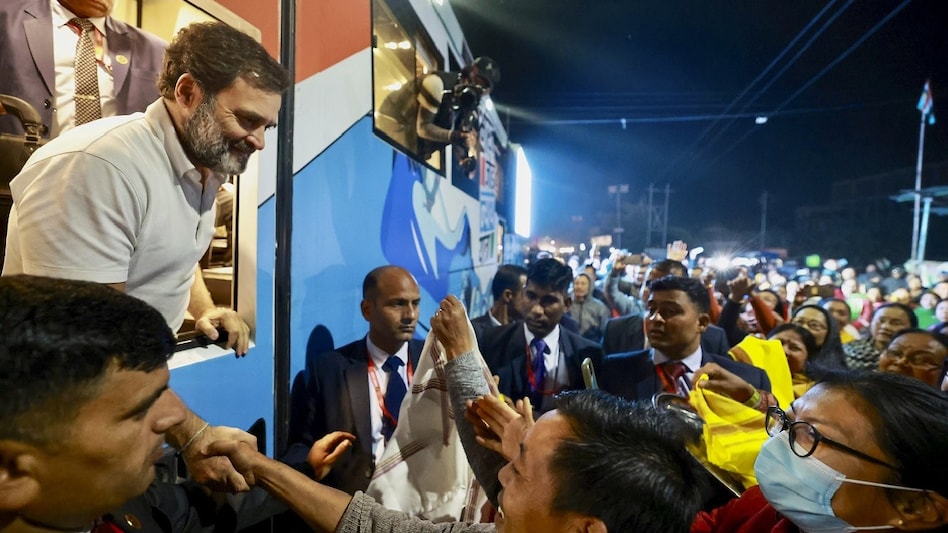
* A custom-made Volvo bus, equipped with a hydraulic lift, facilitates Rahul Gandhi's ability to address crowds en route, ensuring direct interaction with the public.
* Rahul Gandhi, in his public address, criticised the BJP's politics, particularly highlighting the alleged use of religious sentiments for electoral gains and accusing Prime Minister Narendra Modi of neglecting Manipur.
* Congress president Mallikarjun Kharge, in tandem with Gandhi, lambasted the BJP's Hindutva pitch, accusing the party of mixing religion with politics and inciting people.
* The Congress declined an invitation to the consecration ceremony of the Ram Temple, distancing itself from the event and expressing reservations about the BJP's political tactics.
* Gandhi identified Manipur as a symbol of BJP and RSS's politics of hate, pledging to bring back harmony, peace, and affection to the state.
* Gandhi cited economic monopolies, unemployment, and social inequality as pressing issues to be addressed during the yatra.
* Gandhi said the yatra aimed to give a voice to marginalized sections, including lower castes, Dalits, and tribals.
* Gandhi concluded his inaugural speech by expressing the intent to listen to the people's concerns, craft a vision for a harmonious and equitable society, and present it before India.
Congress leader Rahul Gandhi is on his second yatra in a little over a year, aiming to boost political momentum for the upcoming Lok Sabha elections. Gandhi claims his vision is to create a society that's peaceful and fair, countering what he sees as the BJP’s focus on “violence, hatred, and monopoly.”
Key Points:
* The Bharat Jodo Nyay Yatra spans 6,713 km, primarily by bus, connecting Manipur to Maharashtra, symbolising a strategic move to cover key regions in the lead-up to the elections.
* The journey, set to unfold over the next two months, will criss-cross 15 states, traversing 100 Lok Sabha constituencies before culminating in Mumbai on March 20-21.
* A custom-made Volvo bus, equipped with a hydraulic lift, facilitates Rahul Gandhi's ability to address crowds en route, ensuring direct interaction with the public.
* Rahul Gandhi, in his public address, criticised the BJP's politics, particularly highlighting the alleged use of religious sentiments for electoral gains and accusing Prime Minister Narendra Modi of neglecting Manipur.
* Congress president Mallikarjun Kharge, in tandem with Gandhi, lambasted the BJP's Hindutva pitch, accusing the party of mixing religion with politics and inciting people.
* The Congress declined an invitation to the consecration ceremony of the Ram Temple, distancing itself from the event and expressing reservations about the BJP's political tactics.
* Gandhi identified Manipur as a symbol of BJP and RSS's politics of hate, pledging to bring back harmony, peace, and affection to the state.
* Gandhi cited economic monopolies, unemployment, and social inequality as pressing issues to be addressed during the yatra.
* Gandhi said the yatra aimed to give a voice to marginalized sections, including lower castes, Dalits, and tribals.
* Gandhi concluded his inaugural speech by expressing the intent to listen to the people's concerns, craft a vision for a harmonious and equitable society, and present it before India.