
RBI partially withdraws curbs imposed on rupee derivatives on April 1
The RBI had barred authorised dealers from offering non-deliverable derivative contracts involving rupee to resident or non-resident users on April 1.
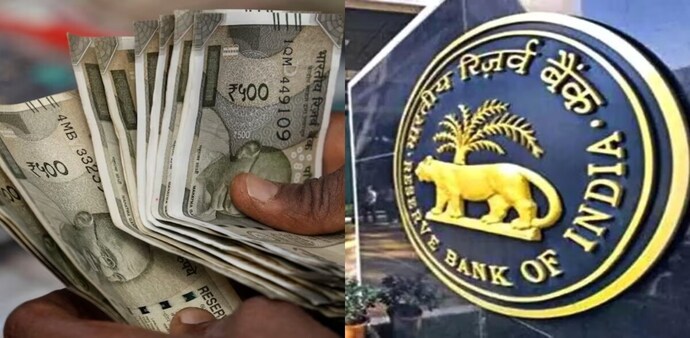
- Apr 20, 2026,
- Updated Apr 20, 2026 8:06 PM IST
The Reserve Bank of India (RBI) has partially withdrawn restrictions it had announced on April 1 in the wake of the sharp depreciation in the rupee against the US dollar.
Amid the war in West Asia that had led to a sharp rise in oil prices and disrupted supply chains, the rupee fell sharply. In March alone the currency dropped 4 per cent, forcing the central bank to step in with measures to stabilise the rupee.
Under the measures announced on April 1, authorised dealers were barred from offering non-deliverable derivative contracts involving rupee to resident or non-resident users. Authorised dealers may, however, continue to offer deliverable foreign exchange derivative contracts to users to meet their hedging requirements provided that the user does not undertake offsetting non-deliverable derivative positions, it had said.
RBI said on Monday, April 20, that on review, it had been decided to withdraw the restrictions issued on April 1. However, the relief is only partial with certain directives still in place.
“It has been decided that authorised dealers shall not undertake any foreign exchange derivative contract involving rupee with their related parties except for the following: cancellation and rollover of existing contracts; and transactions undertaken with non-related non-resident users on a back-to-back basis in terms of the master direction - risk management and inter-bank dealings dated July 05, 2016, as amended from time to time,” the RBI said.
Amid the geopolitical crisis, oil prices surged to $100 a barrel, raising costs for India, which depends on imports for major chunk of its oil requirement. The rupee hit a record low of 95.20 intra-day on March 30 against the dollar. It has since recovered following the measures announced by RBI and hopes of the war ending.
The rupee had closed at 92.91 against the greenback on April 17. However, it again weakened on April 20 to close around 93.10, as fresh tensions between US and Iran led to the Strait of Hormuz being closed again, further raising concerns on oil prices and global supply chains.
The Reserve Bank of India (RBI) has partially withdrawn restrictions it had announced on April 1 in the wake of the sharp depreciation in the rupee against the US dollar.
Amid the war in West Asia that had led to a sharp rise in oil prices and disrupted supply chains, the rupee fell sharply. In March alone the currency dropped 4 per cent, forcing the central bank to step in with measures to stabilise the rupee.
Under the measures announced on April 1, authorised dealers were barred from offering non-deliverable derivative contracts involving rupee to resident or non-resident users. Authorised dealers may, however, continue to offer deliverable foreign exchange derivative contracts to users to meet their hedging requirements provided that the user does not undertake offsetting non-deliverable derivative positions, it had said.
RBI said on Monday, April 20, that on review, it had been decided to withdraw the restrictions issued on April 1. However, the relief is only partial with certain directives still in place.
“It has been decided that authorised dealers shall not undertake any foreign exchange derivative contract involving rupee with their related parties except for the following: cancellation and rollover of existing contracts; and transactions undertaken with non-related non-resident users on a back-to-back basis in terms of the master direction - risk management and inter-bank dealings dated July 05, 2016, as amended from time to time,” the RBI said.
Amid the geopolitical crisis, oil prices surged to $100 a barrel, raising costs for India, which depends on imports for major chunk of its oil requirement. The rupee hit a record low of 95.20 intra-day on March 30 against the dollar. It has since recovered following the measures announced by RBI and hopes of the war ending.
The rupee had closed at 92.91 against the greenback on April 17. However, it again weakened on April 20 to close around 93.10, as fresh tensions between US and Iran led to the Strait of Hormuz being closed again, further raising concerns on oil prices and global supply chains.