
Republic Day 2026: Why India became a republic on January 26 and not on August 15?
77th Republic Day: Republic Day is a reminder that India’s freedom is anchored not just in independence, but in constitutional values — justice, liberty, equality, and fraternity.
- Jan 25, 2026,
- Updated Jan 25, 2026 8:39 PM IST
Every year on January 26, India celebrates Republic Day, a date that marks a defining moment in the country’s democratic journey. While Independence Day on August 15 commemorates freedom from British rule, Republic Day signifies something equally foundational: the day India became a sovereign, democratic republic with its own Constitution.
Significance of January 26
India adopted its Constitution on January 26, 1950, formally replacing the Government of India Act, 1935, which had served as the legal framework during British rule. With this, the Constitution of India came into force, laying down the structure of governance, the separation of powers, and the fundamental rights and duties of citizens.
But the choice of January 26 was not random.
Link to the freedom movement
On January 26, 1930, the Indian National Congress declared Purna Swaraj — complete independence from British rule. That day was observed across the country as Independence Day during the freedom struggle. Two decades later, the Constituent Assembly deliberately chose January 26 to honour that historic pledge and connect the Constitution to the ideals of the independence movement.
From dominion to republic
Although India became independent on August 15, 1947, it initially remained a dominion within the British Commonwealth, with the British monarch as the nominal head of state. The Constitution’s enforcement on January 26, 1950, changed that status. India elected its own President as the head of state, completing the transition to a republic.
Why Republic Day matters today
Republic Day is a reminder that India’s freedom is anchored not just in independence, but in constitutional values — justice, liberty, equality, and fraternity. The day highlights the rule of law and the idea that power flows from the people.
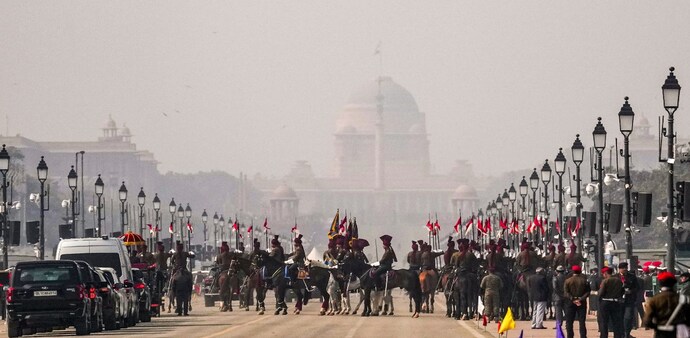
The annual Republic Day Parade at Kartavya Path in New Delhi showcases India’s military strength, cultural diversity, and technological progress, reinforcing national unity and pride.
In essence
- August 15, 1947: India gained independence
- January 26, 1950: India gave itself a Constitution and became a republic
That is why January 26 stands as a cornerstone of Indian democracy — celebrating not just freedom, but the framework that sustains it.
Every year on January 26, India celebrates Republic Day, a date that marks a defining moment in the country’s democratic journey. While Independence Day on August 15 commemorates freedom from British rule, Republic Day signifies something equally foundational: the day India became a sovereign, democratic republic with its own Constitution.
Significance of January 26
India adopted its Constitution on January 26, 1950, formally replacing the Government of India Act, 1935, which had served as the legal framework during British rule. With this, the Constitution of India came into force, laying down the structure of governance, the separation of powers, and the fundamental rights and duties of citizens.
But the choice of January 26 was not random.
Link to the freedom movement
On January 26, 1930, the Indian National Congress declared Purna Swaraj — complete independence from British rule. That day was observed across the country as Independence Day during the freedom struggle. Two decades later, the Constituent Assembly deliberately chose January 26 to honour that historic pledge and connect the Constitution to the ideals of the independence movement.
From dominion to republic
Although India became independent on August 15, 1947, it initially remained a dominion within the British Commonwealth, with the British monarch as the nominal head of state. The Constitution’s enforcement on January 26, 1950, changed that status. India elected its own President as the head of state, completing the transition to a republic.
Why Republic Day matters today
Republic Day is a reminder that India’s freedom is anchored not just in independence, but in constitutional values — justice, liberty, equality, and fraternity. The day highlights the rule of law and the idea that power flows from the people.
The annual Republic Day Parade at Kartavya Path in New Delhi showcases India’s military strength, cultural diversity, and technological progress, reinforcing national unity and pride.
In essence
- August 15, 1947: India gained independence
- January 26, 1950: India gave itself a Constitution and became a republic
That is why January 26 stands as a cornerstone of Indian democracy — celebrating not just freedom, but the framework that sustains it.