
₹100 thali, 65 customers a day: How a small village food shop makes ₹1.95 lakh monthly sales
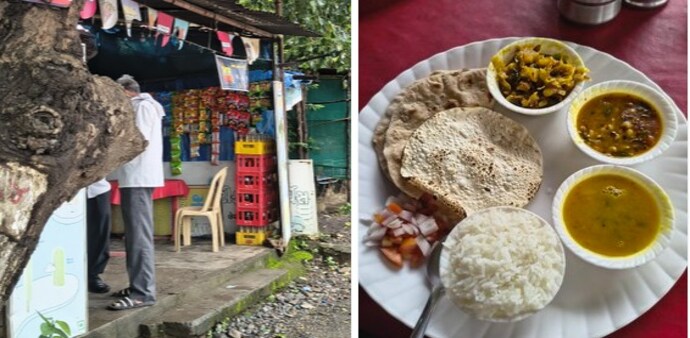
The shop offers a complete vegetarian meal for ₹100. The thali includes two vegetable dishes, roti, dal, rice, papad and salad, making it an affordable option for customers looking for a filling meal
- Aug 18, 2026,
- Updated Aug 18, 2026 3:37 PM IST
A small food shop located on a busy main road near a village has caught attention online after details of its business model revealed how an affordable ₹100 thali can generate nearly ₹2 lakh in monthly sales.
The shop was highlighted in an X post by Nalini Unagar, who spoke to the owner about the number of customers the business serves every day. According to the owner, more than 25 people eat at the shop daily, while over 40 regular tiffin orders come in from nearby areas.
What does the ₹100 thali include?
The shop offers a complete vegetarian meal for ₹100. The thali includes two vegetable dishes, roti, dal, rice, papad and salad, making it an affordable option for customers looking for a filling meal. The shop's customer base reportedly includes farm workers and elderly people living alone in nearby villages. Its location on a busy main road also helps bring in customers who are travelling through the area.
Annual profit
The numbers behind the business are straightforward. If the shop sells 65 thalis or equivalent meals a day at ₹100 each, its daily sales work out to around ₹6,500. Assuming the business operates for 30 days a month, that translates into approximately:
Daily sales: ₹6,500 Monthly sales: ₹1.95 lakh Annual sales: ₹23.4 lakh
These figures represent sales or revenue, not confirmed net profit.
How does the shop keep costs low?
According to the post, the owner and his wife prepare the food themselves, eliminating the need for additional staff costs. The owner also reportedly has a farm where he grows vegetables, helping reduce the cost of some ingredients. The combination of family labour, locally sourced produce, a low-priced menu and a steady customer base appears to be central to the shop's business model.
The original X post claimed that the shop could have a profit margin of at least 60%, potentially translating to more than ₹1 lakh in monthly profit. However, that figure has not been independently verified.
ALSO READ: Maharashtra FDA crackdown: Pune's Burger King sealed over hygiene lapses; should diners worry?
Social media reactions
The story has sparked discussion about the earning potential of small businesses in India's rural and semi-urban markets.
One user wrote, "Food business is more profitable only you have to concentrate on hygiene, proper test, and pure oil, masala etc..if you find out short way you can not run for a longer period."
Second user wrote, "Wonder whether you carry this curiosity when you visit posh urban commercial establishments and ask them to spill out their business statistics. Or if the shop keeper returns favour asking your income, spend patterns …"
Third user wrote, "Nowadays small food shops earn as good as good reputed restaurant or even sometimes more than that"
A small food shop located on a busy main road near a village has caught attention online after details of its business model revealed how an affordable ₹100 thali can generate nearly ₹2 lakh in monthly sales.
The shop was highlighted in an X post by Nalini Unagar, who spoke to the owner about the number of customers the business serves every day. According to the owner, more than 25 people eat at the shop daily, while over 40 regular tiffin orders come in from nearby areas.
What does the ₹100 thali include?
The shop offers a complete vegetarian meal for ₹100. The thali includes two vegetable dishes, roti, dal, rice, papad and salad, making it an affordable option for customers looking for a filling meal. The shop's customer base reportedly includes farm workers and elderly people living alone in nearby villages. Its location on a busy main road also helps bring in customers who are travelling through the area.
Annual profit
The numbers behind the business are straightforward. If the shop sells 65 thalis or equivalent meals a day at ₹100 each, its daily sales work out to around ₹6,500. Assuming the business operates for 30 days a month, that translates into approximately:
Daily sales: ₹6,500 Monthly sales: ₹1.95 lakh Annual sales: ₹23.4 lakh
These figures represent sales or revenue, not confirmed net profit.
How does the shop keep costs low?
According to the post, the owner and his wife prepare the food themselves, eliminating the need for additional staff costs. The owner also reportedly has a farm where he grows vegetables, helping reduce the cost of some ingredients. The combination of family labour, locally sourced produce, a low-priced menu and a steady customer base appears to be central to the shop's business model.
The original X post claimed that the shop could have a profit margin of at least 60%, potentially translating to more than ₹1 lakh in monthly profit. However, that figure has not been independently verified.
ALSO READ: Maharashtra FDA crackdown: Pune's Burger King sealed over hygiene lapses; should diners worry?
Social media reactions
The story has sparked discussion about the earning potential of small businesses in India's rural and semi-urban markets.
One user wrote, "Food business is more profitable only you have to concentrate on hygiene, proper test, and pure oil, masala etc..if you find out short way you can not run for a longer period."
Second user wrote, "Wonder whether you carry this curiosity when you visit posh urban commercial establishments and ask them to spill out their business statistics. Or if the shop keeper returns favour asking your income, spend patterns …"
Third user wrote, "Nowadays small food shops earn as good as good reputed restaurant or even sometimes more than that"