
'Russian oil came 25-50% cheaper but...': Priyank Kharge says Indian consumers didn't benefit from imports
Earlier in the day, US Vice President J D Vance said that the 50 per cent tariffs on India are a part of President Trump's strategy to exert "aggressive economic leverage" on Russia, aiming to end the conflict in Ukraine.
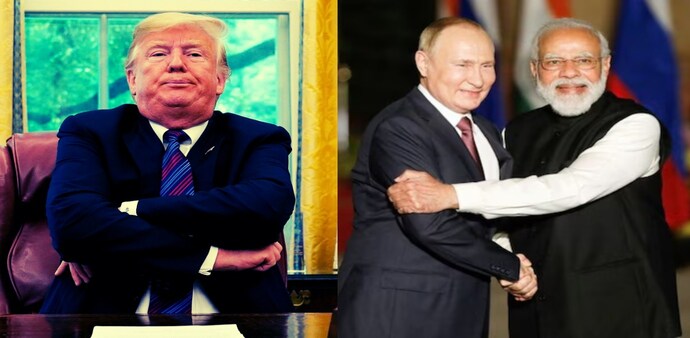
- Aug 25, 2025,
- Updated Aug 25, 2025 3:36 PM IST
Karnataka minister for electronics and information technology Priyank Kharge on Monday questioned who benefits from India's Russian oil imports. He went on to claim that it is certainly not the common man who reaps the benefits of importing Russian oil, while adding that it is select industrialists who benefit instead.
He also claimed that in FY24-25, India exported petroleum products worth $60 billion using discounted Russian crude.
"Russian oil came 25-50% cheaper, but petrol prices stayed high for Indian consumers. Oil companies posted ₹86,000 crore in profits, while the Centre raked in ₹2.7 lakh crore annually in fuel taxes," he wrote on X.
Kharge further said: "If cheap Russian oil was truly in 'India's interest', why didn't Indian consumers benefit? Instead, the common man paid the same hgih price and now faces fresh pain. Trump's tariff threats could hit jobs, raise prices and destabilise the economy while oil companies and the Centre continue to profit."
Earlier in the day, US Vice President J D Vance said that the 50 per cent tariffs on India are a part of President Trump's strategy to exert "aggressive economic leverage" on Russia, aiming to end the conflict in Ukraine.
The United States has announced a 50 per cent tariff on Indian products, including a 25 per cent penalty for purchasing discounted Russian oil.
He further noted, "We believe we have already seen some significant concessions from both sides." Vance told NBC. He added that while Russia could be welcomed back into the global economy if hostilities ceased, continued aggression would result in further isolation.
India's External Affairs Minister, S Jaishankar, criticised the US tariffs as unjust, describing them as "very perplexed" and highlighting that "it was the Americans" who suggested stabilising energy markets by buying Russian oil.
Jaishankar underscored that the tariffs were erroneously framed as an oil issue. Despite US pressure, India continues to bolster trade relations with Russia, as Jaishankar affirmed that India's energy policies are guided by national interest and market dynamics.
Responding to US criticism, Jaishankar stated, "That's really curious. If you have a problem buying oil or refined products from India, don't buy it. Nobody forces you to buy it."
Karnataka minister for electronics and information technology Priyank Kharge on Monday questioned who benefits from India's Russian oil imports. He went on to claim that it is certainly not the common man who reaps the benefits of importing Russian oil, while adding that it is select industrialists who benefit instead.
He also claimed that in FY24-25, India exported petroleum products worth $60 billion using discounted Russian crude.
"Russian oil came 25-50% cheaper, but petrol prices stayed high for Indian consumers. Oil companies posted ₹86,000 crore in profits, while the Centre raked in ₹2.7 lakh crore annually in fuel taxes," he wrote on X.
Kharge further said: "If cheap Russian oil was truly in 'India's interest', why didn't Indian consumers benefit? Instead, the common man paid the same hgih price and now faces fresh pain. Trump's tariff threats could hit jobs, raise prices and destabilise the economy while oil companies and the Centre continue to profit."
Earlier in the day, US Vice President J D Vance said that the 50 per cent tariffs on India are a part of President Trump's strategy to exert "aggressive economic leverage" on Russia, aiming to end the conflict in Ukraine.
The United States has announced a 50 per cent tariff on Indian products, including a 25 per cent penalty for purchasing discounted Russian oil.
He further noted, "We believe we have already seen some significant concessions from both sides." Vance told NBC. He added that while Russia could be welcomed back into the global economy if hostilities ceased, continued aggression would result in further isolation.
India's External Affairs Minister, S Jaishankar, criticised the US tariffs as unjust, describing them as "very perplexed" and highlighting that "it was the Americans" who suggested stabilising energy markets by buying Russian oil.
Jaishankar underscored that the tariffs were erroneously framed as an oil issue. Despite US pressure, India continues to bolster trade relations with Russia, as Jaishankar affirmed that India's energy policies are guided by national interest and market dynamics.
Responding to US criticism, Jaishankar stated, "That's really curious. If you have a problem buying oil or refined products from India, don't buy it. Nobody forces you to buy it."