
SC verdict on stray dogs: Key facts on dog bites, rabies, prevention and common myths
India has achieved a 75% reduction in rabies-related deaths in recent years, though the disease still causes around 5,700 deaths annually. A Lancet study and ICMR-NIE data highlight that expanded access to anti-rabies vaccine (ARV) and rabies immunoglobulins (RIG) has been crucial in this decline.
- Aug 22, 2025,
- Updated Aug 22, 2025 4:10 PM IST
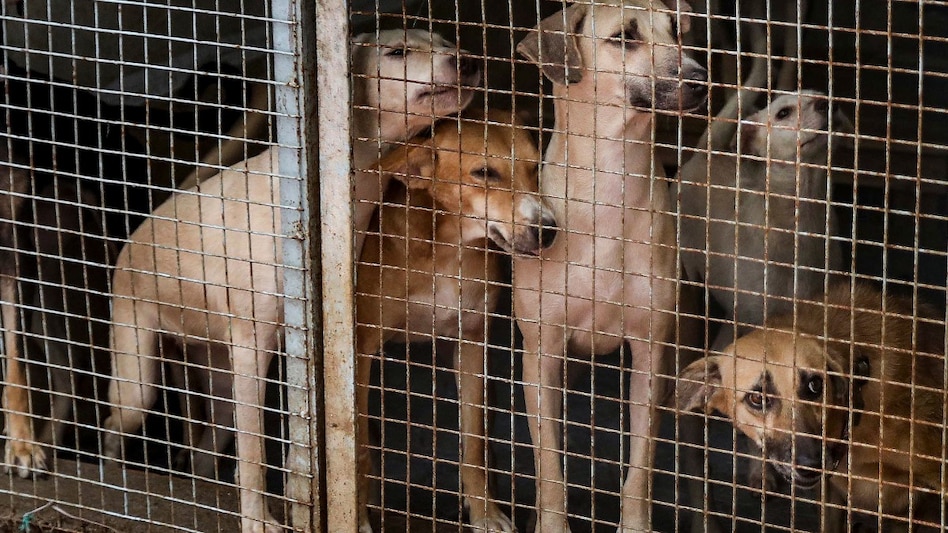
The Supreme Court has modified the stray dogs order and has allowed them to be released in the streets after sterilisation and immunisation. Dogs with rabies or aggressive behaviour will not be released, it said. The court prohibited the public feeding of stray dogs and ordered the creation of dedicated feeding spaces.
While the matter was earlier limited to the Delhi-NCR area, the court has expanded the scope of the proceedings by impleading all states and Union Territories as parties to the case.
What is Rabies?
Rabies is a viral disease that affects the central nervous system (the brain and spinal cord) of mammals, including humans. It is caused by the rabies virus, a member of the Lyssavirus genus.
Once symptoms appear, rabies is almost always fatal, which is why prevention and immediate treatment after exposure are critical.
How Rabies spreads
The virus is transmitted mainly through the saliva of infected animals, usually via: bites (most common), scratches or licks on open wounds or mucous membranes (eyes, mouth)
Animals that can carry rabies include: Dogs (most common source in India and many countries), cats, bats. The virus can also be found in wild animals like foxes, raccoons, and jackals.
Symptoms in humans
Symptoms may take weeks to months to appear after exposure (incubation period). They typically progress in stages:
Early signs: Fever, headache, weakness, pain or tingling at the bite site
Neurological stage:
- Anxiety, confusion, agitation
- Difficulty swallowing, excessive salivation
- Fear of water (hydrophobia)
- Fear of air (aerophobia)
Advanced stage: Paralysis, coma, and eventually death
Prevention & treatment
Post-exposure prophylaxis (PEP): If bitten or scratched, immediate steps are crucial:
- Wash the wound thoroughly with soap and running water for at least 15 minutes
- Apply an antiseptic
- Seek medical help immediately for rabies vaccination (and, in some cases, rabies immunoglobulin)
Pre-exposure vaccination: Recommended for veterinarians, lab workers, and people in high-risk areas
Animal vaccination: Regular vaccination of dogs, cats, and livestock helps break the transmission cycle
Worldwide cases
- Rabies causes tens of thousands of deaths every year, mostly in Asia and Africa
- Over 95% of human cases are linked to dog bites
- Rabies is considered 100% preventable with proper awareness, vaccination, and immediate care
Are rabies cases on decline in India
India has achieved a 75% reduction in rabies-related deaths in recent years, though the disease still causes around 5,700 deaths annually. A Lancet study and ICMR-NIE data highlight that expanded access to anti-rabies vaccine (ARV) and rabies immunoglobulins (RIG) has been crucial in this decline.
In Mumbai, ramped-up sterilisation (57 dogs/day in 2025) has contributed to a reduction in stray population and rabies cases. In Kodaikanal, a sustained “catch-vaccinate-release” campaign has achieved zero human rabies deaths for seven years.
Rabies deaths in India: 2024-2025
Official reported deaths:
- 2024: 54 suspected human rabies deaths recorded
- Jan 2025: 1 additional death reported (Press Information Bureau, India)
States such as Maharashtra, Madhya Pradesh, Karnataka, and Kerala reported a handful of cases each, but totals remain low.
Common misconceptions about rabies in India
Several myths contribute to misinformation and dangerous practices:
- “Only animal bites cause rabies.” False — it can also spread through scratches, licks on wounds, and saliva contact.
- “Only stray dogs carry rabies.” False — even pet dogs can transmit rabies if not vaccinated. A Reddit user pointed out: “People think they get rabies from stray dog bites alone, which is a myth. Pet dogs must also be vaccinated.”
- “If the animal doesn’t die in 10 days, you’re safe.” Misleading — observation may help, but it’s no substitute for immediate medical treatment.
- “Washing with alcohol or antiseptics is enough.” Partially true — washing thoroughly with soap and water for 15+ minutes is more effective. Medical follow-up is essential.
- “Rabies vaccines are costly or unavailable.” False — they are free at government hospitals and cheaper than many common expenses, though stock-outs may occur in rural areas.
- “Rabies can stay dormant for decades.” Unfounded — such claims are not supported by evidence and cause unnecessary panic.
- “Quack remedies or herbal cures work.” Dangerous — reliance on unproven treatments delays care and can be fatal.
India is making progress in reducing rabies cases through vaccination, sterilisation, and awareness drives. However, under-reporting, rural healthcare gaps, and persistent myths remain major challenges.
Rabies deaths are declining, but sustained public education, immediate post-exposure care, and widespread dog vaccination are essential to achieving the goal of zero human rabies deaths by 2030.
The Supreme Court has modified the stray dogs order and has allowed them to be released in the streets after sterilisation and immunisation. Dogs with rabies or aggressive behaviour will not be released, it said. The court prohibited the public feeding of stray dogs and ordered the creation of dedicated feeding spaces.
While the matter was earlier limited to the Delhi-NCR area, the court has expanded the scope of the proceedings by impleading all states and Union Territories as parties to the case.
What is Rabies?
Rabies is a viral disease that affects the central nervous system (the brain and spinal cord) of mammals, including humans. It is caused by the rabies virus, a member of the Lyssavirus genus.
Once symptoms appear, rabies is almost always fatal, which is why prevention and immediate treatment after exposure are critical.
How Rabies spreads
The virus is transmitted mainly through the saliva of infected animals, usually via: bites (most common), scratches or licks on open wounds or mucous membranes (eyes, mouth)
Animals that can carry rabies include: Dogs (most common source in India and many countries), cats, bats. The virus can also be found in wild animals like foxes, raccoons, and jackals.
Symptoms in humans
Symptoms may take weeks to months to appear after exposure (incubation period). They typically progress in stages:
Early signs: Fever, headache, weakness, pain or tingling at the bite site
Neurological stage:
- Anxiety, confusion, agitation
- Difficulty swallowing, excessive salivation
- Fear of water (hydrophobia)
- Fear of air (aerophobia)
Advanced stage: Paralysis, coma, and eventually death
Prevention & treatment
Post-exposure prophylaxis (PEP): If bitten or scratched, immediate steps are crucial:
- Wash the wound thoroughly with soap and running water for at least 15 minutes
- Apply an antiseptic
- Seek medical help immediately for rabies vaccination (and, in some cases, rabies immunoglobulin)
Pre-exposure vaccination: Recommended for veterinarians, lab workers, and people in high-risk areas
Animal vaccination: Regular vaccination of dogs, cats, and livestock helps break the transmission cycle
Worldwide cases
- Rabies causes tens of thousands of deaths every year, mostly in Asia and Africa
- Over 95% of human cases are linked to dog bites
- Rabies is considered 100% preventable with proper awareness, vaccination, and immediate care
Are rabies cases on decline in India
India has achieved a 75% reduction in rabies-related deaths in recent years, though the disease still causes around 5,700 deaths annually. A Lancet study and ICMR-NIE data highlight that expanded access to anti-rabies vaccine (ARV) and rabies immunoglobulins (RIG) has been crucial in this decline.
In Mumbai, ramped-up sterilisation (57 dogs/day in 2025) has contributed to a reduction in stray population and rabies cases. In Kodaikanal, a sustained “catch-vaccinate-release” campaign has achieved zero human rabies deaths for seven years.
Rabies deaths in India: 2024-2025
Official reported deaths:
- 2024: 54 suspected human rabies deaths recorded
- Jan 2025: 1 additional death reported (Press Information Bureau, India)
States such as Maharashtra, Madhya Pradesh, Karnataka, and Kerala reported a handful of cases each, but totals remain low.
Common misconceptions about rabies in India
Several myths contribute to misinformation and dangerous practices:
- “Only animal bites cause rabies.” False — it can also spread through scratches, licks on wounds, and saliva contact.
- “Only stray dogs carry rabies.” False — even pet dogs can transmit rabies if not vaccinated. A Reddit user pointed out: “People think they get rabies from stray dog bites alone, which is a myth. Pet dogs must also be vaccinated.”
- “If the animal doesn’t die in 10 days, you’re safe.” Misleading — observation may help, but it’s no substitute for immediate medical treatment.
- “Washing with alcohol or antiseptics is enough.” Partially true — washing thoroughly with soap and water for 15+ minutes is more effective. Medical follow-up is essential.
- “Rabies vaccines are costly or unavailable.” False — they are free at government hospitals and cheaper than many common expenses, though stock-outs may occur in rural areas.
- “Rabies can stay dormant for decades.” Unfounded — such claims are not supported by evidence and cause unnecessary panic.
- “Quack remedies or herbal cures work.” Dangerous — reliance on unproven treatments delays care and can be fatal.
India is making progress in reducing rabies cases through vaccination, sterilisation, and awareness drives. However, under-reporting, rural healthcare gaps, and persistent myths remain major challenges.
Rabies deaths are declining, but sustained public education, immediate post-exposure care, and widespread dog vaccination are essential to achieving the goal of zero human rabies deaths by 2030.