
SHANTI Bill passed in Lok Sabha through a voice vote as opposition parties stage a walkout
Opposition members accused the government of weakening public safeguards by allowing nuclear equipment suppliers to fall outside the liability framework in the event of an accident
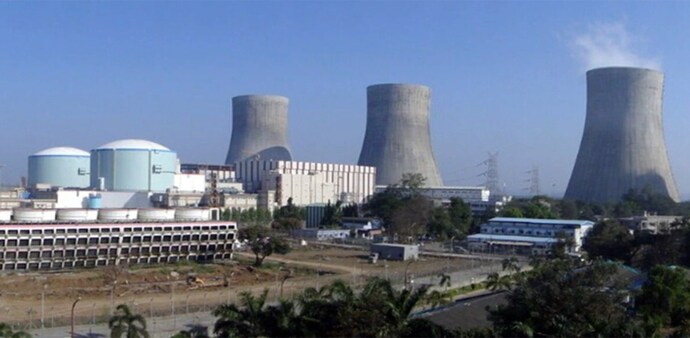
- Dec 18, 2025,
- Updated Dec 18, 2025 7:42 AM IST
India’s stringent nuclear liability framework created a climate of unease within the industry, discouraging participation and collaboration, Union Minister Jitendra Singh told the Lok Sabha on Wednesday, arguing that the new SHANTI Bill was designed to break that deadlock and pave the way for private players in atomic energy.
Singh made the remarks while responding to a debate in the House after the Sustainable Harnessing and Advancement of Nuclear Energy for Transforming India (SHANTI) Bill was cleared through a voice vote, even as opposition parties staged a walkout.
Opposition members accused the government of weakening public safeguards by allowing nuclear equipment suppliers to fall outside the liability framework in the event of an accident.
Rejecting that charge, Singh said accountability would rest clearly with plant operators.
“The government will deal only with the operator; it is upon the operator to deal with the supplier,” said Singh, the Minister of State in the PMO who oversees the Department of Atomic Energy.
He explained that liability caps have been recalibrated based on reactor size, a move he said was essential to attract emerging technologies, including small modular reactors.
Singh added that the Bill was structured to ensure victims receive complete compensation through multiple layers of protection. “This includes operator liability, a proposed Nuclear Liability Fund backed by the government, and additional international compensation through India's participation in the Convention on Supplementary Compensation,” he said.
Referring to the existing Civil Liability for Nuclear Damage (CLND) law, the minister said the definition of “supplier” had been so expansive that it effectively froze participation by vendors.
“Everybody was hesitant to come forward. This became an unending chain, resulting in a silent phobia among suppliers, and we lost out on collaboration for the last 10 years,” Singh said.
He described the SHANTI Bill as an effort to update India’s nuclear ecosystem to reflect current technological, economic and energy realities, while preserving the safety and regulatory architecture established since the Atomic Energy Act of 1962.
Calling it a turning point, Singh said the legislation would reposition India’s development trajectory. “India's role in geopolitics is increasing. If we have to be a global player, we have to follow global benchmarks and global strategies. The world is moving towards clean energy. We too have set a target of 100 GW of nuclear energy capacity by 2047,” he said.
He added that the overhaul was essential to meet rising power demand and raise nuclear energy’s contribution to around 10 per cent of the overall energy mix.
The Congress, however, pressed for deeper scrutiny of the Bill and demanded it be sent to a parliamentary committee. Party leader Manish Tewari opposed the legislation, arguing that removing supplier liability could expose India to serious risk in the event of a nuclear mishap. He also objected to provisions repealing the Atomic Energy Act of 1962 and the Civil Liability for Nuclear Damage Act of 2010.
(With inputs from PTI)
India’s stringent nuclear liability framework created a climate of unease within the industry, discouraging participation and collaboration, Union Minister Jitendra Singh told the Lok Sabha on Wednesday, arguing that the new SHANTI Bill was designed to break that deadlock and pave the way for private players in atomic energy.
Singh made the remarks while responding to a debate in the House after the Sustainable Harnessing and Advancement of Nuclear Energy for Transforming India (SHANTI) Bill was cleared through a voice vote, even as opposition parties staged a walkout.
Opposition members accused the government of weakening public safeguards by allowing nuclear equipment suppliers to fall outside the liability framework in the event of an accident.
Rejecting that charge, Singh said accountability would rest clearly with plant operators.
“The government will deal only with the operator; it is upon the operator to deal with the supplier,” said Singh, the Minister of State in the PMO who oversees the Department of Atomic Energy.
He explained that liability caps have been recalibrated based on reactor size, a move he said was essential to attract emerging technologies, including small modular reactors.
Singh added that the Bill was structured to ensure victims receive complete compensation through multiple layers of protection. “This includes operator liability, a proposed Nuclear Liability Fund backed by the government, and additional international compensation through India's participation in the Convention on Supplementary Compensation,” he said.
Referring to the existing Civil Liability for Nuclear Damage (CLND) law, the minister said the definition of “supplier” had been so expansive that it effectively froze participation by vendors.
“Everybody was hesitant to come forward. This became an unending chain, resulting in a silent phobia among suppliers, and we lost out on collaboration for the last 10 years,” Singh said.
He described the SHANTI Bill as an effort to update India’s nuclear ecosystem to reflect current technological, economic and energy realities, while preserving the safety and regulatory architecture established since the Atomic Energy Act of 1962.
Calling it a turning point, Singh said the legislation would reposition India’s development trajectory. “India's role in geopolitics is increasing. If we have to be a global player, we have to follow global benchmarks and global strategies. The world is moving towards clean energy. We too have set a target of 100 GW of nuclear energy capacity by 2047,” he said.
He added that the overhaul was essential to meet rising power demand and raise nuclear energy’s contribution to around 10 per cent of the overall energy mix.
The Congress, however, pressed for deeper scrutiny of the Bill and demanded it be sent to a parliamentary committee. Party leader Manish Tewari opposed the legislation, arguing that removing supplier liability could expose India to serious risk in the event of a nuclear mishap. He also objected to provisions repealing the Atomic Energy Act of 1962 and the Civil Liability for Nuclear Damage Act of 2010.
(With inputs from PTI)