
Still have ₹2,000 notes? Exchange them now, RBI reminds
If you discover ₹2,000 notes while clearing out belongings, don’t ignore them — send them to the RBI with your account details and expect the funds to be credited after verification.
- Jul 13, 2026,
- Updated Jul 13, 2026 6:27 PM IST
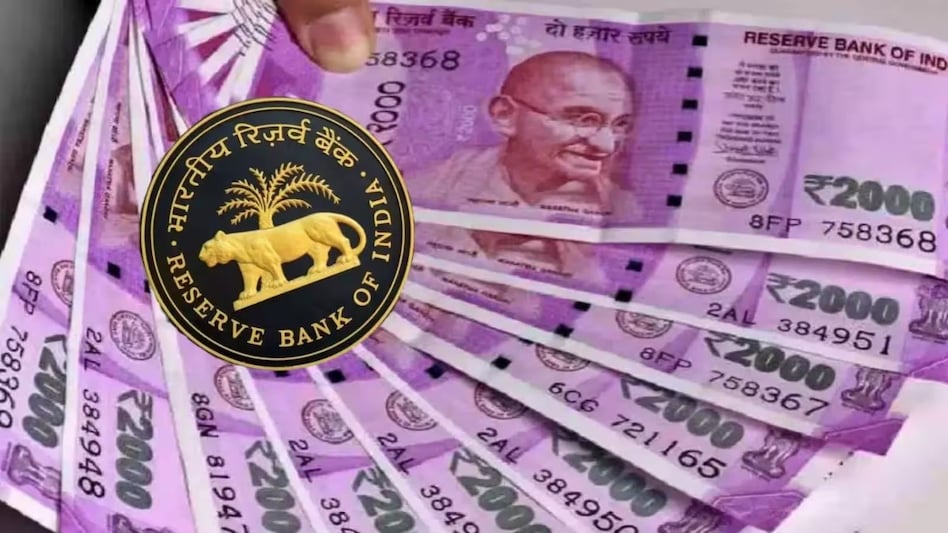
The Reserve Bank of India (RBI) has once again reminded the public that ₹2,000 banknotes continue to be legal tender and that those who still hold them should exchange or deposit them as soon as possible, the central bank said on Monday.
Background and RBI circular
In a circular issued after May 19, 2030, the RBI announced steps to withdraw the ₹2,000 denomination from circulation. “Most of the ₹2,000 notes have already returned to the banking system,” an RBI spokesperson said, adding, “However, any remaining notes are still legal tender and will be accepted by the central bank.” The note, originally introduced following the demonetisation exercise that replaced older ₹500 and ₹1,000 notes, was later recalled as part of currency-management measures.
How to exchange or deposit notes
The RBI clarified that banks are no longer exchanging ₹2,000 notes at branch counters. Instead, holders must approach one of the RBI’s issue offices. “People can submit the notes at any of the 19 regional offices of the RBI,” the spokesperson said. “If an RBI regional office is not available in your city, you may send notes via India Post to the nearest RBI issue office.” The postal submission must include the sender’s bank account details and other relevant information so the credited amount can be transferred to the correct account.
Practical tips for account credit
Officials advised citizens to provide complete and legible details when posting notes: name, account number, bank IFSC, and contact information. “Incomplete submissions could delay the credit of funds,” said a senior official at an RBI issue office. The RBI said submitted notes will be processed and the equivalent amount credited to the depositor’s bank account after verification.
WATCH THIS: Got a ₹2000 note? Here's what RBI wants you to know
What this means for holders
While the RBI continues to accept the notes, it also reiterated that the denomination is being withdrawn from circulation as part of a broader currency-management strategy. Financial advisors suggested residents who find the notes act promptly to avoid future inconvenience. “As long as the RBI recognises the notes as legal tender, holders can exchange them, but sooner is better,” said an independent banking analyst. For further details, the RBI has asked the public to visit its official website or contact the nearest RBI issue office.
The Reserve Bank of India (RBI) has once again reminded the public that ₹2,000 banknotes continue to be legal tender and that those who still hold them should exchange or deposit them as soon as possible, the central bank said on Monday.
Background and RBI circular
In a circular issued after May 19, 2030, the RBI announced steps to withdraw the ₹2,000 denomination from circulation. “Most of the ₹2,000 notes have already returned to the banking system,” an RBI spokesperson said, adding, “However, any remaining notes are still legal tender and will be accepted by the central bank.” The note, originally introduced following the demonetisation exercise that replaced older ₹500 and ₹1,000 notes, was later recalled as part of currency-management measures.
How to exchange or deposit notes
The RBI clarified that banks are no longer exchanging ₹2,000 notes at branch counters. Instead, holders must approach one of the RBI’s issue offices. “People can submit the notes at any of the 19 regional offices of the RBI,” the spokesperson said. “If an RBI regional office is not available in your city, you may send notes via India Post to the nearest RBI issue office.” The postal submission must include the sender’s bank account details and other relevant information so the credited amount can be transferred to the correct account.
Practical tips for account credit
Officials advised citizens to provide complete and legible details when posting notes: name, account number, bank IFSC, and contact information. “Incomplete submissions could delay the credit of funds,” said a senior official at an RBI issue office. The RBI said submitted notes will be processed and the equivalent amount credited to the depositor’s bank account after verification.
WATCH THIS: Got a ₹2000 note? Here's what RBI wants you to know
What this means for holders
While the RBI continues to accept the notes, it also reiterated that the denomination is being withdrawn from circulation as part of a broader currency-management strategy. Financial advisors suggested residents who find the notes act promptly to avoid future inconvenience. “As long as the RBI recognises the notes as legal tender, holders can exchange them, but sooner is better,” said an independent banking analyst. For further details, the RBI has asked the public to visit its official website or contact the nearest RBI issue office.