
Supreme Court cautions farmers on political promises
Apex court cautions agitating farmers to stay away from political parties, forms panel to look into their issues.
- Sep 2, 2024,
- Updated Sep 2, 2024 2:44 PM IST
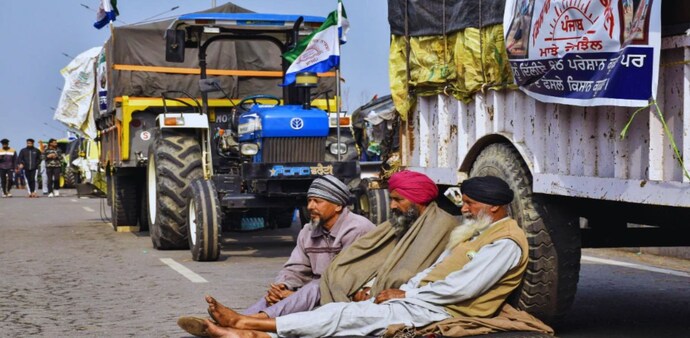
The Supreme Court has formed a committee to address the concerns of protesting farmers, advising them to avoid political influences and promises that may not be fulfilled. The court emphasised that the committee would examine ways to resolve the farmers' grievances. The Punjab and Haryana High Court was directed to identify specific issues within a week for the committee to address, with input from the Punjab and Haryana governments.
The newly-established committee will be led by Justice Nawab Singh, a former judge of the Punjab and Haryana High Court. The Supreme Court urged the committee to engage with the protesting farmers and encourage them to remove their tractors from the protest sites. The court expressed hope that the farmers would heed the committee's requests and clear the blocked borders, alleviating inconvenience for the general public once their legitimate concerns are addressed. This message was conveyed by a bench of the Supreme Court comprising Justice Surya Kant and Justice Ujjal Bhuyan.
The court reiterated its cautionary warning to farmers to remain independent of political parties and avoid making unrealistic demands. The chief secretaries and directors general of police from both Punjab and Haryana were instructed to cooperate with the committee and coordinate efforts to facilitate its work. Furthermore, the court suggested that the protesters move their demonstrations to alternative locations.
This decision comes in response to a petition filed by the Haryana government challenging a July 10 order from the Punjab and Haryana High Court. The order had directed the state government to reopen the Punjab-Haryana Shambhu border within a week. This border has been closed since February when farmers from Punjab began marching toward Delhi to demand various concessions, including a legal guarantee for a minimum support price (MSP) for all crops, as recommended by the M S Swaminathan Commission.
On July 24, the Supreme Court asked the governments of Punjab and Haryana to propose names for the committee, suggesting that it should include eminent individuals capable of engaging with farmers and other stakeholders to find a feasible resolution to their demands. The court expressed satisfaction with the names suggested, acknowledging that the proposed members were individuals of high integrity with experience in agricultural matters.
The Supreme Court highlighted that a significant proportion of the agricultural community in Punjab and Haryana belongs to marginalised groups and lives below the poverty line, emphasising the need for empathy in addressing their issues. The court underscored its belief that a neutral committee would be best suited to mediate and find solutions to the farmers' concerns.
In a previous hearing, the Supreme Court had noted a lack of trust between the government and the protesting farmers. The court questioned whether the government had made any genuine efforts to negotiate with the farmers, suggesting that ministers may not fully understand local issues. The court emphasized the importance of neutral mediators and confidence-building measures to bridge the trust gap between the two parties.
By establishing this committee, the Supreme Court aims to create a platform for constructive dialogue, hoping to resolve the ongoing farmers' protests and address the underlying issues that have led to the current impasse.
The Supreme Court has formed a committee to address the concerns of protesting farmers, advising them to avoid political influences and promises that may not be fulfilled. The court emphasised that the committee would examine ways to resolve the farmers' grievances. The Punjab and Haryana High Court was directed to identify specific issues within a week for the committee to address, with input from the Punjab and Haryana governments.
The newly-established committee will be led by Justice Nawab Singh, a former judge of the Punjab and Haryana High Court. The Supreme Court urged the committee to engage with the protesting farmers and encourage them to remove their tractors from the protest sites. The court expressed hope that the farmers would heed the committee's requests and clear the blocked borders, alleviating inconvenience for the general public once their legitimate concerns are addressed. This message was conveyed by a bench of the Supreme Court comprising Justice Surya Kant and Justice Ujjal Bhuyan.
The court reiterated its cautionary warning to farmers to remain independent of political parties and avoid making unrealistic demands. The chief secretaries and directors general of police from both Punjab and Haryana were instructed to cooperate with the committee and coordinate efforts to facilitate its work. Furthermore, the court suggested that the protesters move their demonstrations to alternative locations.
This decision comes in response to a petition filed by the Haryana government challenging a July 10 order from the Punjab and Haryana High Court. The order had directed the state government to reopen the Punjab-Haryana Shambhu border within a week. This border has been closed since February when farmers from Punjab began marching toward Delhi to demand various concessions, including a legal guarantee for a minimum support price (MSP) for all crops, as recommended by the M S Swaminathan Commission.
On July 24, the Supreme Court asked the governments of Punjab and Haryana to propose names for the committee, suggesting that it should include eminent individuals capable of engaging with farmers and other stakeholders to find a feasible resolution to their demands. The court expressed satisfaction with the names suggested, acknowledging that the proposed members were individuals of high integrity with experience in agricultural matters.
The Supreme Court highlighted that a significant proportion of the agricultural community in Punjab and Haryana belongs to marginalised groups and lives below the poverty line, emphasising the need for empathy in addressing their issues. The court underscored its belief that a neutral committee would be best suited to mediate and find solutions to the farmers' concerns.
In a previous hearing, the Supreme Court had noted a lack of trust between the government and the protesting farmers. The court questioned whether the government had made any genuine efforts to negotiate with the farmers, suggesting that ministers may not fully understand local issues. The court emphasized the importance of neutral mediators and confidence-building measures to bridge the trust gap between the two parties.
By establishing this committee, the Supreme Court aims to create a platform for constructive dialogue, hoping to resolve the ongoing farmers' protests and address the underlying issues that have led to the current impasse.