
Supreme Court refuses relief to deleted voters in Bengal ahead of April 23 Polls
While declining immediate blanket relief, the bench clarified that those whose names are restored after adjudication would still be eligible to vote.
- Apr 13, 2026,
- Updated Apr 13, 2026 8:49 PM IST
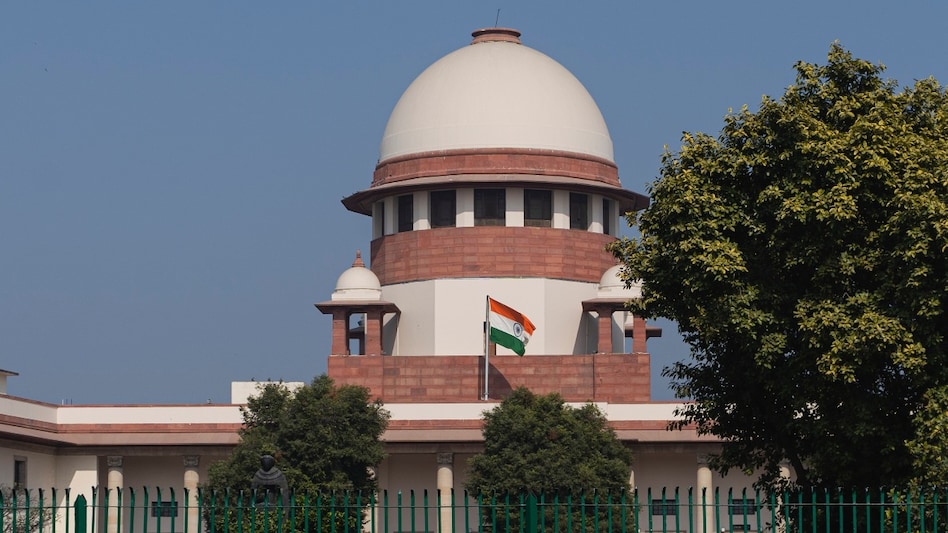
As West Bengal gears up for two-phase polling on April 23 and 29, the Supreme Court on Monday refused to grant interim relief to lakhs of voters whose names were struck off the electoral rolls during the ongoing Special Intensive Revision, citing concerns over overwhelming the appellate system just days before voting, according to a report by India Today.
Massive deletions, lakhs seek relief
The court was hearing petitions challenging the deletion of names from the voter list, with data showing that 90.66 lakh voters were removed during the revision exercise. As of April 11, a staggering 34,35,174 appeals had already been filed across the state against such deletions or rejections.
Petitioners argued that with polling imminent, affected voters risk being disenfranchised without timely remedies.
‘We cannot burden the system’: CJI
Responding to the pleas, the Chief Justice said, “We cannot create a situation where we burden the appellate tribunal judges. There is another plea with us today that stops the appeals.”
Senior advocate Kalyan Banerjee, appearing for the petitioners, underscored the urgency of the situation, stating, “People of Bengal are only looking towards this court 34 lakh persons are genuine voters people want to exercise their right to vote.”
He urged the bench to ensure maximum disposal of appeals before polling and proposed issuing a supplementary voter list so that affected individuals could vote.
Court clarifies: Restored names can vote
While declining immediate blanket relief, the bench clarified that those whose names are restored after adjudication would still be eligible to vote.
“Those names that were left out would be added to the list for the April 23 elections. Don’t worry — if their names are there, they will be voting,” the court said, referring to adjudications completed by judicial officers till April 9.
It added that any spillover in a few constituencies could be managed through additions to electoral rolls once decisions are finalised.
Balancing rights and verification
The bench emphasised the need to strike a balance between individual voting rights and the integrity of the verification process.
“We will try to create a via media between your right and the need for verification,” it observed.
Justice Joymalya Bagchi pointed out that the existing legal framework already allows corrections once appeals are decided, with electoral registration officers mandated to update the rolls accordingly.
Bench pushes back on Practical constraints
When petitioners argued that even adjudicating 16 lakh appeals before polling may not be feasible, the bench questioned the expectation from the court.
“If that’s the scenario then what should the court do?” the Chief Justice asked. He further remarked, “Those who have been allowed, should we even stay the names included,” highlighting concerns that continuous challenges could disrupt the electoral process.
EC cites legal limits, flags security concerns
The Election Commission told the court that the finalisation of electoral rolls for elections operates under a different legal framework than revision exercises, restricting last-minute alterations.
Separately, senior advocate V Giri called for heightened monitoring of vulnerable areas identified by the poll body to prevent any post-poll violence.
High-stakes balancing act
With polling dates drawing closer, the Supreme Court faces the challenge of navigating a complex electoral dispute, weighing the urgency of voting rights against procedural safeguards and administrative feasibility.
As West Bengal gears up for two-phase polling on April 23 and 29, the Supreme Court on Monday refused to grant interim relief to lakhs of voters whose names were struck off the electoral rolls during the ongoing Special Intensive Revision, citing concerns over overwhelming the appellate system just days before voting, according to a report by India Today.
Massive deletions, lakhs seek relief
The court was hearing petitions challenging the deletion of names from the voter list, with data showing that 90.66 lakh voters were removed during the revision exercise. As of April 11, a staggering 34,35,174 appeals had already been filed across the state against such deletions or rejections.
Petitioners argued that with polling imminent, affected voters risk being disenfranchised without timely remedies.
‘We cannot burden the system’: CJI
Responding to the pleas, the Chief Justice said, “We cannot create a situation where we burden the appellate tribunal judges. There is another plea with us today that stops the appeals.”
Senior advocate Kalyan Banerjee, appearing for the petitioners, underscored the urgency of the situation, stating, “People of Bengal are only looking towards this court 34 lakh persons are genuine voters people want to exercise their right to vote.”
He urged the bench to ensure maximum disposal of appeals before polling and proposed issuing a supplementary voter list so that affected individuals could vote.
Court clarifies: Restored names can vote
While declining immediate blanket relief, the bench clarified that those whose names are restored after adjudication would still be eligible to vote.
“Those names that were left out would be added to the list for the April 23 elections. Don’t worry — if their names are there, they will be voting,” the court said, referring to adjudications completed by judicial officers till April 9.
It added that any spillover in a few constituencies could be managed through additions to electoral rolls once decisions are finalised.
Balancing rights and verification
The bench emphasised the need to strike a balance between individual voting rights and the integrity of the verification process.
“We will try to create a via media between your right and the need for verification,” it observed.
Justice Joymalya Bagchi pointed out that the existing legal framework already allows corrections once appeals are decided, with electoral registration officers mandated to update the rolls accordingly.
Bench pushes back on Practical constraints
When petitioners argued that even adjudicating 16 lakh appeals before polling may not be feasible, the bench questioned the expectation from the court.
“If that’s the scenario then what should the court do?” the Chief Justice asked. He further remarked, “Those who have been allowed, should we even stay the names included,” highlighting concerns that continuous challenges could disrupt the electoral process.
EC cites legal limits, flags security concerns
The Election Commission told the court that the finalisation of electoral rolls for elections operates under a different legal framework than revision exercises, restricting last-minute alterations.
Separately, senior advocate V Giri called for heightened monitoring of vulnerable areas identified by the poll body to prevent any post-poll violence.
High-stakes balancing act
With polling dates drawing closer, the Supreme Court faces the challenge of navigating a complex electoral dispute, weighing the urgency of voting rights against procedural safeguards and administrative feasibility.