
Tatkal, bots & overcrowding: Why crores still can’t get confirmed train tickets in India
Passengers also complain about automated bots and ticket resellers gaming the system. The Railway Ministry revealed that Indian Railways blocked more than 60 billion suspicious bot requests between July and December 2025 alone.
- May 14, 2026,
- Updated May 14, 2026 2:20 PM IST
For millions of Indians, booking a train ticket has turned into a race against time, algorithms, and overwhelming demand. Whether it is festival travel, medical emergencies, student journeys, or migrant workers returning home, the waitlist has become the default experience rather than the exception.
New data obtained through RTI requests has now revealed the scale of the crisis: more than 3.39 crore passengers were unable to travel in FY 2025-26 because their waitlisted tickets never got confirmed and were automatically cancelled before departure.
The numbers point to a deeper structural problem in India’s railway system — one where demand for affordable mobility is far outpacing available seats.
More than one passenger every second lost a journey
According to the RTI data cited in reports, nearly 92,877 passengers every day failed to secure confirmed berths in 2025-26. That translates to around 64 passengers every minute losing travel opportunities.
The trend has steadily worsened over the past five years:
- 2021-22: 1.65 crore passengers affected
- 2022-23: 2.72 crore
- 2023-24: 2.96 crore
- 2024-25: 3.27 crore
- 2025-26: 3.39 crore
The biggest burden fell on Sleeper Class passengers, followed by 3AC travelers, highlighting how middle- and lower-income commuters are bearing the brunt of the shortage.
Why the waitlist problem has exploded
1. Demand Is Growing Faster Than Capacity: India’s railway network carries millions daily, but berth expansion has not kept pace with rising travel demand. High-density routes between metros and smaller cities routinely see tickets vanish within minutes of booking windows opening.
Many travelers now report that even advance reservations open directly into waitlist status. Online discussions among passengers describe advance booking as “feeling like Tatkal,” with entire weeks already waitlisted on the first day reservations opened.
2. Tatkal Has Become a High-Stress Lottery: Tatkal was originally designed for emergency travel. Today, many passengers treat it as the only realistic way to secure tickets. But the system itself faces severe strain. Reports have documented IRCTC crashes, payment failures, buffering errors, and instant waitlisting during peak booking windows.
Passengers also complain about automated bots and ticket resellers gaming the system. The Railway Ministry revealed that Indian Railways blocked more than 60 billion suspicious bot requests between July and December 2025 alone.
Some travelers have described standing for hours at booking counters only to lose tickets to resellers allegedly occupying queue positions overnight.
Hidden cost of waitlisted travel
A waitlisted ticket is not just an inconvenience.
For many travelers, it can mean:
- Missing exams
- Losing wages
- Delayed medical treatment
- Missing weddings or funerals
The emotional stress is compounded by uncertainty. Many passengers continue refreshing PNR status until the final chart preparation, hoping for cancellations.
Tatkal waitlist categories such as TQWL are especially notorious for low confirmation chances.
Why overcrowding keeps happening
One major criticism of the railway system has been the mismatch between confirmed capacity and the number of people boarding trains.
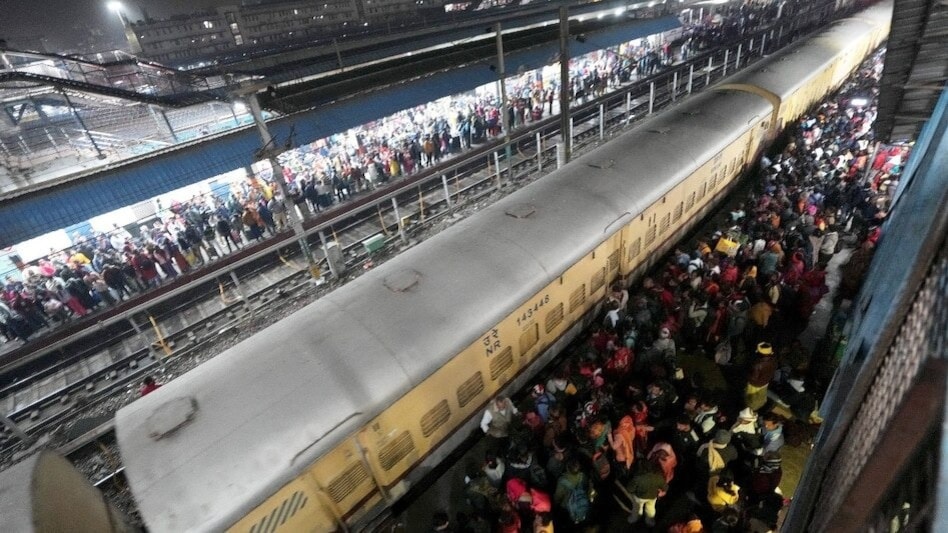
Passengers with waitlisted tickets often still enter reserved coaches, especially during festivals or on long-distance routes. This creates severe overcrowding in Sleeper and AC compartments.
Some travelers have alleged that loopholes involving mixed PNR confirmations allow multiple waitlisted passengers to travel against a single confirmed berth.
The issue has become so serious that Indian Railways moved to cap waitlisted tickets at 25% of berth capacity in many classes to reduce chaos and overcrowding.
Railways’ response: Tightening rules & anti-bot measures
Indian Railways has started implementing several reforms aimed at reducing misuse and improving fairness in bookings.
These include:
- Aadhaar-based OTP verification for Tatkal bookings
- Restrictions on booking agents during peak windows
- AI and anti-bot filtering systems
- Caps on waitlist size
- Stricter cancellation and refund rules
There are also experiments with premium trains having no waitlist at all. Discussions around the upcoming sleeper version of the Vande Bharat Express suggest that only confirmed berths may be issued on some services.
The rail waitlist problem is no longer just about booking glitches or Tatkal frustration. It reflects a wider infrastructure challenge in a country where trains remain the most affordable long-distance transport option for crores of people.
For millions of Indians, booking a train ticket has turned into a race against time, algorithms, and overwhelming demand. Whether it is festival travel, medical emergencies, student journeys, or migrant workers returning home, the waitlist has become the default experience rather than the exception.
New data obtained through RTI requests has now revealed the scale of the crisis: more than 3.39 crore passengers were unable to travel in FY 2025-26 because their waitlisted tickets never got confirmed and were automatically cancelled before departure.
The numbers point to a deeper structural problem in India’s railway system — one where demand for affordable mobility is far outpacing available seats.
More than one passenger every second lost a journey
According to the RTI data cited in reports, nearly 92,877 passengers every day failed to secure confirmed berths in 2025-26. That translates to around 64 passengers every minute losing travel opportunities.
The trend has steadily worsened over the past five years:
- 2021-22: 1.65 crore passengers affected
- 2022-23: 2.72 crore
- 2023-24: 2.96 crore
- 2024-25: 3.27 crore
- 2025-26: 3.39 crore
The biggest burden fell on Sleeper Class passengers, followed by 3AC travelers, highlighting how middle- and lower-income commuters are bearing the brunt of the shortage.
Why the waitlist problem has exploded
1. Demand Is Growing Faster Than Capacity: India’s railway network carries millions daily, but berth expansion has not kept pace with rising travel demand. High-density routes between metros and smaller cities routinely see tickets vanish within minutes of booking windows opening.
Many travelers now report that even advance reservations open directly into waitlist status. Online discussions among passengers describe advance booking as “feeling like Tatkal,” with entire weeks already waitlisted on the first day reservations opened.
2. Tatkal Has Become a High-Stress Lottery: Tatkal was originally designed for emergency travel. Today, many passengers treat it as the only realistic way to secure tickets. But the system itself faces severe strain. Reports have documented IRCTC crashes, payment failures, buffering errors, and instant waitlisting during peak booking windows.
Passengers also complain about automated bots and ticket resellers gaming the system. The Railway Ministry revealed that Indian Railways blocked more than 60 billion suspicious bot requests between July and December 2025 alone.
Some travelers have described standing for hours at booking counters only to lose tickets to resellers allegedly occupying queue positions overnight.
Hidden cost of waitlisted travel
A waitlisted ticket is not just an inconvenience.
For many travelers, it can mean:
- Missing exams
- Losing wages
- Delayed medical treatment
- Missing weddings or funerals
The emotional stress is compounded by uncertainty. Many passengers continue refreshing PNR status until the final chart preparation, hoping for cancellations.
Tatkal waitlist categories such as TQWL are especially notorious for low confirmation chances.
Why overcrowding keeps happening
One major criticism of the railway system has been the mismatch between confirmed capacity and the number of people boarding trains.
Passengers with waitlisted tickets often still enter reserved coaches, especially during festivals or on long-distance routes. This creates severe overcrowding in Sleeper and AC compartments.
Some travelers have alleged that loopholes involving mixed PNR confirmations allow multiple waitlisted passengers to travel against a single confirmed berth.
The issue has become so serious that Indian Railways moved to cap waitlisted tickets at 25% of berth capacity in many classes to reduce chaos and overcrowding.
Railways’ response: Tightening rules & anti-bot measures
Indian Railways has started implementing several reforms aimed at reducing misuse and improving fairness in bookings.
These include:
- Aadhaar-based OTP verification for Tatkal bookings
- Restrictions on booking agents during peak windows
- AI and anti-bot filtering systems
- Caps on waitlist size
- Stricter cancellation and refund rules
There are also experiments with premium trains having no waitlist at all. Discussions around the upcoming sleeper version of the Vande Bharat Express suggest that only confirmed berths may be issued on some services.
The rail waitlist problem is no longer just about booking glitches or Tatkal frustration. It reflects a wider infrastructure challenge in a country where trains remain the most affordable long-distance transport option for crores of people.