
'Teaches supremacy of Islam': Govt's child rights body sends scathing indictment of madrasas to SC
India’s child rights body, the National Commission for Protection of Child Rights (NCPCR), has informed the Supreme Court that the education provided in madrasas is inadequate and does not meet the standards set by the Right to Education (RTE) Act.
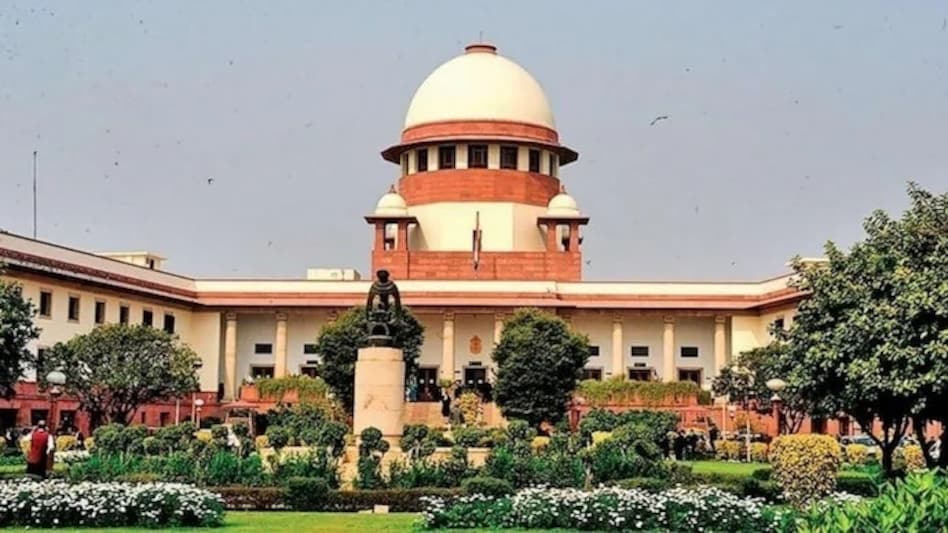
- Sep 11, 2024,
- Updated Sep 11, 2024 8:42 PM IST
India’s child rights body, the National Commission for Protection of Child Rights (NCPCR), has informed the Supreme Court that the education provided in madrasas is inadequate and does not meet the standards set by the Right to Education (RTE) Act.
The NCPCR, in its submission to the apex court, has further claimed that some madrasa textbooks promote the "supremacy of Islam" and that the Taliban’s ideologies have been shaped by the teachings of the Darul Uloom Deoband Madrasa in Uttar Pradesh.
The NCPCR’s statements were part of a submission to the Supreme Court in response to appeals challenging an Allahabad High Court ruling. The High Court had previously declared the Uttar Pradesh Board of Madarsa Education Act, 2004 unconstitutional, arguing that it violated secular principles and fundamental rights under Article 14 of the Indian Constitution. However, the Supreme Court, led by Chief Justice D.Y. Chandrachud, stayed the High Court's ruling on April 5.
In its submission, the NCPCR strongly criticized madrasas as “unsuitable” for providing comprehensive education. It argued that these institutions fail to follow the curriculum and evaluation processes outlined in the RTE Act, resulting in an inadequate and arbitrary educational framework. “Madrasas not only offer an unsatisfactory model for education, but they also operate in violation of constitutional mandates," the commission stated.
Although madrasas are exempt from the provisions of the RTE Act, the NCPCR pointed out that children studying in these institutions are still entitled to the right to education under Article 21A of the Constitution. The commission emphasized that this right has never been waived in any judicial decision or constitutional interpretation, adding that depriving children in madrasas of formal education undermines their fundamental right to equality before the law.
The NCPCR described the Uttar Pradesh Madarsa Education Act as a "depriving tool," arguing that it strips children in minority institutions of their right to elementary education and related entitlements like midday meals, uniforms, and trained teachers. Because madrasas are exempt from the RTE Act, children studying there miss out on both formal schooling and the benefits guaranteed under the law, the commission explained.
The NCPCR further criticized the integration of a few NCERT textbooks into madrasa curriculums, calling it a "guise" that does not ensure children receive a formal or quality education.
India’s child rights body, the National Commission for Protection of Child Rights (NCPCR), has informed the Supreme Court that the education provided in madrasas is inadequate and does not meet the standards set by the Right to Education (RTE) Act.
The NCPCR, in its submission to the apex court, has further claimed that some madrasa textbooks promote the "supremacy of Islam" and that the Taliban’s ideologies have been shaped by the teachings of the Darul Uloom Deoband Madrasa in Uttar Pradesh.
The NCPCR’s statements were part of a submission to the Supreme Court in response to appeals challenging an Allahabad High Court ruling. The High Court had previously declared the Uttar Pradesh Board of Madarsa Education Act, 2004 unconstitutional, arguing that it violated secular principles and fundamental rights under Article 14 of the Indian Constitution. However, the Supreme Court, led by Chief Justice D.Y. Chandrachud, stayed the High Court's ruling on April 5.
In its submission, the NCPCR strongly criticized madrasas as “unsuitable” for providing comprehensive education. It argued that these institutions fail to follow the curriculum and evaluation processes outlined in the RTE Act, resulting in an inadequate and arbitrary educational framework. “Madrasas not only offer an unsatisfactory model for education, but they also operate in violation of constitutional mandates," the commission stated.
Although madrasas are exempt from the provisions of the RTE Act, the NCPCR pointed out that children studying in these institutions are still entitled to the right to education under Article 21A of the Constitution. The commission emphasized that this right has never been waived in any judicial decision or constitutional interpretation, adding that depriving children in madrasas of formal education undermines their fundamental right to equality before the law.
The NCPCR described the Uttar Pradesh Madarsa Education Act as a "depriving tool," arguing that it strips children in minority institutions of their right to elementary education and related entitlements like midday meals, uniforms, and trained teachers. Because madrasas are exempt from the RTE Act, children studying there miss out on both formal schooling and the benefits guaranteed under the law, the commission explained.
The NCPCR further criticized the integration of a few NCERT textbooks into madrasa curriculums, calling it a "guise" that does not ensure children receive a formal or quality education.