
Thanks to Russia, US, Australia: India raises gas supply to fertilizer plants to 90% of demand
India had initially restricted the gas supply to these plants to just 60% of their requirement, but later scaled this up to 75-80% using alternative arrangements.
- Apr 6, 2026,
- Updated Apr 6, 2026 8:38 PM IST
India has increased the natural gas supply to its fertilizer plants to 90% of their required amount, following a series of steps to address disruptions caused by the ongoing conflict in West Asia. The country had initially restricted the gas supply to these plants to just 60% of their requirement but later scaled this up to 75-80% using alternative arrangements.
Must Read: Israel strikes Iran's largest natural gas field; What it means for the region
Sujata Sharma, Joint Secretary in the Ministry of Petroleum and Natural Gas, confirmed the increase during a press briefing on Monday. "We have now raised the gas supply to 90% of the six-month average consumption from April 6, thanks to procurement from the spot market," Sharma said.
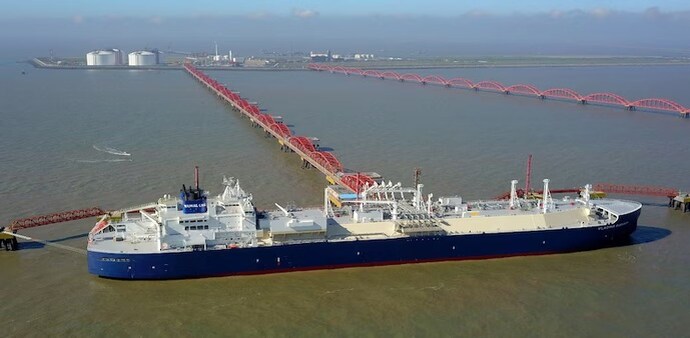
The rise in supply comes as the war in West Asia continues to disrupt energy flows, particularly affecting liquefied natural gas (LNG) imports from Qatar. In response, Indian oil companies have sourced LNG from alternate suppliers, including the United States, Australia, and Russia, to maintain the country's energy needs.
Must Read: Chernobyl in Gulf region? Why strikes near Iran’s key nuclear site alarm the IAEA
In addition to fertilizer plants, the government has also raised gas supply quotas for other sectors. "Gas supply to industrial and commercial sectors, including city gas distribution networks, will be increased by an additional 10% from today," Sharma added.
Priority sectors, including domestic piped cooking gas and compressed natural gas (CNG) for transport, continue to receive 100% supply. Furthermore, the government has increased the allocation of commercial LPG for states to about 70% of pre-crisis levels, with 79,909 tonnes sold since March 14, 2026.
For consumers, the government has implemented several measures to ease the supply chain. LPG users are advised to opt for digital booking to avoid unnecessary visits to distributors. Additionally, the sale of 5-kg free trade LPG (FTL) cylinders has been made available at market prices across LPG distributors. As of March 23, around 6.75 lakh FTL cylinders have been sold.
The government has also ramped up its refinery output and implemented supply rationalization measures. This includes extending the LPG refill booking interval to 25 days in urban areas and up to 45 days in rural regions. In response to rising demand, the government is promoting alternative cooking fuels such as kerosene, coal, PNG, and electric solutions.
The Ministry of Petroleum and Natural Gas has urged citizens to avoid panic purchases of LPG, petrol, or diesel, emphasizing that they should rely on official sources for information. Essential services, including hospitals and educational institutions, continue to receive prioritized LPG and PNG supplies.
India has increased the natural gas supply to its fertilizer plants to 90% of their required amount, following a series of steps to address disruptions caused by the ongoing conflict in West Asia. The country had initially restricted the gas supply to these plants to just 60% of their requirement but later scaled this up to 75-80% using alternative arrangements.
Must Read: Israel strikes Iran's largest natural gas field; What it means for the region
Sujata Sharma, Joint Secretary in the Ministry of Petroleum and Natural Gas, confirmed the increase during a press briefing on Monday. "We have now raised the gas supply to 90% of the six-month average consumption from April 6, thanks to procurement from the spot market," Sharma said.
The rise in supply comes as the war in West Asia continues to disrupt energy flows, particularly affecting liquefied natural gas (LNG) imports from Qatar. In response, Indian oil companies have sourced LNG from alternate suppliers, including the United States, Australia, and Russia, to maintain the country's energy needs.
Must Read: Chernobyl in Gulf region? Why strikes near Iran’s key nuclear site alarm the IAEA
In addition to fertilizer plants, the government has also raised gas supply quotas for other sectors. "Gas supply to industrial and commercial sectors, including city gas distribution networks, will be increased by an additional 10% from today," Sharma added.
Priority sectors, including domestic piped cooking gas and compressed natural gas (CNG) for transport, continue to receive 100% supply. Furthermore, the government has increased the allocation of commercial LPG for states to about 70% of pre-crisis levels, with 79,909 tonnes sold since March 14, 2026.
For consumers, the government has implemented several measures to ease the supply chain. LPG users are advised to opt for digital booking to avoid unnecessary visits to distributors. Additionally, the sale of 5-kg free trade LPG (FTL) cylinders has been made available at market prices across LPG distributors. As of March 23, around 6.75 lakh FTL cylinders have been sold.
The government has also ramped up its refinery output and implemented supply rationalization measures. This includes extending the LPG refill booking interval to 25 days in urban areas and up to 45 days in rural regions. In response to rising demand, the government is promoting alternative cooking fuels such as kerosene, coal, PNG, and electric solutions.
The Ministry of Petroleum and Natural Gas has urged citizens to avoid panic purchases of LPG, petrol, or diesel, emphasizing that they should rely on official sources for information. Essential services, including hospitals and educational institutions, continue to receive prioritized LPG and PNG supplies.