
'This is why nobody takes us seriously': Anger erupts as India restarts border ceremony with Pakistan
The move, which comes just weeks after the deadly Pahalgam terror attack, has triggered sharp criticism from former diplomats, military veterans, and public figures who see it as a misstep in both optics and messaging.
- May 20, 2025,
- Updated May 20, 2025 5:25 PM IST
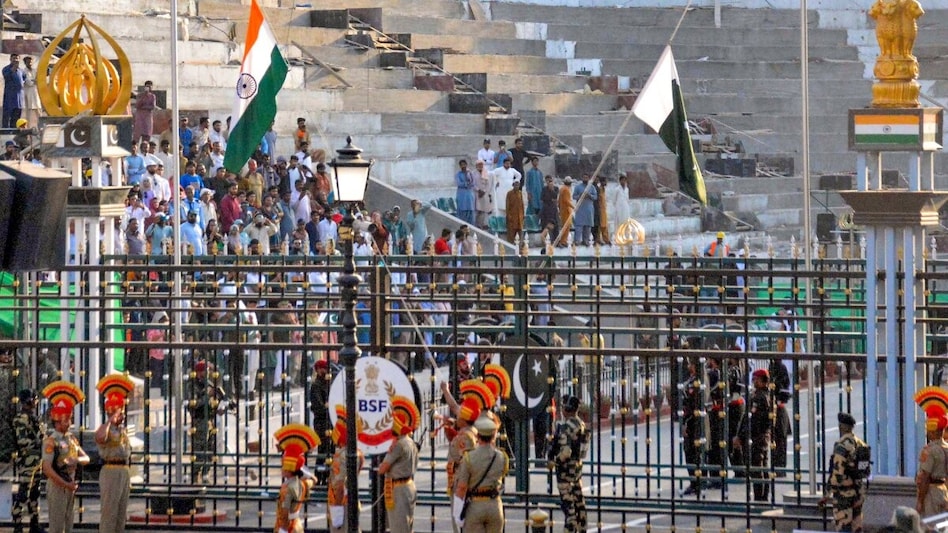
Anger is growing among Indians over the decision to resume the Beating Retreat ceremony at the Attari-Wagah border, even as military tensions with Pakistan remain high and Operation Sindoor continues. The move, which comes just weeks after the deadly Pahalgam terror attack, has triggered sharp criticism from former diplomats, military veterans, and public figures who see it as a misstep in both optics and messaging.
Author Rahul Pandita summed up the public sentiment with a blunt question: "I don’t understand this strange compulsion. Is there a commercial angle beyond potato wafers and cheap souvenirs? This is why nobody takes us seriously. What kind of Gola is this?"
Former foreign secretary Kanwal Sibal echoed the frustration. "We have held the IWT in abeyance, annulled key Pakistani military posts in their High Commission in India, closed Wagah border for trade, cancelled visas of Pakistanis visiting India, bombed Pakistani terror hubs and air bases, but after punishing steps and real battles, we want to continue mock battles and mock defiance with Pakistan at the border. What for?"
The ceremony, a daily display of coordinated military drill between India's BSF and Pakistan Rangers, had been suspended following the Pahalgam terror attack on April 22 that killed 26 civilians, mostly tourists. Though resumed now, it comes with altered protocols: the border gates will remain closed and there will be no handshake between the two sides. Audiences are still allowed to watch the ceremony from the Indian side under tightened security.
Former Lieutenant General KJS Dhillon called the decision inappropriate at a time of active military operations. "Since 'Operation Sindoor' is still ongoing, there is no place for this. These are peacetime ceremonies, not for in the middle of the conflict. Hope someone is listening?" he posted on X.
Former Air Marshal Sanjeev Kapoor raised similar concerns, noting, "Beating Retreat Ceremony along Pakistan border held by BSF at Amritsar, Ferozepur & Fasilka to resume from today. Official reason, for benefit of tourists...Timing, optics & messaging, not a good decision. With forces still deployed, it is not normalcy."
Former Infosys CFO Mohandas Pai went a step further, urging the government to abolish the ceremony entirely. “PM Narendra Modi Sir pl have this abolished. why are we giving a terrorist nation so much Bhav! Rajnath Singh, we must reduce and downgrade all interactions with this terrorist state,” Pai wrote on X.
The ceremony, which has taken place since 1959, is meant to be symbolic, but critics argue that it has outlived its relevance in the current context of cross-border terror and heightened military action.
Anger is growing among Indians over the decision to resume the Beating Retreat ceremony at the Attari-Wagah border, even as military tensions with Pakistan remain high and Operation Sindoor continues. The move, which comes just weeks after the deadly Pahalgam terror attack, has triggered sharp criticism from former diplomats, military veterans, and public figures who see it as a misstep in both optics and messaging.
Author Rahul Pandita summed up the public sentiment with a blunt question: "I don’t understand this strange compulsion. Is there a commercial angle beyond potato wafers and cheap souvenirs? This is why nobody takes us seriously. What kind of Gola is this?"
Former foreign secretary Kanwal Sibal echoed the frustration. "We have held the IWT in abeyance, annulled key Pakistani military posts in their High Commission in India, closed Wagah border for trade, cancelled visas of Pakistanis visiting India, bombed Pakistani terror hubs and air bases, but after punishing steps and real battles, we want to continue mock battles and mock defiance with Pakistan at the border. What for?"
The ceremony, a daily display of coordinated military drill between India's BSF and Pakistan Rangers, had been suspended following the Pahalgam terror attack on April 22 that killed 26 civilians, mostly tourists. Though resumed now, it comes with altered protocols: the border gates will remain closed and there will be no handshake between the two sides. Audiences are still allowed to watch the ceremony from the Indian side under tightened security.
Former Lieutenant General KJS Dhillon called the decision inappropriate at a time of active military operations. "Since 'Operation Sindoor' is still ongoing, there is no place for this. These are peacetime ceremonies, not for in the middle of the conflict. Hope someone is listening?" he posted on X.
Former Air Marshal Sanjeev Kapoor raised similar concerns, noting, "Beating Retreat Ceremony along Pakistan border held by BSF at Amritsar, Ferozepur & Fasilka to resume from today. Official reason, for benefit of tourists...Timing, optics & messaging, not a good decision. With forces still deployed, it is not normalcy."
Former Infosys CFO Mohandas Pai went a step further, urging the government to abolish the ceremony entirely. “PM Narendra Modi Sir pl have this abolished. why are we giving a terrorist nation so much Bhav! Rajnath Singh, we must reduce and downgrade all interactions with this terrorist state,” Pai wrote on X.
The ceremony, which has taken place since 1959, is meant to be symbolic, but critics argue that it has outlived its relevance in the current context of cross-border terror and heightened military action.