
TISS professor's big claim: 'Illegal migrants impacting politics in Mumbai'
The TISS report pointed out that 12 Assembly constituencies in Mumbai now have a majority migrant population, which has influenced voting trends and given rise to what it termed "shelter politics."
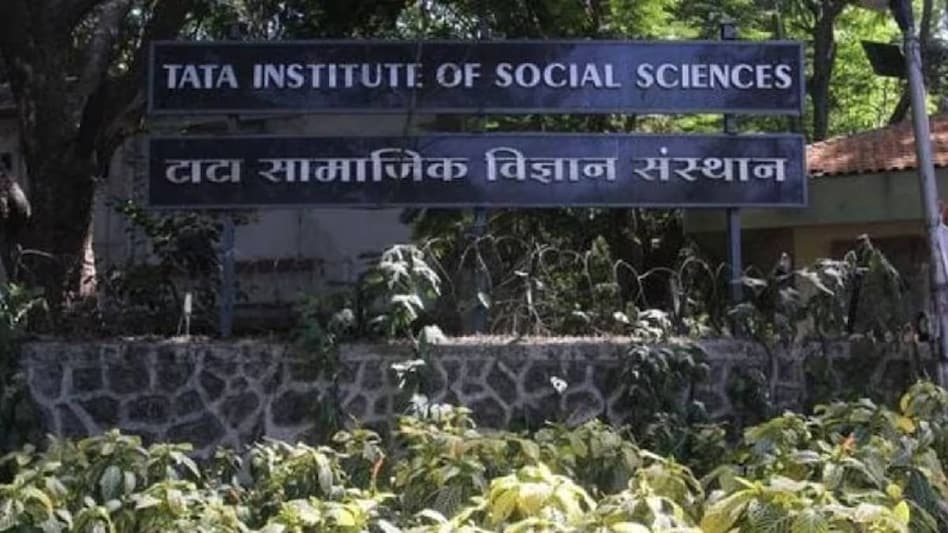
- Nov 13, 2024,
- Updated Nov 13, 2024 8:12 PM IST
Mumbai's electoral politics is being significantly impacted by the influx of illegal migrants from Bangladesh, Myanmar (Rohingyas), and Pakistan, according to Shouvik Mondal, an assistant professor at the Tata Institute of Social Sciences (TISS).
Mondal made these remarks on Monday during the presentation of an interim report titled "Illegal Migration to Mumbai: Analysing Social, Economic, and Political Consequences" at a national seminar hosted by Jawaharlal Nehru University (JNU) in New Delhi.
Sanjeev Sanyal, a member of the Economic Advisory Council to the prime minister, was the chief guest at the event, along with JNU Vice Chancellor Santishree Dhulipudi Pandit. Discussions at the seminar underscored the growing social and political consequences of illegal migration in Mumbai.
Mondal, who co-led the study with TISS Pro-Vice Chancellor Shankar Das, explained that the report's findings were based on qualitative data collected from 3,000 respondents. He highlighted that since 1965, there has been a significant increase in the number of illegal migrants in Mumbai, especially among Muslims from Bangladesh and Myanmar.
The report pointed out that 12 Assembly constituencies in Mumbai now have a majority migrant population, which has influenced voting trends and given rise to what it termed "shelter politics."
Supporting the report's findings, Mondal cited Census data that showed the Hindu population in Mumbai declining from 88 per cent in 1965 to 66 per cent in 2011, while the Muslim population rose from 8 percent to 21 per cent during the same period.
The study projected that by 2051, the Muslim population in Mumbai could reach 30 per cent, while the Hindu population might drop to 50 per cent. "Illegal cross-border migration is reshaping Mumbai's social and political landscape by putting pressure on local resources and altering the voter dynamics," Mondal stated.
TISS Pro-Vice Chancellor Shankar Das stressed the far-reaching effects of illegal migration on the economy, security, and culture. He criticised NGOs and religious organisations for "aiding" these immigrants, pointing to their role in exacerbating the problem.
Sanjeev Sanyal noted that the issue of illegal migration is not confined to India but is a global challenge, drawing parallels with political debates in the US and Europe, where immigration affects demographic shifts and national futures.
JNU Vice Chancellor Santishree Pandit encouraged students to read BR Ambedkar's "Pakistan or the Partition of India" for insights into the dangers of unchecked migration. She advocated for a structured migration policy to ensure communal harmony, citing Ambedkar’s recommendation for transferring minorities to mitigate long-term religious and ethnic tensions.
(With inputs from PTI)
Mumbai's electoral politics is being significantly impacted by the influx of illegal migrants from Bangladesh, Myanmar (Rohingyas), and Pakistan, according to Shouvik Mondal, an assistant professor at the Tata Institute of Social Sciences (TISS).
Mondal made these remarks on Monday during the presentation of an interim report titled "Illegal Migration to Mumbai: Analysing Social, Economic, and Political Consequences" at a national seminar hosted by Jawaharlal Nehru University (JNU) in New Delhi.
Sanjeev Sanyal, a member of the Economic Advisory Council to the prime minister, was the chief guest at the event, along with JNU Vice Chancellor Santishree Dhulipudi Pandit. Discussions at the seminar underscored the growing social and political consequences of illegal migration in Mumbai.
Mondal, who co-led the study with TISS Pro-Vice Chancellor Shankar Das, explained that the report's findings were based on qualitative data collected from 3,000 respondents. He highlighted that since 1965, there has been a significant increase in the number of illegal migrants in Mumbai, especially among Muslims from Bangladesh and Myanmar.
The report pointed out that 12 Assembly constituencies in Mumbai now have a majority migrant population, which has influenced voting trends and given rise to what it termed "shelter politics."
Supporting the report's findings, Mondal cited Census data that showed the Hindu population in Mumbai declining from 88 per cent in 1965 to 66 per cent in 2011, while the Muslim population rose from 8 percent to 21 per cent during the same period.
The study projected that by 2051, the Muslim population in Mumbai could reach 30 per cent, while the Hindu population might drop to 50 per cent. "Illegal cross-border migration is reshaping Mumbai's social and political landscape by putting pressure on local resources and altering the voter dynamics," Mondal stated.
TISS Pro-Vice Chancellor Shankar Das stressed the far-reaching effects of illegal migration on the economy, security, and culture. He criticised NGOs and religious organisations for "aiding" these immigrants, pointing to their role in exacerbating the problem.
Sanjeev Sanyal noted that the issue of illegal migration is not confined to India but is a global challenge, drawing parallels with political debates in the US and Europe, where immigration affects demographic shifts and national futures.
JNU Vice Chancellor Santishree Pandit encouraged students to read BR Ambedkar's "Pakistan or the Partition of India" for insights into the dangers of unchecked migration. She advocated for a structured migration policy to ensure communal harmony, citing Ambedkar’s recommendation for transferring minorities to mitigate long-term religious and ethnic tensions.
(With inputs from PTI)