
'Two significant developments...': Brahma Chellaney warns of changed context as Modi heads to SCO in China
According to the Ministry of External Affairs, Modi will first travel to Tokyo from August 29-30 for the 15th India-Japan Annual Summit with Japanese Prime Minister Shigeru Ishiba, before heading to Tianjin from August 31-September 1 to join leaders from over 20 countries at the SCO Summit.
- Aug 22, 2025,
- Updated Aug 22, 2025 10:31 PM IST
Strategic affairs analyst Brahma Chellaney has cautioned that Prime Minister Narendra Modi’s decision to attend the Shanghai Cooperation Organisation (SCO) Summit in China comes at a time of heightened strategic challenges in India-China relations.
In a post on X, Chellaney noted that India had, over the past two years, signaled a reduced emphasis on the SCO, with Modi skipping the 2023 summit in Astana and opting to host the 2024 edition online despite India holding the chair. “It’s good that Modi is balancing his upcoming China visit for the SCO summit by first traveling to Japan,” he wrote, but added that the context of this year’s participation was “very different.”
Chellaney pointed to two developments shaping the backdrop: China’s role as an “invisible third party” in the May 7–10 India-Pakistan conflict by providing Islamabad with real-time intelligence and satellite inputs, and Beijing’s confirmation last month of building the world’s largest dam near the Indian border, raising ecological and national security concerns.
According to the Ministry of External Affairs, Modi will first travel to Tokyo from August 29-30 for the 15th India-Japan Annual Summit with Japanese Prime Minister Shigeru Ishiba, before heading to Tianjin from August 31-September 1 to join leaders from over 20 countries at the SCO Summit.
On the sidelines of the summit, PM Modi is also expected to hold bilateral meetings with several world leaders.
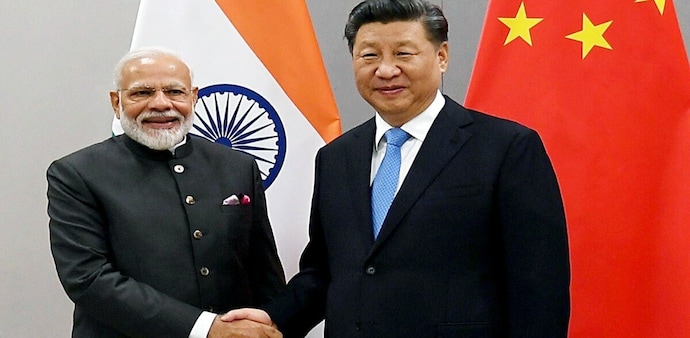
This will be Modi’s first visit to China since 2018, when he met Xi Jinping for two informal summits — first in Wuhan in April, followed by the SCO Summit in Qingdao in June. Xi later visited India in 2019 for a second informal summit, aimed at stabilizing ties after the 2017 Doklam standoff.
Strategic affairs analyst Brahma Chellaney has cautioned that Prime Minister Narendra Modi’s decision to attend the Shanghai Cooperation Organisation (SCO) Summit in China comes at a time of heightened strategic challenges in India-China relations.
In a post on X, Chellaney noted that India had, over the past two years, signaled a reduced emphasis on the SCO, with Modi skipping the 2023 summit in Astana and opting to host the 2024 edition online despite India holding the chair. “It’s good that Modi is balancing his upcoming China visit for the SCO summit by first traveling to Japan,” he wrote, but added that the context of this year’s participation was “very different.”
Chellaney pointed to two developments shaping the backdrop: China’s role as an “invisible third party” in the May 7–10 India-Pakistan conflict by providing Islamabad with real-time intelligence and satellite inputs, and Beijing’s confirmation last month of building the world’s largest dam near the Indian border, raising ecological and national security concerns.
According to the Ministry of External Affairs, Modi will first travel to Tokyo from August 29-30 for the 15th India-Japan Annual Summit with Japanese Prime Minister Shigeru Ishiba, before heading to Tianjin from August 31-September 1 to join leaders from over 20 countries at the SCO Summit.
On the sidelines of the summit, PM Modi is also expected to hold bilateral meetings with several world leaders.
This will be Modi’s first visit to China since 2018, when he met Xi Jinping for two informal summits — first in Wuhan in April, followed by the SCO Summit in Qingdao in June. Xi later visited India in 2019 for a second informal summit, aimed at stabilizing ties after the 2017 Doklam standoff.