
'US not a reliable partner': Brahma Chellaney says real outcome of Op Sindoor is a wakeup call for India
Chellaney said Operation Sindoor demonstrated India's ability to impose military costs on Pakistan without escalating to full-scale war.
- May 28, 2025,
- Updated May 28, 2025 9:07 PM IST
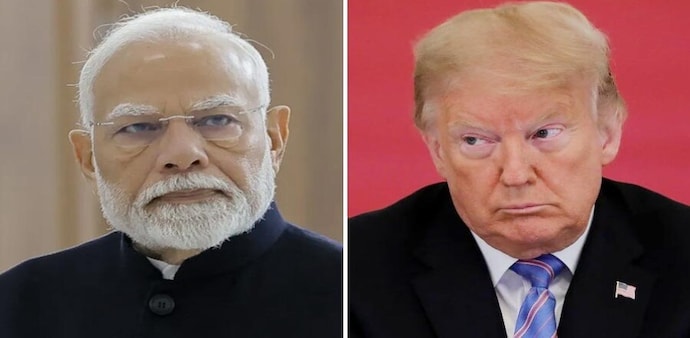
The real outcome of Operation Sindoor is a "wakeup call" for India regarding its ties with the United States, Brahma Chellaney, strategic affairs expert, said on Tuesday. "Two successive US administrations, first Biden and now Trump have sent a wakeup call to India that the US is not a reliable strategic partner of India," Chellaney said during a discussion on Indian Today TV.
Chellaney noted that the Biden administration initiated bailout packages for Pakistan through the International Monetary Fund, upgraded Pakistan's F-16 fleet, and played a lead role in helping Islamabad exit the Financial Action Task Force (FATF) grey list. "And now Trump has opened India's eyes. He has equated the terror-sponsoring state with the victim India. He has amplified the international focus on the Kashmir issue," Chellaney added.
He said Trump did not mention the issue of cross-border terrorism. "Notably, Trump has remained silent on the root cause of the crisis, cross-border terrorism. He hasn't uttered a single word on that root cause of the crisis," the noted expert said. He further stated that this aligns with Pakistan's tactic of presenting the Kashmir issue as the core dispute to justify its actions.
Chellaney said Operation Sindoor demonstrated India's ability to impose military costs on Pakistan without escalating to full-scale war. "Indian strikes achieved the objective of imposing costs without triggering an all-out war. India effectively pierced the perceived immunity conferred by Pakistan's nuclear deterrent," he said. According to Chellaney, Indian air strikes during the three-day conflict crippled major Pakistani air bases including Nur Khan and Bholari without suffering confirmed retaliatory damage. He also said the conflict exposed vulnerabilities in Chinese-origin weapon platforms used by Pakistan.
However, Chellaney said India did not succeed in influencing the global discourse on the core issue of cross-border terrorism. "India won the battle but lost the narrative," he said. "India failed to translate its short-term victory into achieving the larger goal of advancing the overall struggle against a rogue neighbor that exports terrorism."
He cited two reasons for this. "One reason is that successive Indian governments have focused narrowly on shaping the domestic narrative, thereby ceding the international narrative by default. Operation Sindoor is merely the latest example," he said. Chellaney also said India's response was slow, which allowed others to shape the global narrative. "Sending delegations of MPs abroad was the equivalent of seeking to close the stable door after the horse had bolted."
Vivek Katju, former ambassador, however, said it is not easy for governments to respond immediately to remarks made by leaders like Donald Trump. "If Trump says something, you can't come back with a snappy one-liner immediately. You've got to think it carefully," Katju said.
He added that narrative-building is transient, has limited impact, and stressed the need to shift strategic thinking in Western capitals. "The real thing we've got to do is to change the strategic thinking in the strategic community of the West and other parts of the globe on escalation,” he said.
Katju also commented on the diplomatic visits of Pakistan Prime Minister Shehbaz Sharif to Turkey, Iran, Azerbaijan, and Tajikistan. "The Turks don't matter. Quite frankly, Iran doesn't matter in this. Azerbaijan and Tajikistan...they really don't matter,” he said. He said it would be more effective if Western powers directly engaged China to restrain its allies.
The real outcome of Operation Sindoor is a "wakeup call" for India regarding its ties with the United States, Brahma Chellaney, strategic affairs expert, said on Tuesday. "Two successive US administrations, first Biden and now Trump have sent a wakeup call to India that the US is not a reliable strategic partner of India," Chellaney said during a discussion on Indian Today TV.
Chellaney noted that the Biden administration initiated bailout packages for Pakistan through the International Monetary Fund, upgraded Pakistan's F-16 fleet, and played a lead role in helping Islamabad exit the Financial Action Task Force (FATF) grey list. "And now Trump has opened India's eyes. He has equated the terror-sponsoring state with the victim India. He has amplified the international focus on the Kashmir issue," Chellaney added.
He said Trump did not mention the issue of cross-border terrorism. "Notably, Trump has remained silent on the root cause of the crisis, cross-border terrorism. He hasn't uttered a single word on that root cause of the crisis," the noted expert said. He further stated that this aligns with Pakistan's tactic of presenting the Kashmir issue as the core dispute to justify its actions.
Chellaney said Operation Sindoor demonstrated India's ability to impose military costs on Pakistan without escalating to full-scale war. "Indian strikes achieved the objective of imposing costs without triggering an all-out war. India effectively pierced the perceived immunity conferred by Pakistan's nuclear deterrent," he said. According to Chellaney, Indian air strikes during the three-day conflict crippled major Pakistani air bases including Nur Khan and Bholari without suffering confirmed retaliatory damage. He also said the conflict exposed vulnerabilities in Chinese-origin weapon platforms used by Pakistan.
However, Chellaney said India did not succeed in influencing the global discourse on the core issue of cross-border terrorism. "India won the battle but lost the narrative," he said. "India failed to translate its short-term victory into achieving the larger goal of advancing the overall struggle against a rogue neighbor that exports terrorism."
He cited two reasons for this. "One reason is that successive Indian governments have focused narrowly on shaping the domestic narrative, thereby ceding the international narrative by default. Operation Sindoor is merely the latest example," he said. Chellaney also said India's response was slow, which allowed others to shape the global narrative. "Sending delegations of MPs abroad was the equivalent of seeking to close the stable door after the horse had bolted."
Vivek Katju, former ambassador, however, said it is not easy for governments to respond immediately to remarks made by leaders like Donald Trump. "If Trump says something, you can't come back with a snappy one-liner immediately. You've got to think it carefully," Katju said.
He added that narrative-building is transient, has limited impact, and stressed the need to shift strategic thinking in Western capitals. "The real thing we've got to do is to change the strategic thinking in the strategic community of the West and other parts of the globe on escalation,” he said.
Katju also commented on the diplomatic visits of Pakistan Prime Minister Shehbaz Sharif to Turkey, Iran, Azerbaijan, and Tajikistan. "The Turks don't matter. Quite frankly, Iran doesn't matter in this. Azerbaijan and Tajikistan...they really don't matter,” he said. He said it would be more effective if Western powers directly engaged China to restrain its allies.