
US slaps tariffs on India, but quietly discusses energy deals with Russia
The U.S. has sanctioned Russia's energy sector, cutting the country off from most international investments following the Ukraine invasion in February 2022.
- Aug 26, 2025,
- Updated Aug 26, 2025 7:57 PM IST
While the United States has imposed tariffs on India for importing Russian oil, it has been secretly discussing energy deals with Russia, according to Reuters. These discussions, which took place during negotiations for peace in Ukraine earlier this month, included talks on Exxon Mobil re-entering Russia's Sakhalin-1 oil and gas project and the possibility of Russia purchasing U.S. equipment for its LNG projects, the report said, citing sources.
The U.S. has sanctioned Russia's energy sector, cutting the country off from most international investments following the Ukraine invasion in February 2022. However, U.S. officials have been exploring ways to incentivise the Kremlin to agree to peace by easing some of these sanctions. The report said that one of the deals under discussion was for the U.S. to purchase nuclear-powered icebreaker vessels from Russia.
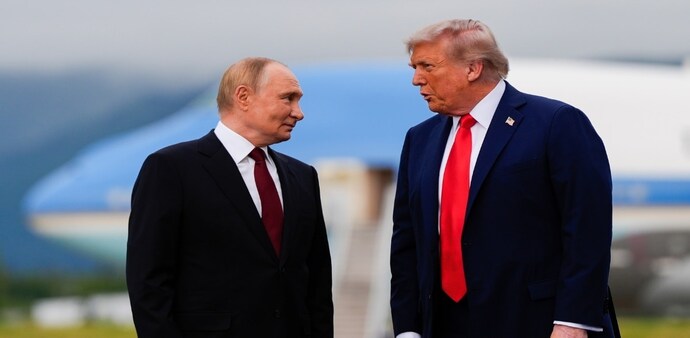
The talks, which were part of a broader diplomatic effort led by U.S. envoy Steve Witkoff, took place during a visit to Moscow earlier this month. Witkoff met with Russian President Vladimir Putin and investment envoy Kirill Dmitriev. U.S. President Donald Trump was reportedly briefed on these discussions, which also briefly surfaced during the Alaska summit on August 15.
"The White House really wanted to put out a headline after the Alaska summit, announcing a big investment deal," one source told Reuters. "This is how Trump feels like he’s achieved something."
The U.S. has imposed a 50% tariff on India, of which 25% is for India's purchase of Russian oil. The White House has accused India of supporting Russia’s war machine in Ukraine. However, India has strongly rebutted this claim, pointing out that Europe and the U.S. continue trading with Russia as well.
"It is revealing that the very nations criticising India are themselves indulging in trade with Russia," the Ministry of External Affairs (MEA) said in a statement earlier this month, referring to the hypocrisy of the U.S. and Europe. India had already rejected the US' accusations of funding Russia’s war effort, reminding Washington that it too purchases products from Russia, including uranium and palladium.
In response to these tensions, the MEA stressed that India's imports from Russia are driven by national necessity, as traditional oil suppliers diverted their supplies to Europe after the Ukraine conflict broke out. India stated that the U.S. had, at the time, encouraged such imports to stabilize global energy markets.
Despite the rhetoric from Washington, the MEA noted that both the U.S. and Europe continue to do business with Russia, albeit without the same urgency as India. The MEA further stated that the European Union had a bilateral trade of €67.5 billion with Russia in 2024, while the U.S. continues importing Russian uranium hexafluoride, palladium, fertilizers, and chemicals.
While the United States has imposed tariffs on India for importing Russian oil, it has been secretly discussing energy deals with Russia, according to Reuters. These discussions, which took place during negotiations for peace in Ukraine earlier this month, included talks on Exxon Mobil re-entering Russia's Sakhalin-1 oil and gas project and the possibility of Russia purchasing U.S. equipment for its LNG projects, the report said, citing sources.
The U.S. has sanctioned Russia's energy sector, cutting the country off from most international investments following the Ukraine invasion in February 2022. However, U.S. officials have been exploring ways to incentivise the Kremlin to agree to peace by easing some of these sanctions. The report said that one of the deals under discussion was for the U.S. to purchase nuclear-powered icebreaker vessels from Russia.
The talks, which were part of a broader diplomatic effort led by U.S. envoy Steve Witkoff, took place during a visit to Moscow earlier this month. Witkoff met with Russian President Vladimir Putin and investment envoy Kirill Dmitriev. U.S. President Donald Trump was reportedly briefed on these discussions, which also briefly surfaced during the Alaska summit on August 15.
"The White House really wanted to put out a headline after the Alaska summit, announcing a big investment deal," one source told Reuters. "This is how Trump feels like he’s achieved something."
The U.S. has imposed a 50% tariff on India, of which 25% is for India's purchase of Russian oil. The White House has accused India of supporting Russia’s war machine in Ukraine. However, India has strongly rebutted this claim, pointing out that Europe and the U.S. continue trading with Russia as well.
"It is revealing that the very nations criticising India are themselves indulging in trade with Russia," the Ministry of External Affairs (MEA) said in a statement earlier this month, referring to the hypocrisy of the U.S. and Europe. India had already rejected the US' accusations of funding Russia’s war effort, reminding Washington that it too purchases products from Russia, including uranium and palladium.
In response to these tensions, the MEA stressed that India's imports from Russia are driven by national necessity, as traditional oil suppliers diverted their supplies to Europe after the Ukraine conflict broke out. India stated that the U.S. had, at the time, encouraged such imports to stabilize global energy markets.
Despite the rhetoric from Washington, the MEA noted that both the U.S. and Europe continue to do business with Russia, albeit without the same urgency as India. The MEA further stated that the European Union had a bilateral trade of €67.5 billion with Russia in 2024, while the U.S. continues importing Russian uranium hexafluoride, palladium, fertilizers, and chemicals.