
'US to lose like China on CPEC': Ex-treasury secy as Reko Diq seeks $100 mn loan for project in Balochistan
The comparison to China's China-Pakistan Economic Corridor (CPEC) project highlights the significant challenges that have hindered CPEC's success.
- Aug 26, 2025,
- Updated Aug 26, 2025 9:46 PM IST
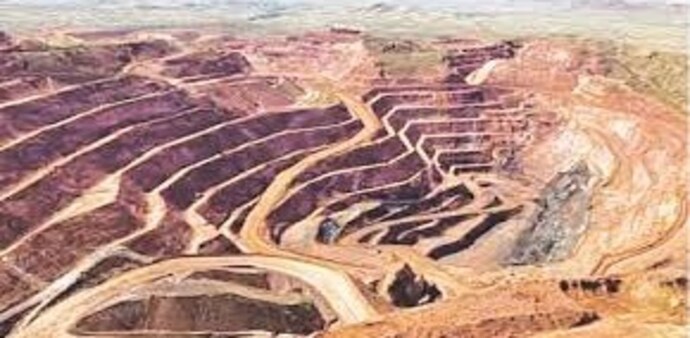
After the US Export-Import Bank (EXIM) announced it had received an application for a long-term loan of over $100 million to develop Reko Diq mine in Balochistan, Evan A Feigenbaum, a former treasury official, said Washington could end up "losing nearly as much money as China has lost on CPEC."
US President Donald Trump on July 31 confirmed a trade deal with Pakistan aimed at developing the country's "massive oil reserves." However, it remains unclear which specific reserves Trump was referring to, as Pakistan currently imports oil primarily from the Middle East. There have been reports of vast untapped offshore deposits, but these remain largely unexplored due to a lack of technical expertise and funds.
Feigenbaum's comments reflect broader skepticism regarding US involvement in Pakistan's energy sector. The comparison to China's China-Pakistan Economic Corridor (CPEC) project highlights the significant challenges that have hindered CPEC's success. Despite a $60-$65 billion investment, CPEC has faced persistent security issues, especially in volatile regions like Balochistan, and political instability in Pakistan.
The former secretary's criticism suggests that US involvement in similar ventures may lead to similar setbacks. "Now the United States can attempt to lose nearly as much money as China has lost on CPEC," he wrote, underscoring the potential risks involved in investing in a region with significant geopolitical and economic instability.
The US is now positioning itself to lead development in Pakistan's energy sector, but experts remain doubtful about the long-term returns of such investments.
After the US Export-Import Bank (EXIM) announced it had received an application for a long-term loan of over $100 million to develop Reko Diq mine in Balochistan, Evan A Feigenbaum, a former treasury official, said Washington could end up "losing nearly as much money as China has lost on CPEC."
US President Donald Trump on July 31 confirmed a trade deal with Pakistan aimed at developing the country's "massive oil reserves." However, it remains unclear which specific reserves Trump was referring to, as Pakistan currently imports oil primarily from the Middle East. There have been reports of vast untapped offshore deposits, but these remain largely unexplored due to a lack of technical expertise and funds.
Feigenbaum's comments reflect broader skepticism regarding US involvement in Pakistan's energy sector. The comparison to China's China-Pakistan Economic Corridor (CPEC) project highlights the significant challenges that have hindered CPEC's success. Despite a $60-$65 billion investment, CPEC has faced persistent security issues, especially in volatile regions like Balochistan, and political instability in Pakistan.
The former secretary's criticism suggests that US involvement in similar ventures may lead to similar setbacks. "Now the United States can attempt to lose nearly as much money as China has lost on CPEC," he wrote, underscoring the potential risks involved in investing in a region with significant geopolitical and economic instability.
The US is now positioning itself to lead development in Pakistan's energy sector, but experts remain doubtful about the long-term returns of such investments.