
Where is Thar desert? The rising star in India’s energy landscape
Though the Thar Desert’s extreme climate has made it difficult for people to thrive, it is now attracting attention for its immense renewable energy potential.
- Apr 6, 2026,
- Updated Apr 6, 2026 5:29 PM IST
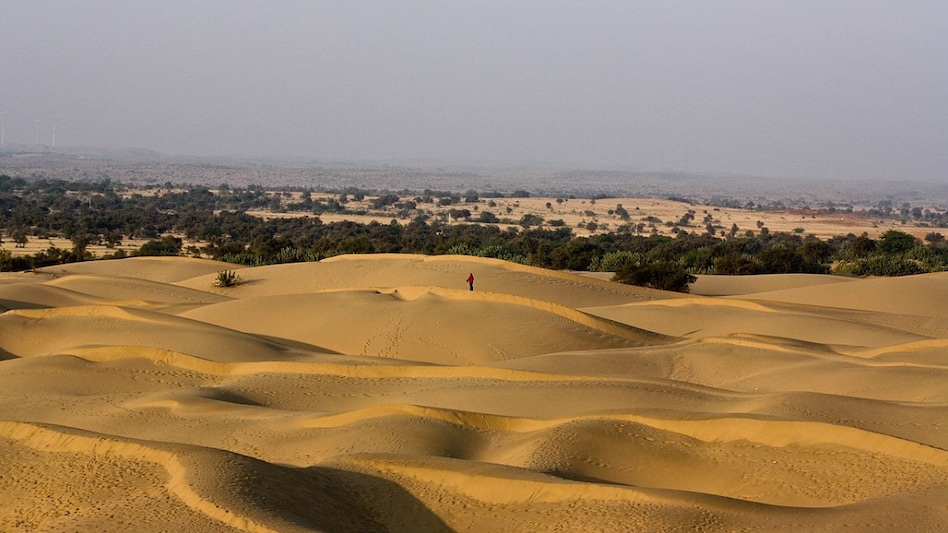
The Thar Desert, one of the largest deserts in Asia, stretches across the north-western region of India, primarily covering Rajasthan, and extending into parts of Gujarat, Haryana, and Punjab.
Known as the Great Indian Desert, it spans 200,000 to 264,000 square kilometers. Historically, the Thar has been known for its harsh climate, with scorching temperatures, little rainfall, and tough living conditions. But in recent years, this once-forgotten land has transformed into a crucial energy hub for India.
A new chapter for the Thar
Though the Thar Desert’s extreme climate has made it difficult for people to thrive, it is now attracting attention for its immense renewable energy potential. With the abundant sunshine and open land, it is becoming a key player in India’s push towards clean energy.
Solar power boom
Among the biggest stories coming out of the Thar Desert is its solar energy potential.
The Bhadla Solar Park, located in Rajasthan, has quickly become one of the world’s largest solar parks. With an installed capacity of over 2,200 megawatts, the park spans hundreds of square kilometers and harnesses the high solar irradiance of the region to generate power.
This makes the Thar an important asset in India's renewable energy push, and Bhadla is setting the stage for more similar projects in the region.
Wind Power rising
It’s not just solar energy. The Desert is also rich in wind energy resources. The regions of Jaisalmer and Barmer are dotted with wind turbines, which are steadily contributing to India's growing wind energy capacity. With wind and solar together, the Thar Desert is helping to power the nation and reduce its dependency on coal and other fossil fuels.
Oil and gas potential
While renewables are at the forefront, the desert also holds traditional energy reserves.
According to a report by Times of India, oil fields in Jaisalmer have seen increased production over the years, driven by advanced extraction techniques. This development is helping India become more self-reliant in energy and adds another layer to the Thar Desert’s energy importance.
The challenges
The rise of energy projects in the Thar Desert, while exciting, also comes with challenges. Land use is changing rapidly, as vast stretches are being converted into solar parks and wind farms. This is impacting local communities, particularly herders and farmers, who rely on the land for grazing and cultivation.
While renewable energy is cleaner for the environment, the desert’s ecosystem and its people must be carefully considered in the process.
Looking ahead
The Thar Desert is now seen as a cornerstone of India’s renewable energy revolution. Its vast open land and high solar and wind potential have made it a rising star in India’s clean energy landscape. As India moves towards its goal of net-zero emissions, the desert is set to play a major role in powering the country, while also presenting challenges that must be managed thoughtfully.
Once known for its tough terrain, the Thar is now emerging as a dynamic source of renewable energy that could help fuel India’s future growth. With solar and wind energy projects growing rapidly in the region, the desert’s economic and environmental significance is expanding, offering a glimpse into India’s sustainable energy future.
The Thar Desert, one of the largest deserts in Asia, stretches across the north-western region of India, primarily covering Rajasthan, and extending into parts of Gujarat, Haryana, and Punjab.
Known as the Great Indian Desert, it spans 200,000 to 264,000 square kilometers. Historically, the Thar has been known for its harsh climate, with scorching temperatures, little rainfall, and tough living conditions. But in recent years, this once-forgotten land has transformed into a crucial energy hub for India.
A new chapter for the Thar
Though the Thar Desert’s extreme climate has made it difficult for people to thrive, it is now attracting attention for its immense renewable energy potential. With the abundant sunshine and open land, it is becoming a key player in India’s push towards clean energy.
Solar power boom
Among the biggest stories coming out of the Thar Desert is its solar energy potential.
The Bhadla Solar Park, located in Rajasthan, has quickly become one of the world’s largest solar parks. With an installed capacity of over 2,200 megawatts, the park spans hundreds of square kilometers and harnesses the high solar irradiance of the region to generate power.
This makes the Thar an important asset in India's renewable energy push, and Bhadla is setting the stage for more similar projects in the region.
Wind Power rising
It’s not just solar energy. The Desert is also rich in wind energy resources. The regions of Jaisalmer and Barmer are dotted with wind turbines, which are steadily contributing to India's growing wind energy capacity. With wind and solar together, the Thar Desert is helping to power the nation and reduce its dependency on coal and other fossil fuels.
Oil and gas potential
While renewables are at the forefront, the desert also holds traditional energy reserves.
According to a report by Times of India, oil fields in Jaisalmer have seen increased production over the years, driven by advanced extraction techniques. This development is helping India become more self-reliant in energy and adds another layer to the Thar Desert’s energy importance.
The challenges
The rise of energy projects in the Thar Desert, while exciting, also comes with challenges. Land use is changing rapidly, as vast stretches are being converted into solar parks and wind farms. This is impacting local communities, particularly herders and farmers, who rely on the land for grazing and cultivation.
While renewable energy is cleaner for the environment, the desert’s ecosystem and its people must be carefully considered in the process.
Looking ahead
The Thar Desert is now seen as a cornerstone of India’s renewable energy revolution. Its vast open land and high solar and wind potential have made it a rising star in India’s clean energy landscape. As India moves towards its goal of net-zero emissions, the desert is set to play a major role in powering the country, while also presenting challenges that must be managed thoughtfully.
Once known for its tough terrain, the Thar is now emerging as a dynamic source of renewable energy that could help fuel India’s future growth. With solar and wind energy projects growing rapidly in the region, the desert’s economic and environmental significance is expanding, offering a glimpse into India’s sustainable energy future.