
‘Wait for a true GST 2.0 continues’: Jairam Ramesh, Chidambaram say GST rationalisation has come too late
GST changes: Jairam Ramesh asked if it was the “sluggish growth”, the “rising household debt”, “falling household savings”, the upcoming elections in Bihar”, “Trump and his tariffs” or a combination of all these factors that led the government to make the changes to GST.
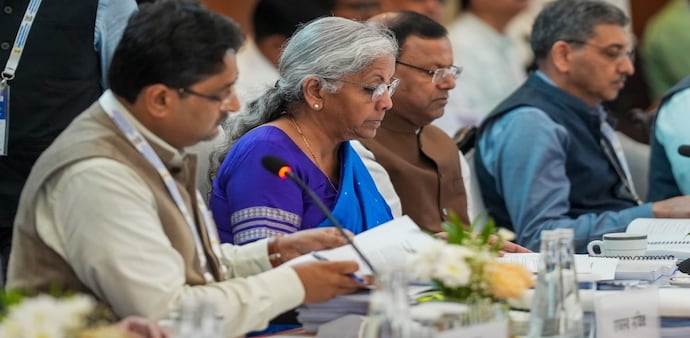
- Sep 4, 2025,
- Updated Sep 4, 2025 10:18 AM IST
The GST Council’s complete overhaul of the tax regime has come eight years too late, said senior Congress leader and former finance minister P Chidambaram. His party colleague, Jairam Ramesh also said that the wait for the “true GST 2.0” continues, and the reforms are at best, GST 1.5.
Chidambaram said that the “GST rationalisation and the reduction in rates on a range of goods and services are welcome but 8 years too late”. He said the current GST design and the prevailing rates should not have been introduced in the first place. “We have been crying hoarse for the last 8 years against the design and rates of GST, but our pleas fell on deaf years,” said Chidambaram.
He asked if it was the “sluggish growth”, the “rising household debt”, “falling household savings”, the upcoming elections in Bihar”, “Trump and his tariffs” or a combination of all these factors that led the government to make the changes to GST.
Meanwhile, Jairam Ramesh said that a key demand of the states – “the extension of compensation for another five years to fully protect their revenues” – remained unaddressed and has assumed even greater importance now..
“Last evening’s announcements have certainly made headlines since the PM had already laid down the pre-Diwali deadlines. Presumably the benefits of rate cuts will be passed on to consumers. However the wait for a true GST 2.0 continues. Whether this new GST 1.5, if it can be called that, stimulates private investment - especially in manufacturing - remains to be seen. Whether this will ease the burden on MSMEs, time alone will tell,” said Ramesh.
The Congress general secretary in-charge of communications, said that the Congress has, for long, been advocating for GST 2.0. “The Union Finance Minister has made major announcements last evening after the meeting of the GST Council, which is a constitutional body. However, even before the GST Council meeting, the Prime Minister had already proclaimed the substance of its decisions in his Independence Day speech of August 15th, 2025. Is the GST Council to be reduced to a formality?” he asked.
Ramesh said that the Finance Minister finally recognised that GST 1.0 had reached its dead end, something that was pointed out by Congress way back in July 2017. “It was meant to be a Good and Simple Tax. It turned out to be a Growth Suppressing Tax,” said Ramesh.
The GST Council simplified the GST structure, reducing the number of tax slabs from four to two main rates, effective from September 22. FM Sitharaman announced the overhaul which comprises two primary rates: 5 per cent and 18 per cent. Additionally, a special 40 per cent slab has been reserved for luxury and sin goods. The tax on personal health and life insurance policies has been entirely removed, previously set at 18 per cent. "All decisions were taken unanimously, with no disagreement with any state," Sitharaman stated following the council meeting.
The newly approved rates will apply broadly, with exceptions for certain products. Sitharaman clarified, adding that the new rates for all products, except pan masala, gutkha, cigarettes, chewing tobacco products like zarda, unmanufactured tobacco and bidi, will be effective September 22. These changes are designed to enhance economic activity by reducing the cost of goods for consumers, particularly benefiting the middle class.
The GST Council’s complete overhaul of the tax regime has come eight years too late, said senior Congress leader and former finance minister P Chidambaram. His party colleague, Jairam Ramesh also said that the wait for the “true GST 2.0” continues, and the reforms are at best, GST 1.5.
Chidambaram said that the “GST rationalisation and the reduction in rates on a range of goods and services are welcome but 8 years too late”. He said the current GST design and the prevailing rates should not have been introduced in the first place. “We have been crying hoarse for the last 8 years against the design and rates of GST, but our pleas fell on deaf years,” said Chidambaram.
He asked if it was the “sluggish growth”, the “rising household debt”, “falling household savings”, the upcoming elections in Bihar”, “Trump and his tariffs” or a combination of all these factors that led the government to make the changes to GST.
Meanwhile, Jairam Ramesh said that a key demand of the states – “the extension of compensation for another five years to fully protect their revenues” – remained unaddressed and has assumed even greater importance now..
“Last evening’s announcements have certainly made headlines since the PM had already laid down the pre-Diwali deadlines. Presumably the benefits of rate cuts will be passed on to consumers. However the wait for a true GST 2.0 continues. Whether this new GST 1.5, if it can be called that, stimulates private investment - especially in manufacturing - remains to be seen. Whether this will ease the burden on MSMEs, time alone will tell,” said Ramesh.
The Congress general secretary in-charge of communications, said that the Congress has, for long, been advocating for GST 2.0. “The Union Finance Minister has made major announcements last evening after the meeting of the GST Council, which is a constitutional body. However, even before the GST Council meeting, the Prime Minister had already proclaimed the substance of its decisions in his Independence Day speech of August 15th, 2025. Is the GST Council to be reduced to a formality?” he asked.
Ramesh said that the Finance Minister finally recognised that GST 1.0 had reached its dead end, something that was pointed out by Congress way back in July 2017. “It was meant to be a Good and Simple Tax. It turned out to be a Growth Suppressing Tax,” said Ramesh.
The GST Council simplified the GST structure, reducing the number of tax slabs from four to two main rates, effective from September 22. FM Sitharaman announced the overhaul which comprises two primary rates: 5 per cent and 18 per cent. Additionally, a special 40 per cent slab has been reserved for luxury and sin goods. The tax on personal health and life insurance policies has been entirely removed, previously set at 18 per cent. "All decisions were taken unanimously, with no disagreement with any state," Sitharaman stated following the council meeting.
The newly approved rates will apply broadly, with exceptions for certain products. Sitharaman clarified, adding that the new rates for all products, except pan masala, gutkha, cigarettes, chewing tobacco products like zarda, unmanufactured tobacco and bidi, will be effective September 22. These changes are designed to enhance economic activity by reducing the cost of goods for consumers, particularly benefiting the middle class.