
'We still have Inspector Raj': Kotak's Nilesh Shah urges these reforms to tackle Trump's tariffs
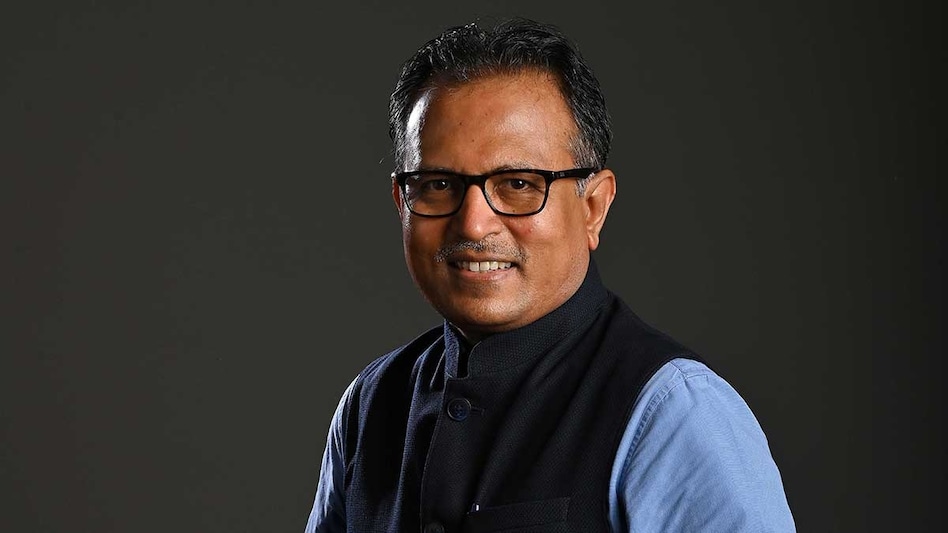
'We have to empower our entrepreneurs and accelerate the ease of doing business,' says Nilesh Shah
- Aug 7, 2025,
- Updated Aug 7, 2025 4:29 PM IST
Amid the escalating tensions between the U.S. and India, particularly with the imposition of a 50% tariff on Indian goods, Nilesh Shah, Managing Director of Kotak Mutual Fund, shared his thoughts on how India can navigate the current uncertainty and emerge stronger.
"So it's always difficult to predict America. As Henry Kissinger put - it may be dangerous to be America's enemy, but to be America's friend is fatal. Their policy unpredictability is making the market guess. And right now, the market is guessing that U.S. and India have the same long-term strategic interest and eventually better senses will prevail," Shah said in an interview with NDTV Profit.
Shah pointed out that while the tariffs are set to take effect in about 21 days, with negotiations between the U.S. and India scheduled for August 25, the market currently appears complacent. "The market seems complacent about this tariff announcement. They believe better senses will prevail and the US will recognise that the European Union and U.S. themselves have been trading with Russia," he said.
Despite the market's hopeful stance, Shah acknowledged the challenges posed by such tariffs, but he remained optimistic. Drawing on historical context, he cited past crises in India's history, such as the 1970s food grain shortage and the 1991 financial crisis, which forced India to become more self-reliant. "When Indians are pushed into a corner, they will bring out their best," Shah said, reflecting confidence in India's ability to adapt and innovate under pressure.
Addressing the question of what India should do in these uncertain times, Shah stressed the importance of empowering entrepreneurs and improving the ease of doing business. "We have to empower our entrepreneurs and accelerate the ease of doing business. There is still inspector raj prevailing where numerous rules, regulations, and compliance end up burdening entrepreneurs."
"For example, we still have a law (for factories) which prescribes fonts for weight slip and the ink in which it can be printed. We have rules that say you have to maintain health records of canteen cooks. Now these are all unnecessary rules and regulations which empower inspector to constrain our entrepreneurs."
He further added that India's focus should return to promoting a modern version of the "Swadeshi" movement. Despite its significant progress, India’s trade deficit, especially with China, continues to be a major concern. Shah said, "India got independence through the Swadeshi movement, but today, our trade deficit with China is in excess of $100 billion. In fact, we run the second-largest trade deficit in the world post-U.S., with over $200 billion on the goods side."
Shah also emphasised the need to foster innovation and technology within India. "There is no substitute for innovation and technology."
Amid the escalating tensions between the U.S. and India, particularly with the imposition of a 50% tariff on Indian goods, Nilesh Shah, Managing Director of Kotak Mutual Fund, shared his thoughts on how India can navigate the current uncertainty and emerge stronger.
"So it's always difficult to predict America. As Henry Kissinger put - it may be dangerous to be America's enemy, but to be America's friend is fatal. Their policy unpredictability is making the market guess. And right now, the market is guessing that U.S. and India have the same long-term strategic interest and eventually better senses will prevail," Shah said in an interview with NDTV Profit.
Shah pointed out that while the tariffs are set to take effect in about 21 days, with negotiations between the U.S. and India scheduled for August 25, the market currently appears complacent. "The market seems complacent about this tariff announcement. They believe better senses will prevail and the US will recognise that the European Union and U.S. themselves have been trading with Russia," he said.
Despite the market's hopeful stance, Shah acknowledged the challenges posed by such tariffs, but he remained optimistic. Drawing on historical context, he cited past crises in India's history, such as the 1970s food grain shortage and the 1991 financial crisis, which forced India to become more self-reliant. "When Indians are pushed into a corner, they will bring out their best," Shah said, reflecting confidence in India's ability to adapt and innovate under pressure.
Addressing the question of what India should do in these uncertain times, Shah stressed the importance of empowering entrepreneurs and improving the ease of doing business. "We have to empower our entrepreneurs and accelerate the ease of doing business. There is still inspector raj prevailing where numerous rules, regulations, and compliance end up burdening entrepreneurs."
"For example, we still have a law (for factories) which prescribes fonts for weight slip and the ink in which it can be printed. We have rules that say you have to maintain health records of canteen cooks. Now these are all unnecessary rules and regulations which empower inspector to constrain our entrepreneurs."
He further added that India's focus should return to promoting a modern version of the "Swadeshi" movement. Despite its significant progress, India’s trade deficit, especially with China, continues to be a major concern. Shah said, "India got independence through the Swadeshi movement, but today, our trade deficit with China is in excess of $100 billion. In fact, we run the second-largest trade deficit in the world post-U.S., with over $200 billion on the goods side."
Shah also emphasised the need to foster innovation and technology within India. "There is no substitute for innovation and technology."