
What is Kavach? Indian Railways puts passenger safety at forefront with latest upgradation
Kavach is a modern train collision avoidance system designed to prevent accidents by alerting train operators in real-time when there is a risk of collision.
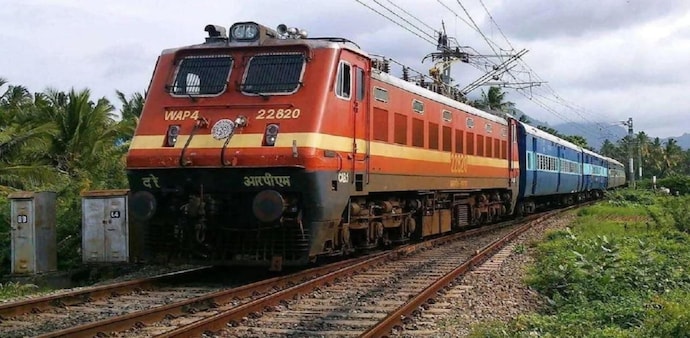
- Apr 6, 2026,
- Updated Apr 6, 2026 9:58 PM IST
Indian Railways is taking major steps to improve the safety and reliability of its services with a ₹1,364.45 crore investment in the latest safety, communication, and signalling systems.
The highlight of this upgrade is Kavach, a state-of-the-art train collision avoidance system that will be installed across the network. Along with this, there will be significant improvements in communication systems and the replacement of outdated signalling methods to ensure safer and more efficient train operations.
What is Kavach and why is it important?
Kavach is a modern train collision avoidance system designed to prevent accidents by alerting train operators in real-time when there is a risk of collision.
It works by continuously monitoring train movement and sending warnings if two trains are on a potential collision course. Indian Railways has sanctioned ₹208.81 crore for the installation of Kavach Version 4.0 on 232 locomotives in Southern Railway as part of a larger initiative.
This system plays a crucial role in improving train safety by reducing human errors, which are often a factor in accidents. Kavach will help ensure that train operations are safer for both passengers and staff, making it an essential part of the railways' modernization efforts.
Strengthening Communication Systems in Northern Railway
In addition to Kavach, Indian Railways is also upgrading its communication infrastructure. A ₹400.86 crore investment has been made to expand the fibre optic network in Northern Railway, which will support the deployment of Kavach and improve signalling reliability.
The project includes the installation of 2×48 fibre optic cables across 3,200 route kilometres in Ambala, Delhi, and Lucknow divisions. This enhanced communication network will help ensure that modern safety systems like Kavach can function without disruptions, ultimately making the system more efficient and reliable.
Supporting Kavach deployment in North Central railway
To further support the Kavach rollout, ₹176.76 crore has been allocated to strengthen communication infrastructure in North Central Railway. The project will cover 2,196 route kilometres, spanning across the Prayagraj, Jhansi, and Agra divisions. This fibre optic network will provide the essential communication backbone required for the smooth operation of Kavach and other safety systems.
By improving communication along some of the busiest routes in India, this initiative will not only enhance train safety but also contribute to better operational efficiency across the network.
Upgrading signalling systems in South Central railway
Another key aspect of this upgrade is the replacement of panel interlocking systems with more advanced electronic interlocking systems. Indian Railways has approved ₹578.02 crore for this upgrade in South Central Railway, where 49 stations on high-density routes will benefit from the change.
This project will take place in Guntakal and Nanded Divisions.
Electronic interlocking is faster and more reliable than the older panel systems. By reducing the need for manual intervention, it helps ensure smoother train operations and improves safety by making sure trains are on the right tracks at the right time.
Why these changes matter
The multi crore investment marks a significant step in Indian Railways' efforts to modernise its infrastructure. These upgrades are aimed at improving safety, enhancing communication, and making train operations more efficient across the network.
By installing Kavach, expanding the fibre optic network, and replacing outdated signalling systems, Indian Railways is addressing some of the key challenges faced by the rail network. These measures will help prevent accidents, reduce delays, and make train travel safer for millions of passengers.
With these upgrades, Indian Railways is well on its way to creating a safer, more efficient, and modern rail system, setting a strong foundation for the future of rail travel in India.
Indian Railways is taking major steps to improve the safety and reliability of its services with a ₹1,364.45 crore investment in the latest safety, communication, and signalling systems.
The highlight of this upgrade is Kavach, a state-of-the-art train collision avoidance system that will be installed across the network. Along with this, there will be significant improvements in communication systems and the replacement of outdated signalling methods to ensure safer and more efficient train operations.
What is Kavach and why is it important?
Kavach is a modern train collision avoidance system designed to prevent accidents by alerting train operators in real-time when there is a risk of collision.
It works by continuously monitoring train movement and sending warnings if two trains are on a potential collision course. Indian Railways has sanctioned ₹208.81 crore for the installation of Kavach Version 4.0 on 232 locomotives in Southern Railway as part of a larger initiative.
This system plays a crucial role in improving train safety by reducing human errors, which are often a factor in accidents. Kavach will help ensure that train operations are safer for both passengers and staff, making it an essential part of the railways' modernization efforts.
Strengthening Communication Systems in Northern Railway
In addition to Kavach, Indian Railways is also upgrading its communication infrastructure. A ₹400.86 crore investment has been made to expand the fibre optic network in Northern Railway, which will support the deployment of Kavach and improve signalling reliability.
The project includes the installation of 2×48 fibre optic cables across 3,200 route kilometres in Ambala, Delhi, and Lucknow divisions. This enhanced communication network will help ensure that modern safety systems like Kavach can function without disruptions, ultimately making the system more efficient and reliable.
Supporting Kavach deployment in North Central railway
To further support the Kavach rollout, ₹176.76 crore has been allocated to strengthen communication infrastructure in North Central Railway. The project will cover 2,196 route kilometres, spanning across the Prayagraj, Jhansi, and Agra divisions. This fibre optic network will provide the essential communication backbone required for the smooth operation of Kavach and other safety systems.
By improving communication along some of the busiest routes in India, this initiative will not only enhance train safety but also contribute to better operational efficiency across the network.
Upgrading signalling systems in South Central railway
Another key aspect of this upgrade is the replacement of panel interlocking systems with more advanced electronic interlocking systems. Indian Railways has approved ₹578.02 crore for this upgrade in South Central Railway, where 49 stations on high-density routes will benefit from the change.
This project will take place in Guntakal and Nanded Divisions.
Electronic interlocking is faster and more reliable than the older panel systems. By reducing the need for manual intervention, it helps ensure smoother train operations and improves safety by making sure trains are on the right tracks at the right time.
Why these changes matter
The multi crore investment marks a significant step in Indian Railways' efforts to modernise its infrastructure. These upgrades are aimed at improving safety, enhancing communication, and making train operations more efficient across the network.
By installing Kavach, expanding the fibre optic network, and replacing outdated signalling systems, Indian Railways is addressing some of the key challenges faced by the rail network. These measures will help prevent accidents, reduce delays, and make train travel safer for millions of passengers.
With these upgrades, Indian Railways is well on its way to creating a safer, more efficient, and modern rail system, setting a strong foundation for the future of rail travel in India.