
What is killing Indians? Heart disease tops list; Zerodha's Nithin Kamath flags two key risks
The data shows that in 2023, 71% of deaths in India were due to non-communicable diseases, with heart diseases accounting for the largest share at 32%
- Apr 14, 2026,
- Updated Apr 14, 2026 9:05 PM IST
Zerodha founder and CEO Nithin Kamath on Tuesday said a mix of systemic issues and lifestyle choices was driving deaths in India.
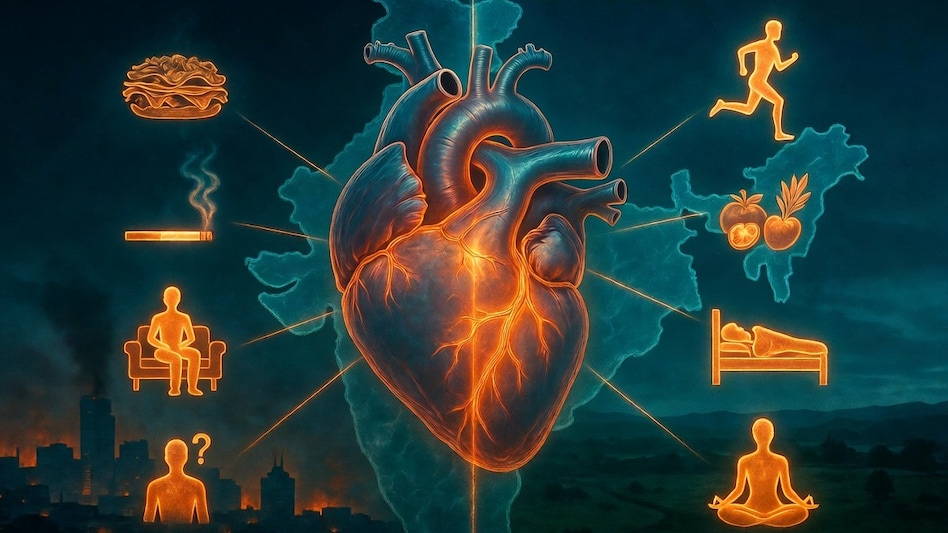
"A lot of what kills us is systemic, like poor air quality, broken food systems, and infrastructure. But a meaningful chunk is also within our control, like how we eat, move, sleep, and take care of ourselves," Kamath said, while sharing data on mortality trends.
He was referring to a report from Our World in Data that mapped the causes of death in India in 2023, showing that a majority of deaths were linked to non-communicable diseases.
The data shows that 71% of deaths in India were due to non-communicable diseases, with heart diseases accounting for the largest share at 32%. This includes heart attacks, strokes, and other cardiovascular conditions, amounting to around 3.12 million deaths annually, or about 8,550 per day.
Chronic respiratory diseases such as COPD and asthma made up 13% of deaths, followed by cancers at 11%. Diabetes and kidney diseases accounted for 7.3%, while digestive diseases contributed 3.5%.
Other non-communicable and neurological conditions made up smaller shares.
Infectious diseases accounted for 16% of total deaths. Respiratory infections, including pneumonia, influenza, and Covid-19, made up 4.7%, while diarrhoeal diseases also accounted for 4.7%.
Tuberculosis contributed 3.4%, with other infectious diseases and HIV/AIDS forming smaller portions.
Injuries were responsible for 9.7% of deaths. Transport-related incidents accounted for 2.8%, followed by falls at 2.2% and other injuries, including drowning and fire, at 2.2%. Suicide accounted for 2%, while homicide made up a smaller share.
The data also showed neonatal deaths - those occurring within the first 28 days of life - accounted for 3% of total fatalities.
The figures show that chronic and lifestyle-related conditions form the bulk of deaths in India, alongside a smaller but significant share from infectious diseases and injuries.
Zerodha founder and CEO Nithin Kamath on Tuesday said a mix of systemic issues and lifestyle choices was driving deaths in India.
"A lot of what kills us is systemic, like poor air quality, broken food systems, and infrastructure. But a meaningful chunk is also within our control, like how we eat, move, sleep, and take care of ourselves," Kamath said, while sharing data on mortality trends.
He was referring to a report from Our World in Data that mapped the causes of death in India in 2023, showing that a majority of deaths were linked to non-communicable diseases.
The data shows that 71% of deaths in India were due to non-communicable diseases, with heart diseases accounting for the largest share at 32%. This includes heart attacks, strokes, and other cardiovascular conditions, amounting to around 3.12 million deaths annually, or about 8,550 per day.
Chronic respiratory diseases such as COPD and asthma made up 13% of deaths, followed by cancers at 11%. Diabetes and kidney diseases accounted for 7.3%, while digestive diseases contributed 3.5%.
Other non-communicable and neurological conditions made up smaller shares.
Infectious diseases accounted for 16% of total deaths. Respiratory infections, including pneumonia, influenza, and Covid-19, made up 4.7%, while diarrhoeal diseases also accounted for 4.7%.
Tuberculosis contributed 3.4%, with other infectious diseases and HIV/AIDS forming smaller portions.
Injuries were responsible for 9.7% of deaths. Transport-related incidents accounted for 2.8%, followed by falls at 2.2% and other injuries, including drowning and fire, at 2.2%. Suicide accounted for 2%, while homicide made up a smaller share.
The data also showed neonatal deaths - those occurring within the first 28 days of life - accounted for 3% of total fatalities.
The figures show that chronic and lifestyle-related conditions form the bulk of deaths in India, alongside a smaller but significant share from infectious diseases and injuries.