
What’s inside India-Germany’s $8 billion defence deal? Key details you didn’t know
Unlike earlier defence imports, this deal places heavy emphasis on Transfer of Technology (ToT) — a key pillar of India’s self-reliance push.
- Apr 23, 2026,
- Updated Apr 23, 2026 7:10 PM IST
India’s growing defence ties with Europe have taken a significant leap with a reported $8 billion agreement with Germany — one of the biggest military-industrial collaborations between the two countries. While headline numbers grab attention, the real story lies in what the deal actually includes, why it matters, and how it reshapes India’s military preparedness and strategic positioning.
The core of the deal: Advanced submarines
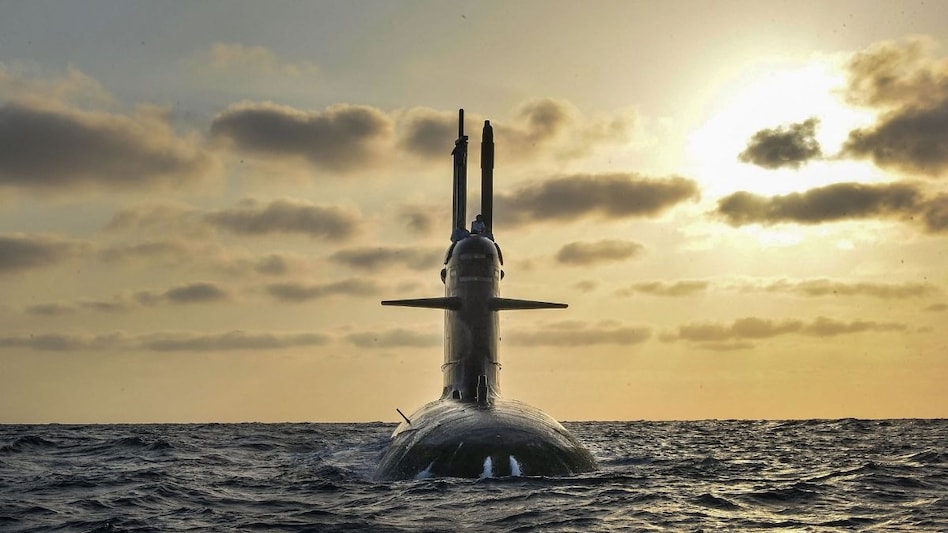
At the heart of the agreement is the long-pending plan to build next-generation conventional submarines for the Indian Navy under Project-75 India. Under Project-75(I), Germany’s ThyssenKrupp Marine Systems (TKMS) will partner with India's Mazagon Dock Shipbuilders (MDL) for local construction, marking a major "Make in India" initiative.
Must read: Beneath the waves: Where India stands in a 2-front submarine war
TKMS is expected to play a central role, partnering with the Indian shipyard to deliver cutting-edge diesel-electric submarines equipped with Air-Independent Propulsion (AIP) systems.
What this means:
- Longer underwater endurance without surfacing
- Enhanced stealth capabilities
- Improved survivability in contested waters
This is critical as India looks to counter expanding Chinese naval presence in the Indian Ocean.
Technology transfer: The real game-changer
Unlike earlier defence imports, this deal places heavy emphasis on Transfer of Technology (ToT) — a key pillar of India’s self-reliance push.
German firms are expected to share:
- Submarine design expertise
- Propulsion and stealth technologies
- Combat management systems
For India, this is not just about buying hardware — it’s about building long-term domestic capability.
‘Make in India’ boost
A major chunk of the submarines will be constructed in India in collaboration with a local partner, likely involving shipyards such as Mazagon Dock Shipbuilders Limited.
This aligns with the government’s push to:
- Reduce import dependence
- Strengthen indigenous defence manufacturing
- Create high-skilled jobs in shipbuilding and engineering
Why Germany?
Germany brings decades of submarine-building expertise and a reputation for engineering precision. TKMS-designed submarines are already in service with several navies worldwide.
For India, partnering with Germany offers:
- Proven technology
- Reliable supply chains
- Lower geopolitical risk compared to some traditional partners
This $8 billion deal is more than a procurement exercise — it marks a shift in how India approaches defence partnerships.
India’s growing defence ties with Europe have taken a significant leap with a reported $8 billion agreement with Germany — one of the biggest military-industrial collaborations between the two countries. While headline numbers grab attention, the real story lies in what the deal actually includes, why it matters, and how it reshapes India’s military preparedness and strategic positioning.
The core of the deal: Advanced submarines
At the heart of the agreement is the long-pending plan to build next-generation conventional submarines for the Indian Navy under Project-75 India. Under Project-75(I), Germany’s ThyssenKrupp Marine Systems (TKMS) will partner with India's Mazagon Dock Shipbuilders (MDL) for local construction, marking a major "Make in India" initiative.
Must read: Beneath the waves: Where India stands in a 2-front submarine war
TKMS is expected to play a central role, partnering with the Indian shipyard to deliver cutting-edge diesel-electric submarines equipped with Air-Independent Propulsion (AIP) systems.
What this means:
- Longer underwater endurance without surfacing
- Enhanced stealth capabilities
- Improved survivability in contested waters
This is critical as India looks to counter expanding Chinese naval presence in the Indian Ocean.
Technology transfer: The real game-changer
Unlike earlier defence imports, this deal places heavy emphasis on Transfer of Technology (ToT) — a key pillar of India’s self-reliance push.
German firms are expected to share:
- Submarine design expertise
- Propulsion and stealth technologies
- Combat management systems
For India, this is not just about buying hardware — it’s about building long-term domestic capability.
‘Make in India’ boost
A major chunk of the submarines will be constructed in India in collaboration with a local partner, likely involving shipyards such as Mazagon Dock Shipbuilders Limited.
This aligns with the government’s push to:
- Reduce import dependence
- Strengthen indigenous defence manufacturing
- Create high-skilled jobs in shipbuilding and engineering
Why Germany?
Germany brings decades of submarine-building expertise and a reputation for engineering precision. TKMS-designed submarines are already in service with several navies worldwide.
For India, partnering with Germany offers:
- Proven technology
- Reliable supply chains
- Lower geopolitical risk compared to some traditional partners
This $8 billion deal is more than a procurement exercise — it marks a shift in how India approaches defence partnerships.