
'When public pays a user fee...': SC upholds Kerala HC order saying no toll on highways in poor condition
Justice K Vinod Chandran said highways built under the Build, Operate, Transfer (BOT) model are funded through tolls.
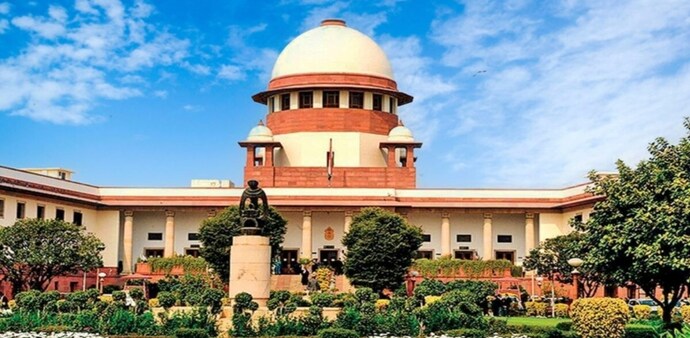
- Aug 20, 2025,
- Updated Aug 20, 2025 6:14 PM IST
The Supreme Court recently upheld the Kerala High Court’s view that toll cannot be charged on highways in poor condition, saying damaged roads cause hardship to people, waste fuel, and harm the environment. Rejecting NHAI’s challenge, a bench headed by CJI B R Gavai with Justices K Vinod Chandran and N V Anjaria upheld the Kerala High Court’s August 6 order that suspended toll collection for four weeks at Paliyekkara in Thrissur on NH-544, citing poor road conditions.
Quoting the High Court, the Supreme Court said: “When the public pays a user fee, they have the right to expect safe and unhindered use of the road. If NHAI or its agents fail to ensure this, it breaks public trust and defeats the very purpose of toll collection.”
Justice K Vinod Chandran said highways built under the Build, Operate, Transfer (BOT) model are funded through tolls despite vehicle owners already paying motor vehicle tax, and noted that concessionaires often recover far more than they spend.
He added that neglected or weather-damaged roads, coupled with misbehaving toll staff, force citizens to waste hours in long queues with engines running, making the toll not just a financial burden but also a strain on their patience and the environment.
The bench observed that the duty to maintain the highway rests with the concessionaire, yet a portion of the work was assigned to another contractor. The court added that it would refrain from further remarks as the matter fell within NHAI’s commercial discretion.
Upholding the Kerala High Court order, the Supreme Court asked the High Court’s division bench to monitor the situation and ensure smooth traffic. It also directed that the contractor handling black spot repairs be included in the case.
NHAI told the court that repair work is underway and traffic will be restored soon. The Supreme Court said that once conditions improve, NHAI or the concessionaire may approach the High Court to lift the toll ban even before the four-week deadline.
The Supreme Court recently upheld the Kerala High Court’s view that toll cannot be charged on highways in poor condition, saying damaged roads cause hardship to people, waste fuel, and harm the environment. Rejecting NHAI’s challenge, a bench headed by CJI B R Gavai with Justices K Vinod Chandran and N V Anjaria upheld the Kerala High Court’s August 6 order that suspended toll collection for four weeks at Paliyekkara in Thrissur on NH-544, citing poor road conditions.
Quoting the High Court, the Supreme Court said: “When the public pays a user fee, they have the right to expect safe and unhindered use of the road. If NHAI or its agents fail to ensure this, it breaks public trust and defeats the very purpose of toll collection.”
Justice K Vinod Chandran said highways built under the Build, Operate, Transfer (BOT) model are funded through tolls despite vehicle owners already paying motor vehicle tax, and noted that concessionaires often recover far more than they spend.
He added that neglected or weather-damaged roads, coupled with misbehaving toll staff, force citizens to waste hours in long queues with engines running, making the toll not just a financial burden but also a strain on their patience and the environment.
The bench observed that the duty to maintain the highway rests with the concessionaire, yet a portion of the work was assigned to another contractor. The court added that it would refrain from further remarks as the matter fell within NHAI’s commercial discretion.
Upholding the Kerala High Court order, the Supreme Court asked the High Court’s division bench to monitor the situation and ensure smooth traffic. It also directed that the contractor handling black spot repairs be included in the case.
NHAI told the court that repair work is underway and traffic will be restored soon. The Supreme Court said that once conditions improve, NHAI or the concessionaire may approach the High Court to lift the toll ban even before the four-week deadline.