
Why jewellers and banks love Akshaya Tritiya — and how they prepare for it
Banks use the occasion to promote gold beyond traditional jewellery purchases.
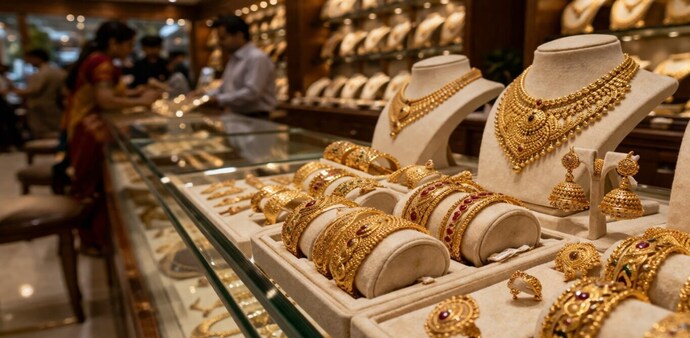
- Apr 15, 2026,
- Updated Apr 15, 2026 8:00 AM IST
For jewellers and banks, Akshaya Tritiya is more than a cultural occasion — it is one of the most dependable business days of the year, marked by a surge in gold purchases driven by tradition, sentiment and investment demand.
Observed as an auspicious day to begin new ventures or make big purchases, the festival has over the years evolved into a key driver of India’s gold economy.
Tradition anchors demand
The cultural significance of Akshaya Tritiya continues to play a key role in sustaining demand. Buying gold on this day is seen as auspicious, encouraging households to make purchases regardless of market conditions.
Even when gold prices rise, demand does not fall sharply. Instead, consumers tend to adjust their spending patterns by opting for lighter jewellery, smaller ornaments or gold coins. This helps maintain overall sales value, even if volumes fluctuate slightly.
A peak sales period for jewellers
For jewellery retailers, the festival functions as a major sales window, similar to other peak festive seasons. Stores typically witness heavy footfall throughout the day, with purchases ranging from coins and bars to daily-wear jewellery and wedding collections.
The timing of Akshaya Tritiya, often aligning with the wedding season, further boosts demand. Advance bookings and planned purchases also contribute to strong sales performance, with the industry often expecting double-digit growth during the period.
Banks tap into investment demand
Banks use the occasion to promote gold beyond traditional jewellery purchases. Alongside selling gold coins and bars, they push financial products such as digital gold and sovereign gold bonds.
There is a growing trend among urban and younger consumers to view gold as an investment asset. Akshaya Tritiya provides an entry point for such buyers, allowing banks to expand their customer base for gold-linked financial products.
Preparations begin weeks in advance
Jewellers and banks typically begin preparations well ahead of the festival to maximise business opportunities.
Inventory planning: Higher stock of coins, bars and lightweight jewellery Festive offers: Discounts on making charges, exchange schemes and bundled deals Marketing campaigns: Focus on prosperity, tradition and investment value Advance booking options: Price-lock facilities and pre-orders to manage price volatility
Retailers also strengthen their digital platforms, allowing customers to browse and book purchases online.
Balancing price and sentiment
Gold prices influence buying behaviour, but they rarely disrupt the overall momentum of the festival. Consumers continue to participate, often moderating the quantity rather than skipping purchases entirely.
As a result, while volumes may vary, the total value of sales tends to remain stable or even increase due to higher prices. In strong years, the industry has also recorded significant growth in sales during the festival period.
A dependable business driver
Akshaya Tritiya remains a sentiment-led economic event that consistently delivers for the gold industry. The combination of cultural belief, seasonal demand and rising investment awareness ensures steady business for jewellers and banks alike, making it a key date in India’s annual retail and financial calendar.
For jewellers and banks, Akshaya Tritiya is more than a cultural occasion — it is one of the most dependable business days of the year, marked by a surge in gold purchases driven by tradition, sentiment and investment demand.
Observed as an auspicious day to begin new ventures or make big purchases, the festival has over the years evolved into a key driver of India’s gold economy.
Tradition anchors demand
The cultural significance of Akshaya Tritiya continues to play a key role in sustaining demand. Buying gold on this day is seen as auspicious, encouraging households to make purchases regardless of market conditions.
Even when gold prices rise, demand does not fall sharply. Instead, consumers tend to adjust their spending patterns by opting for lighter jewellery, smaller ornaments or gold coins. This helps maintain overall sales value, even if volumes fluctuate slightly.
A peak sales period for jewellers
For jewellery retailers, the festival functions as a major sales window, similar to other peak festive seasons. Stores typically witness heavy footfall throughout the day, with purchases ranging from coins and bars to daily-wear jewellery and wedding collections.
The timing of Akshaya Tritiya, often aligning with the wedding season, further boosts demand. Advance bookings and planned purchases also contribute to strong sales performance, with the industry often expecting double-digit growth during the period.
Banks tap into investment demand
Banks use the occasion to promote gold beyond traditional jewellery purchases. Alongside selling gold coins and bars, they push financial products such as digital gold and sovereign gold bonds.
There is a growing trend among urban and younger consumers to view gold as an investment asset. Akshaya Tritiya provides an entry point for such buyers, allowing banks to expand their customer base for gold-linked financial products.
Preparations begin weeks in advance
Jewellers and banks typically begin preparations well ahead of the festival to maximise business opportunities.
Inventory planning: Higher stock of coins, bars and lightweight jewellery Festive offers: Discounts on making charges, exchange schemes and bundled deals Marketing campaigns: Focus on prosperity, tradition and investment value Advance booking options: Price-lock facilities and pre-orders to manage price volatility
Retailers also strengthen their digital platforms, allowing customers to browse and book purchases online.
Balancing price and sentiment
Gold prices influence buying behaviour, but they rarely disrupt the overall momentum of the festival. Consumers continue to participate, often moderating the quantity rather than skipping purchases entirely.
As a result, while volumes may vary, the total value of sales tends to remain stable or even increase due to higher prices. In strong years, the industry has also recorded significant growth in sales during the festival period.
A dependable business driver
Akshaya Tritiya remains a sentiment-led economic event that consistently delivers for the gold industry. The combination of cultural belief, seasonal demand and rising investment awareness ensures steady business for jewellers and banks alike, making it a key date in India’s annual retail and financial calendar.