
We need more airports rather than more airplanes
India needs to build 50 new airports with an estimated investment of Rs 2.72 lakh crore to handle the growing air traffic. At present, some 67 per cent of the country's total air traffic is handled by metro cities - Delhi, Mumbai, Bengaluru, Chennai, Hyderabad and Kolkata.
- Jan 25, 2017,
- Updated Jan 25, 2017 5:12 PM IST
The aviation sector is firing on all cylinders. In 2016, a total of 99.88 million people flew with scheduled commercial airlines, a jump of 23.91 per cent over the previous year. In December, the air traffic peaked to 9.55 million, the highest for the entire 2016. The airlines, as a result, have lately swung into action to create sufficient supply.
SpiceJet, the fourth-largest carrier in terms of market share, have ordered 205 aircraft from Boeing, comprising of a firm order of 155 Boeing 737 MAX 8, and purchase rights for another 50 B737 MAX 8 and wide-body aircraft. Its competitor in the budget airline category, GoAir, too has firmed up order of 72 Airbus A320 neos (new engine option).
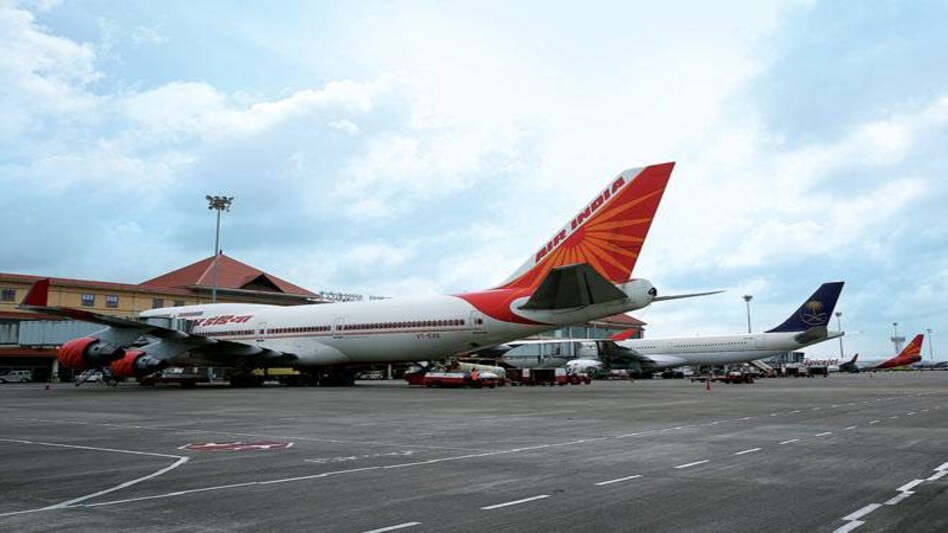
GoAir had entered into a memorandum of understanding (MoU) with Airbus for these aircraft at Farnborough International Airshow in July last year. Recently, there were reports that state-run carrier Air India is inducting 100 more aircraft to its existing fleet of 132 by 2020.
The multi-billion dollar orders ensure that passenger demand is adequately met; there are concerns over infrastructure constraints and manpower availability. Experts say that there's not enough parking and landing slots at the airports, it will be difficult to accommodate the newer ones. While some existing aircraft will find their way out over the next few years, the net addition (of aircraft) is still going to be significant.
According to aviation consultancy CAPA, India needs to build 50 new airports with an estimated investment of Rs 2.72 lakh crore to handle the growing air traffic. At present, some 67 per cent of the country's total air traffic is handled by metro cities - Delhi, Mumbai, Bengaluru, Chennai, Hyderabad and Kolkata. Many of these airports may reach saturation point in around five years. Even if additional runway and terminals are developed, each metro will require a second airport by 2025-2030.
Take the case of Delhi airport, its current capacity stands at around 45 million passengers, including Terminal 3 and Terminal 1D. Terminal 1D, which is already operating above its design capacity, is facing regular flight delays during peak hours. If the airport is expanded further, it could handle 85-90 million passengers which will be insufficient in the next 5-7 years. Hence, a second airport may be required. Last year, the civil aviation ministry gave site-clearance approval for airport in Bhiwadi (Rajasthan).
The condition of non-metro airports is no different. Airports in Ahmedabad, Pune, Lucknow, Patna, Jaipur, Nagpur, Mangalore and others have exceeded their design capacity and have limited potential to expand at their current sites.
Airlines are finding it hard to accommodate their existing fleet. Take Jet Airways, for instance. Last year, the airline had to reportedly replace some of its lower-capacity ATRs aircraft with wide-body aircraft at Mumbai airport to fly more passengers from the same assigned slots.
Experts say that most airlines have to postpone their deliveries if expansion of airports remains lumpier which is the case right now, and the expansion of fleet size may take longer than expected.
The aviation sector is firing on all cylinders. In 2016, a total of 99.88 million people flew with scheduled commercial airlines, a jump of 23.91 per cent over the previous year. In December, the air traffic peaked to 9.55 million, the highest for the entire 2016. The airlines, as a result, have lately swung into action to create sufficient supply.
SpiceJet, the fourth-largest carrier in terms of market share, have ordered 205 aircraft from Boeing, comprising of a firm order of 155 Boeing 737 MAX 8, and purchase rights for another 50 B737 MAX 8 and wide-body aircraft. Its competitor in the budget airline category, GoAir, too has firmed up order of 72 Airbus A320 neos (new engine option).
GoAir had entered into a memorandum of understanding (MoU) with Airbus for these aircraft at Farnborough International Airshow in July last year. Recently, there were reports that state-run carrier Air India is inducting 100 more aircraft to its existing fleet of 132 by 2020.
The multi-billion dollar orders ensure that passenger demand is adequately met; there are concerns over infrastructure constraints and manpower availability. Experts say that there's not enough parking and landing slots at the airports, it will be difficult to accommodate the newer ones. While some existing aircraft will find their way out over the next few years, the net addition (of aircraft) is still going to be significant.
According to aviation consultancy CAPA, India needs to build 50 new airports with an estimated investment of Rs 2.72 lakh crore to handle the growing air traffic. At present, some 67 per cent of the country's total air traffic is handled by metro cities - Delhi, Mumbai, Bengaluru, Chennai, Hyderabad and Kolkata. Many of these airports may reach saturation point in around five years. Even if additional runway and terminals are developed, each metro will require a second airport by 2025-2030.
Take the case of Delhi airport, its current capacity stands at around 45 million passengers, including Terminal 3 and Terminal 1D. Terminal 1D, which is already operating above its design capacity, is facing regular flight delays during peak hours. If the airport is expanded further, it could handle 85-90 million passengers which will be insufficient in the next 5-7 years. Hence, a second airport may be required. Last year, the civil aviation ministry gave site-clearance approval for airport in Bhiwadi (Rajasthan).
The condition of non-metro airports is no different. Airports in Ahmedabad, Pune, Lucknow, Patna, Jaipur, Nagpur, Mangalore and others have exceeded their design capacity and have limited potential to expand at their current sites.
Airlines are finding it hard to accommodate their existing fleet. Take Jet Airways, for instance. Last year, the airline had to reportedly replace some of its lower-capacity ATRs aircraft with wide-body aircraft at Mumbai airport to fly more passengers from the same assigned slots.
Experts say that most airlines have to postpone their deliveries if expansion of airports remains lumpier which is the case right now, and the expansion of fleet size may take longer than expected.