
MPC meet: Will RBI unveil measures to address liquidity deficit?
The liquidity conditions have tightened a bit in the banking system as it is witnessing a daily deficit of over Rs 1.5 lakh crore. On Feb 6, the liquidity deficit was Rs 1.48 lakh crore.
- Feb 7, 2024,
- Updated Feb 7, 2024 8:35 PM IST
With the backdrop of tightening liquidity, the Reserve Bank of India (RBI) is expected to take action to address the liquidity deficit issue at its latest monetary policy committee (MPC) meet.
There are expectations of extending variable rate repo auctions (VRR). The RBI conducts VRR auctions to inject very short-term liquidity, using collateral as security. These auctions typically offer funds at a slightly higher interest rate compared to the repo rate, which is currently at 6.5 percent.
The RBI's MPC is also expected to keep the repo rate unchanged.
The liquidity conditions have tightened a bit in the banking system as it is witnessing a daily deficit of over Rs 1.5 lakh crore. On Feb 6, the liquidity deficit was Rs 1.48 lakh crore. The liquidity deficit impact is also visible in the call money market where the call money rates are running above the repo rate.
WATCH: Economists' View: Will The MPC Hold The Repo Rate For The Sixth Time?
"The RBI may announce some measures to address the persistent liquidity challenge in the banking system. They have already started conducting VRR auctions to provide liquidity for short durations. However, this is a temporary solution and will not be effectively solve durable liquidity shortages," said Pankaj Pathak, Fund Manager at Quantum Asset Management.
Ajit Banerjee, Chief Investment Officer of Shriram Life Insurance, said, "the RBI will likely continue actively managing short-term liquidity through measures such as VRRs, reaffirming its commitment to liquidity management."
Pathak said that the RBI might announce LTROs (long term repo operations) or FX swaps to infuse liquidity in a time bound manner.
The other option could be to do VRR auctions for a tenor beyond 14 days. Rating agency CareEdge also believes that there is a likelihood of considering an extension in the tenor of VRR auctions.
Some experts suggest that the RBI will continue to maintain a tight liquidity stance to manage inflation.
WATCH: What Is The Likely Outcome Of RBI Monetary Policy Committee Meeting?
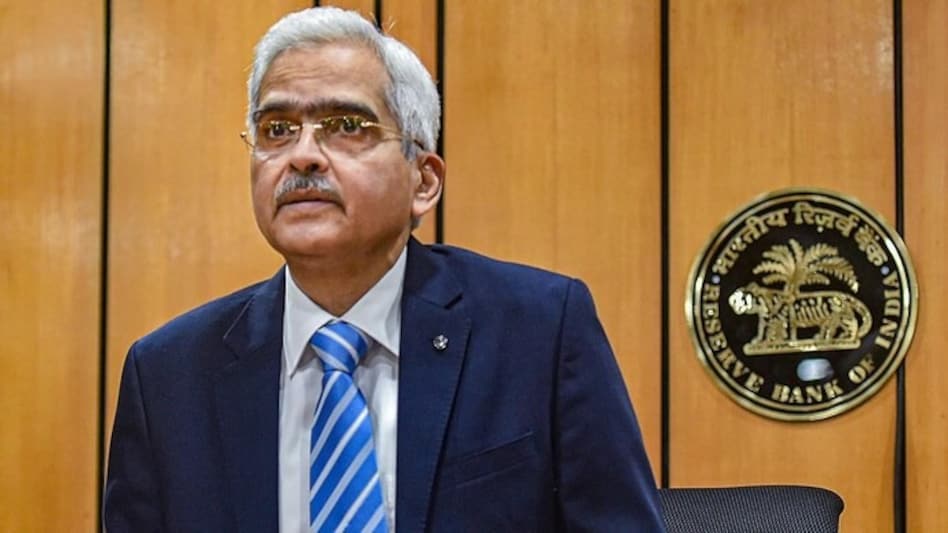
RBI Governor Shaktikanta Das, speaking at a Davos event, has also dropped some hints. He mentioned that going forward, the inflation outlook would be considerably influenced by food prices, which remain uncertain. "Recurring food price shocks could lead to the de-anchoring of inflation expectations and the generalization of price pressures. Monetary policy, amidst these uncertainties, needs to be alert and remain actively disinflationary to steer inflation towards the target rate of 4 percent on a durable basis," said the Governor.
"Needless to add, stable inflation will provide the bedrock for India’s growth ambitions," he added.
"Despite systemic liquidity persisting in deficit, durable liquidity remains positive, primarily due to higher surplus government cash balances with the RBI. The existing deficit in systemic liquidity is primarily attributed to reduced government spending and advance tax outflows," said CareEdge.
"An uptick in government spending in the upcoming days is expected to alleviate the deficit in systemic liquidity to some extent. However, the overall liquidity condition is expected to remain tight," believes CareEdge.
In its December report, the RBI mentioned that the system's available money, measured by the net position under the liquidity adjustment facility (LAF), went into deficit mode in September 2023. This hadn't happened since May 2019, around four and a half years earlier.
RBI explained that the overall tightening of money availability was mainly due to more money being taken out of the system during the festive season, government cash reserves, and the Reserve Bank's activities in the market. "Because of these reasons, there was less money available in the system compared to what was expected back in October 2023," reasoned RBI.
"Consequently, the need to undertake auction of OMO ( open market operations) sales has not arisen so far. The evolution of liquidity conditions has been in alignment with the monetary policy stance. More recently, however, as government spending has picked up and system liquidity has got more evenly balanced among market participants, pressures have eased and the net LAF position has evened out broadly,"stated RBI.
The RBI uses OMOs to adjust the amount of money available in the market for durable basis or for a longer period. When the central bank wants to put more money into the financial system, it buys government securities from the open market.
With the backdrop of tightening liquidity, the Reserve Bank of India (RBI) is expected to take action to address the liquidity deficit issue at its latest monetary policy committee (MPC) meet.
There are expectations of extending variable rate repo auctions (VRR). The RBI conducts VRR auctions to inject very short-term liquidity, using collateral as security. These auctions typically offer funds at a slightly higher interest rate compared to the repo rate, which is currently at 6.5 percent.
The RBI's MPC is also expected to keep the repo rate unchanged.
The liquidity conditions have tightened a bit in the banking system as it is witnessing a daily deficit of over Rs 1.5 lakh crore. On Feb 6, the liquidity deficit was Rs 1.48 lakh crore. The liquidity deficit impact is also visible in the call money market where the call money rates are running above the repo rate.
WATCH: Economists' View: Will The MPC Hold The Repo Rate For The Sixth Time?
"The RBI may announce some measures to address the persistent liquidity challenge in the banking system. They have already started conducting VRR auctions to provide liquidity for short durations. However, this is a temporary solution and will not be effectively solve durable liquidity shortages," said Pankaj Pathak, Fund Manager at Quantum Asset Management.
Ajit Banerjee, Chief Investment Officer of Shriram Life Insurance, said, "the RBI will likely continue actively managing short-term liquidity through measures such as VRRs, reaffirming its commitment to liquidity management."
Pathak said that the RBI might announce LTROs (long term repo operations) or FX swaps to infuse liquidity in a time bound manner.
The other option could be to do VRR auctions for a tenor beyond 14 days. Rating agency CareEdge also believes that there is a likelihood of considering an extension in the tenor of VRR auctions.
Some experts suggest that the RBI will continue to maintain a tight liquidity stance to manage inflation.
WATCH: What Is The Likely Outcome Of RBI Monetary Policy Committee Meeting?
RBI Governor Shaktikanta Das, speaking at a Davos event, has also dropped some hints. He mentioned that going forward, the inflation outlook would be considerably influenced by food prices, which remain uncertain. "Recurring food price shocks could lead to the de-anchoring of inflation expectations and the generalization of price pressures. Monetary policy, amidst these uncertainties, needs to be alert and remain actively disinflationary to steer inflation towards the target rate of 4 percent on a durable basis," said the Governor.
"Needless to add, stable inflation will provide the bedrock for India’s growth ambitions," he added.
"Despite systemic liquidity persisting in deficit, durable liquidity remains positive, primarily due to higher surplus government cash balances with the RBI. The existing deficit in systemic liquidity is primarily attributed to reduced government spending and advance tax outflows," said CareEdge.
"An uptick in government spending in the upcoming days is expected to alleviate the deficit in systemic liquidity to some extent. However, the overall liquidity condition is expected to remain tight," believes CareEdge.
In its December report, the RBI mentioned that the system's available money, measured by the net position under the liquidity adjustment facility (LAF), went into deficit mode in September 2023. This hadn't happened since May 2019, around four and a half years earlier.
RBI explained that the overall tightening of money availability was mainly due to more money being taken out of the system during the festive season, government cash reserves, and the Reserve Bank's activities in the market. "Because of these reasons, there was less money available in the system compared to what was expected back in October 2023," reasoned RBI.
"Consequently, the need to undertake auction of OMO ( open market operations) sales has not arisen so far. The evolution of liquidity conditions has been in alignment with the monetary policy stance. More recently, however, as government spending has picked up and system liquidity has got more evenly balanced among market participants, pressures have eased and the net LAF position has evened out broadly,"stated RBI.
The RBI uses OMOs to adjust the amount of money available in the market for durable basis or for a longer period. When the central bank wants to put more money into the financial system, it buys government securities from the open market.