
PNB, Canara and three other banks likely to be put under RBI's prompt corrective action: ICRA
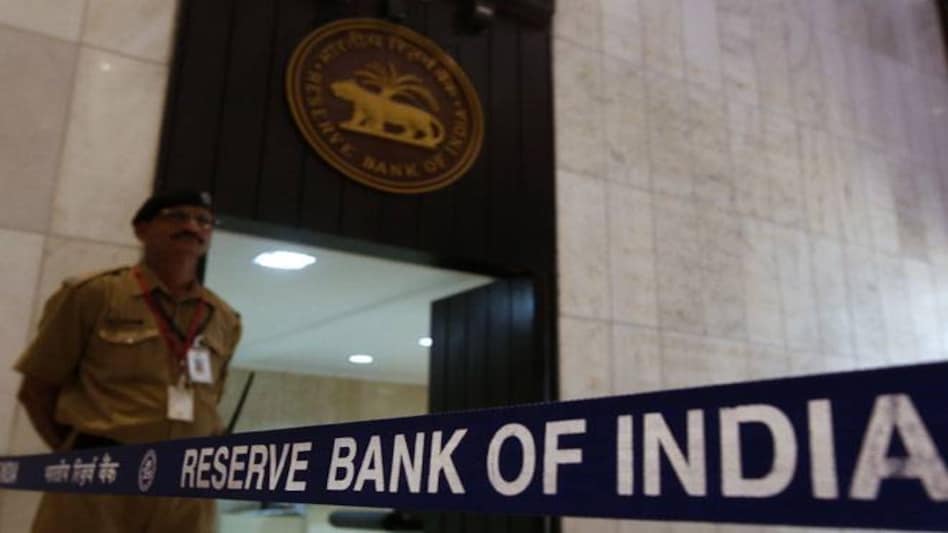
Having posted mounting losses during the last three years, 11 out of the 21 public-sector banks (PSBs) have already been placed under the Prompt Corrective Action (PCA) framework by the Reserve Bank of India.
- Mar 5, 2018,
- Updated Mar 5, 2018 12:08 PM IST
Having posted mounting losses during the last three years, 11 out of the 21 public-sector banks (PSBs) have already been placed under the Prompt Corrective Action (PCA) framework by the Reserve Bank of India. According to rating agency ICRA, 5 more PSBs - Punjab National Bank, Union Bank of India, Canara Bank, Andhra Bank and Punjab and Sind Bank - might join the PCA list in the near future.
The PCA framework is one of the RBI's supervisory tools, which involves monitoring of certain performance indicators of the banks as an early warning exercise and is initiated once certain thresholds relating to capital, asset quality etc. are breached. Its objective is to facilitate the banks to take corrective measures in a timely manner in order to restore their financial health. The apex bank has previously invoked PCA on banks like Indian Overseas Bank, IDBI Bank, Corporation Bank, Central Bank of India, United Bank of India, Bank of Maharashtra, Oriental Bank of Commerce and Bank of India, all of which have posted Net Non-Performing Advances (NNPA) ratios of over 9%.
The 5 additional banks flagged off by the rating agency posted NNPA ratios in the range of 6.3% to 7.8%, which as per the revised PCA framework falls under the Risk Threshold 1 category. Other factors that can trigger PCA include capital adequacy ratio (CAR) and return on assets (RoA). As pointed out by The Business Standard, should the RBI decide to place these banks under the PCA framework, the action may drive these banks to recall additional tier-I (AT-I) bonds.
According to ICRA, over the past 4 years, PSBs have raised AT-I bonds totalling Rs 60, 3851 crore to shore-up their Tier-I capital ratios in the backdrop of losses, increasing capital requirements under Basel III and limited capital infusion by the Government of India (GoI) in relation to their requirements. "Inclusion in PCA, coupled with recapitalisation of PSBs by the government has triggered a 'regulatory event' and an early recall of AT-I bonds" by these banks, says the report. Of the 11 PSBs in the PCA list, 10 have issued AT-I, collectively pegged at Rs 21,900 crore, which are likely to be called off during the next few weeks. If PNB, Canara Bank and the three other banks mentioned above join the ranks, we are looking at an additional recall of Rs 15,700 crore of AT-I bonds.
Earlier, during January 2018, the government had instructed the PSBs to not issue AT-I without its prior approval. "Accordingly, the weak banks will require to raise equity capital to meet their overall Tier I requirements, which otherwise could have been met through AT-I bonds. With huge losses during the last three years, the ability of the PSBs to service these AT-I bonds had been steadily weakening," explains the report. So "Tier I capital ratios are likely to weaken in relation to regulatory requirements" upon an early recall.
The report sums up saying that "Some of the investors who could have bought these bonds from the secondary market at a premium (higher than face value), may stand to lose as the early redemption by banks is likely to be done at face value. However, with riskier features like the "write-down" clause in these bonds, it may be a positive for investors of AT-I bonds issued by the weaker PSBs."
Having posted mounting losses during the last three years, 11 out of the 21 public-sector banks (PSBs) have already been placed under the Prompt Corrective Action (PCA) framework by the Reserve Bank of India. According to rating agency ICRA, 5 more PSBs - Punjab National Bank, Union Bank of India, Canara Bank, Andhra Bank and Punjab and Sind Bank - might join the PCA list in the near future.
The PCA framework is one of the RBI's supervisory tools, which involves monitoring of certain performance indicators of the banks as an early warning exercise and is initiated once certain thresholds relating to capital, asset quality etc. are breached. Its objective is to facilitate the banks to take corrective measures in a timely manner in order to restore their financial health. The apex bank has previously invoked PCA on banks like Indian Overseas Bank, IDBI Bank, Corporation Bank, Central Bank of India, United Bank of India, Bank of Maharashtra, Oriental Bank of Commerce and Bank of India, all of which have posted Net Non-Performing Advances (NNPA) ratios of over 9%.
The 5 additional banks flagged off by the rating agency posted NNPA ratios in the range of 6.3% to 7.8%, which as per the revised PCA framework falls under the Risk Threshold 1 category. Other factors that can trigger PCA include capital adequacy ratio (CAR) and return on assets (RoA). As pointed out by The Business Standard, should the RBI decide to place these banks under the PCA framework, the action may drive these banks to recall additional tier-I (AT-I) bonds.
According to ICRA, over the past 4 years, PSBs have raised AT-I bonds totalling Rs 60, 3851 crore to shore-up their Tier-I capital ratios in the backdrop of losses, increasing capital requirements under Basel III and limited capital infusion by the Government of India (GoI) in relation to their requirements. "Inclusion in PCA, coupled with recapitalisation of PSBs by the government has triggered a 'regulatory event' and an early recall of AT-I bonds" by these banks, says the report. Of the 11 PSBs in the PCA list, 10 have issued AT-I, collectively pegged at Rs 21,900 crore, which are likely to be called off during the next few weeks. If PNB, Canara Bank and the three other banks mentioned above join the ranks, we are looking at an additional recall of Rs 15,700 crore of AT-I bonds.
Earlier, during January 2018, the government had instructed the PSBs to not issue AT-I without its prior approval. "Accordingly, the weak banks will require to raise equity capital to meet their overall Tier I requirements, which otherwise could have been met through AT-I bonds. With huge losses during the last three years, the ability of the PSBs to service these AT-I bonds had been steadily weakening," explains the report. So "Tier I capital ratios are likely to weaken in relation to regulatory requirements" upon an early recall.
The report sums up saying that "Some of the investors who could have bought these bonds from the secondary market at a premium (higher than face value), may stand to lose as the early redemption by banks is likely to be done at face value. However, with riskier features like the "write-down" clause in these bonds, it may be a positive for investors of AT-I bonds issued by the weaker PSBs."