
RBI faces new threat: UK, Canada, other advanced economies enter interest rate easing cycle
RBI monetary policy: With an inflation projection in the current fiscal at 4.5 per cent, well above the target mandated by the Parliament, a rate cut in fiscal 2024-25 looks highly unlikely.
- Aug 8, 2024,
- Updated Aug 8, 2024 4:39 PM IST
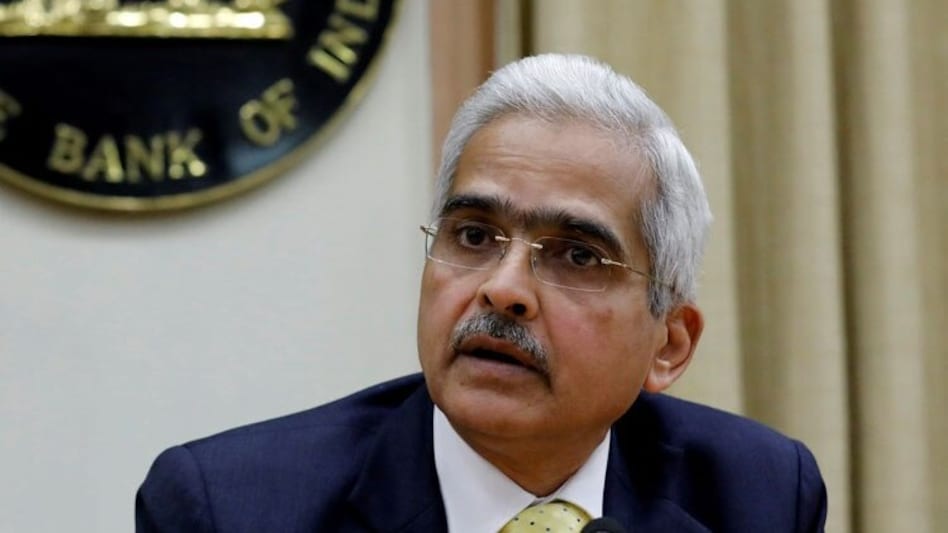
The Reserve Bank of India (RBI) under Governor Shaktikanta Das remains laser-focused on the inflation target of 4.0 per cent, particularly amid persistent food inflation pressures. "The public at large understands inflation more in terms of food inflation than the other components of headline inflation. Therefore, we cannot and should not become complacent merely because core inflation has fallen considerably," the Governor said.
With an inflation projection in the current fiscal at 4.5 per cent, well above the target mandated by the Parliament, a rate cut in fiscal 2024-25 looks highly unlikely.
Now a new challenge is emerging on the global front.
It's not geopolitics but the interest rate softening by advanced economies. Theoretically, any rate cut abroad will widen the interest rate differential, with global money flowing into the Indian economy, potentially appreciating the rupee and making exports more expensive. But it is easier said than done. The central bank has tools to manage the currency and other related spillovers.
The Bank of England recently made its first interest rate cut in over four years, bringing the key rate to 5.0 per cent. The European Central Bank (ECB) is expected to cut rates by 0.5 percentage points at its September meeting. The RBI Governor acknowledged this development in his statement.
“Several central banks are cautiously moving towards policy pivots through forward guidance and rate cuts; at the same time, there has been tightening by a few central banks,” the Governor noted. He mentioned that the UK, Canada, Switzerland, and the Czech Republic, among advanced economies (AEs), and China, Chile, Colombia, Hungary, Romania, and Sri Lanka, among emerging market economies (EMEs), have cut their policy rates. Japan and Russia, on the other hand, have raised their benchmark rates.
Dharmakirti Joshi, Chief Economist at CRISIL, says that monetary policy expectations from the most influential central bank in the world, the US Federal Reserve, are becoming less restrictive for emerging markets. The ECB and Bank of England (BOE) have already initiated rate cuts. "The Fed is now expected to begin cutting rates next month due to cooling labor markets," says Joshi.
"We need to watch out for Fed action in September when a rate cut is near certain, which will set the stage for our own likely cut by December," says Anu Aggarwal, Head of Corporate Banking at Kotak Mahindra Bank.
The fears of a recession in the US economy have created conditions for a potential rate cut by the US Federal Reserve. The US Fed rate, the benchmark short-term lending rate, is currently around 5.25-5.50 per cent, while the RBI's benchmark repo rate stands at 6.5 per cent. This differential between the two is at a historic low, and any cut in the Fed rate could increase the interest rate differential.
Indranil Pan, Chief Economist at YES Bank, believes that recent rumblings in the global financial markets and expectations for the US Fed to be aggressive in its rate-cutting cycle have failed to sway the RBI away from its views on how monetary policy needs to be conducted in India. "I think the RBI was a tad more hawkish than in the previous MPC, probably to firmly establish in the minds of the market that it should not expect any rate cuts soon," says Pan.
The Governor also under played the concerns. "Overall economic growth in US is doing quite well. So far as the unemployment data is concerned, it's a one-month data. Based on it , you cannot rush to conclude on likely recession," said Governor in the media conference.
Debopam Chaudhuri, Chief Economist of the Piramal Group, says that after today’s decision, India is positioned as an outlier in its interest rate stance among the top economies. "Most major economies like the US, Euro region, and UK are facing high core inflation and low food inflation, unlike in India. Despite that, there has been a shift towards dovish messaging. Japan was the only other major economy, apart from India, where food inflation is driving overall inflation. After the recent market fallout, BoJ is also sending dovish signals once again," says Chaudhuri.
"I hope RBI can pivot at the most opportune moment to avoid falling behind the curve," adds Chaudhuri.
"Global factors such as rising interest rates in Japan, geopolitical instability in the Middle East, the rate cut by the Bank of England, and the timing of the rate cut by the US Fed will influence the future monetary policy stance of RBI," says Deepak Ramaraju, Senior Fund Manager at Shriram AMC.
The Reserve Bank of India (RBI) under Governor Shaktikanta Das remains laser-focused on the inflation target of 4.0 per cent, particularly amid persistent food inflation pressures. "The public at large understands inflation more in terms of food inflation than the other components of headline inflation. Therefore, we cannot and should not become complacent merely because core inflation has fallen considerably," the Governor said.
With an inflation projection in the current fiscal at 4.5 per cent, well above the target mandated by the Parliament, a rate cut in fiscal 2024-25 looks highly unlikely.
Now a new challenge is emerging on the global front.
It's not geopolitics but the interest rate softening by advanced economies. Theoretically, any rate cut abroad will widen the interest rate differential, with global money flowing into the Indian economy, potentially appreciating the rupee and making exports more expensive. But it is easier said than done. The central bank has tools to manage the currency and other related spillovers.
The Bank of England recently made its first interest rate cut in over four years, bringing the key rate to 5.0 per cent. The European Central Bank (ECB) is expected to cut rates by 0.5 percentage points at its September meeting. The RBI Governor acknowledged this development in his statement.
“Several central banks are cautiously moving towards policy pivots through forward guidance and rate cuts; at the same time, there has been tightening by a few central banks,” the Governor noted. He mentioned that the UK, Canada, Switzerland, and the Czech Republic, among advanced economies (AEs), and China, Chile, Colombia, Hungary, Romania, and Sri Lanka, among emerging market economies (EMEs), have cut their policy rates. Japan and Russia, on the other hand, have raised their benchmark rates.
Dharmakirti Joshi, Chief Economist at CRISIL, says that monetary policy expectations from the most influential central bank in the world, the US Federal Reserve, are becoming less restrictive for emerging markets. The ECB and Bank of England (BOE) have already initiated rate cuts. "The Fed is now expected to begin cutting rates next month due to cooling labor markets," says Joshi.
"We need to watch out for Fed action in September when a rate cut is near certain, which will set the stage for our own likely cut by December," says Anu Aggarwal, Head of Corporate Banking at Kotak Mahindra Bank.
The fears of a recession in the US economy have created conditions for a potential rate cut by the US Federal Reserve. The US Fed rate, the benchmark short-term lending rate, is currently around 5.25-5.50 per cent, while the RBI's benchmark repo rate stands at 6.5 per cent. This differential between the two is at a historic low, and any cut in the Fed rate could increase the interest rate differential.
Indranil Pan, Chief Economist at YES Bank, believes that recent rumblings in the global financial markets and expectations for the US Fed to be aggressive in its rate-cutting cycle have failed to sway the RBI away from its views on how monetary policy needs to be conducted in India. "I think the RBI was a tad more hawkish than in the previous MPC, probably to firmly establish in the minds of the market that it should not expect any rate cuts soon," says Pan.
The Governor also under played the concerns. "Overall economic growth in US is doing quite well. So far as the unemployment data is concerned, it's a one-month data. Based on it , you cannot rush to conclude on likely recession," said Governor in the media conference.
Debopam Chaudhuri, Chief Economist of the Piramal Group, says that after today’s decision, India is positioned as an outlier in its interest rate stance among the top economies. "Most major economies like the US, Euro region, and UK are facing high core inflation and low food inflation, unlike in India. Despite that, there has been a shift towards dovish messaging. Japan was the only other major economy, apart from India, where food inflation is driving overall inflation. After the recent market fallout, BoJ is also sending dovish signals once again," says Chaudhuri.
"I hope RBI can pivot at the most opportune moment to avoid falling behind the curve," adds Chaudhuri.
"Global factors such as rising interest rates in Japan, geopolitical instability in the Middle East, the rate cut by the Bank of England, and the timing of the rate cut by the US Fed will influence the future monetary policy stance of RBI," says Deepak Ramaraju, Senior Fund Manager at Shriram AMC.