
RBI to resume licensing urban cooperative banks after 22-year pause
The RBI had announced the decision to examine the possibility of resuming new UCB licences last year.
- Aug 5, 2026,
- Updated Aug 5, 2026 3:12 PM IST
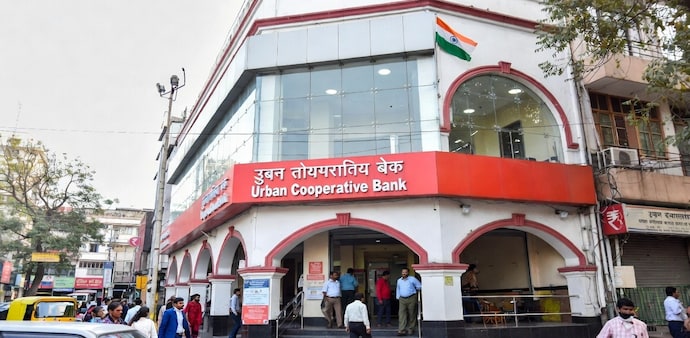
The Reserve Bank of India will resume the licensing of urban cooperative banks after a pause of more than two decades. Governor Sanjay Malhotra said that they will also have a comprehensive review of the credit monitoring arrangement for rural cooperative banks.
Announcing the measures at the Monetary Committee Policy decision address, the Governor said, “I propose two measures to further strengthen the cooperative sector: One, on the basis of the feedback received on the discussion paper on licensing of UCBs, we are issuing draft guidelines for resuming licensing of UCBs; and Two, in light of the experience gained and the developments since 2008 when the Credit Monitoring Arrangement for Rural Cooperative Banks was last revised, we are issuing draft directions after undertaking a comprehensive review of the arrangement.”
MUST READ | Will UPI payments incur a charge? Here is what the RBI Governor says
The RBI had put licensing of UCBs on hold in 2004 after it found that a large number of licenced UCBs turned financially unsound within a short period. It had, last year on October 1, announced the decision to examine the possibility of resuming new UCB licences.
It had then said that the decision was taken “considering the positive developments in the sector during the last two decades and in response to the growing demand from the stakeholders”.
This year too the apex bank had cancelled the licence of UCBs like Yashwant Co-operative Bank and Shree Mahalaxmi Urban Co-operative Credit Bank.
The RBI Governor also said during the announcements that they are proposing to “harmonise and standardise the regulatory framework on interest rates on advances for all regulated entities”.
The Reserve Bank of India will resume the licensing of urban cooperative banks after a pause of more than two decades. Governor Sanjay Malhotra said that they will also have a comprehensive review of the credit monitoring arrangement for rural cooperative banks.
Announcing the measures at the Monetary Committee Policy decision address, the Governor said, “I propose two measures to further strengthen the cooperative sector: One, on the basis of the feedback received on the discussion paper on licensing of UCBs, we are issuing draft guidelines for resuming licensing of UCBs; and Two, in light of the experience gained and the developments since 2008 when the Credit Monitoring Arrangement for Rural Cooperative Banks was last revised, we are issuing draft directions after undertaking a comprehensive review of the arrangement.”
MUST READ | Will UPI payments incur a charge? Here is what the RBI Governor says
The RBI had put licensing of UCBs on hold in 2004 after it found that a large number of licenced UCBs turned financially unsound within a short period. It had, last year on October 1, announced the decision to examine the possibility of resuming new UCB licences.
It had then said that the decision was taken “considering the positive developments in the sector during the last two decades and in response to the growing demand from the stakeholders”.
This year too the apex bank had cancelled the licence of UCBs like Yashwant Co-operative Bank and Shree Mahalaxmi Urban Co-operative Credit Bank.
The RBI Governor also said during the announcements that they are proposing to “harmonise and standardise the regulatory framework on interest rates on advances for all regulated entities”.