
Pressure on other big banks to follow SBI, reduce lending rate for new borrowers
Four months ago when the largest bank, State Bank of India (SBI), reduced the savings rate from 4 per cent to 3.5 per cent, other large banks reacted immediately and reduced their savings rate by 10 to 50 basis points.
- Nov 2, 2017,
- Updated Nov 2, 2017 7:02 PM IST
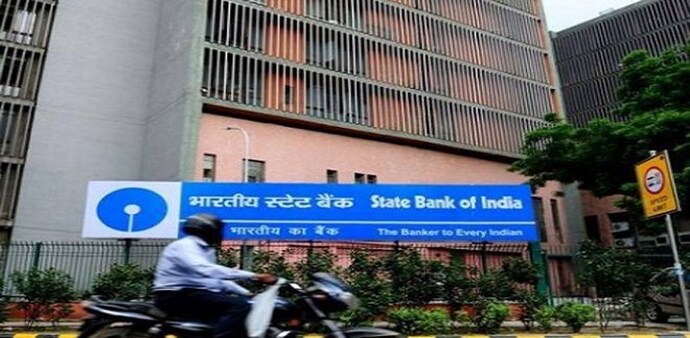
Four months ago when the largest bank, State Bank of India (SBI), reduced the savings rate from 4 per cent to 3.5 per cent, other large banks reacted immediately and reduced their savings rate by 10 to 50 basis points. Now that the SBI has reduced the lending rate for new borrowers by reducing the marginal cost of lending rate (MCLR) rate by 10 basis points to 7.95 per cent for a year, there is, however, a complete silence from other banks. They follow it later with a cut.
ICICI Bank has a MCLR rate of 8.20 per cent for one year , which was last reduced in January 2017. Another private sector bank, Axis Bank has also reduced its MCLR to 8.25 per cent in January this year. Bank of India (BoI) tinkered with its MCLR in September this year, when it reduced its rate from 8.40 per cent to 8.30 per cent. Experts says the other banks will be forced to reduce MCLR rate because of the reduction in incremental cost of borrowing -- the savings bank rate has been cut by a massive 50 basis points.
For MCLR rate calculation, apart from borrowing costs (savings, current and fixed deposits), the banks also consider the repo rate, the rate at which banks borrow from RBI for meeting their temporary fund mismatches. The repo rate is at 6.25 per cent. The RBI has slashed the repo rate by 250 basis points since January 2015 from 8.75 per cent to 6.25 per cent. This transmission hasn't taken place fully as banks tend to protect their margins i.e reduce the borrowing cost as much as they can, but delay the lending rate cuts as far as they can.
Clearly, the borrowing cost for banks has been going down because of surplus liquidity post demonetisation. The banks - flush with funds - don't have many avenues to lend except retail banking. Therefore, it make sense to rely less on the high cost deposits by reducing the savings and fixed deposit rates. In August this year, ICICI Bank, Axis Bank and PSBs reduced their savings rate by a hefty 50 basis points. ICICI Bank reduced its savings rate to 3.5 per cent for deposits of less than Rs 50 lakhs.
The RBI had introduced the new MCLR rate in April last year. The RBI is already reworking or revising the calculation of MCLR as the banks are taking time for transmitting the rates.
Four months ago when the largest bank, State Bank of India (SBI), reduced the savings rate from 4 per cent to 3.5 per cent, other large banks reacted immediately and reduced their savings rate by 10 to 50 basis points. Now that the SBI has reduced the lending rate for new borrowers by reducing the marginal cost of lending rate (MCLR) rate by 10 basis points to 7.95 per cent for a year, there is, however, a complete silence from other banks. They follow it later with a cut.
ICICI Bank has a MCLR rate of 8.20 per cent for one year , which was last reduced in January 2017. Another private sector bank, Axis Bank has also reduced its MCLR to 8.25 per cent in January this year. Bank of India (BoI) tinkered with its MCLR in September this year, when it reduced its rate from 8.40 per cent to 8.30 per cent. Experts says the other banks will be forced to reduce MCLR rate because of the reduction in incremental cost of borrowing -- the savings bank rate has been cut by a massive 50 basis points.
For MCLR rate calculation, apart from borrowing costs (savings, current and fixed deposits), the banks also consider the repo rate, the rate at which banks borrow from RBI for meeting their temporary fund mismatches. The repo rate is at 6.25 per cent. The RBI has slashed the repo rate by 250 basis points since January 2015 from 8.75 per cent to 6.25 per cent. This transmission hasn't taken place fully as banks tend to protect their margins i.e reduce the borrowing cost as much as they can, but delay the lending rate cuts as far as they can.
Clearly, the borrowing cost for banks has been going down because of surplus liquidity post demonetisation. The banks - flush with funds - don't have many avenues to lend except retail banking. Therefore, it make sense to rely less on the high cost deposits by reducing the savings and fixed deposit rates. In August this year, ICICI Bank, Axis Bank and PSBs reduced their savings rate by a hefty 50 basis points. ICICI Bank reduced its savings rate to 3.5 per cent for deposits of less than Rs 50 lakhs.
The RBI had introduced the new MCLR rate in April last year. The RBI is already reworking or revising the calculation of MCLR as the banks are taking time for transmitting the rates.