
Why SBI buying loan books of NBFCs makes business sense
It may appear that SBI is coming to bailout the NBFCs, but it can be a win-win situation for both and will also help SBI to improve its retail portfolio.
- Oct 16, 2018,
- Updated Oct 16, 2018 4:01 PM IST
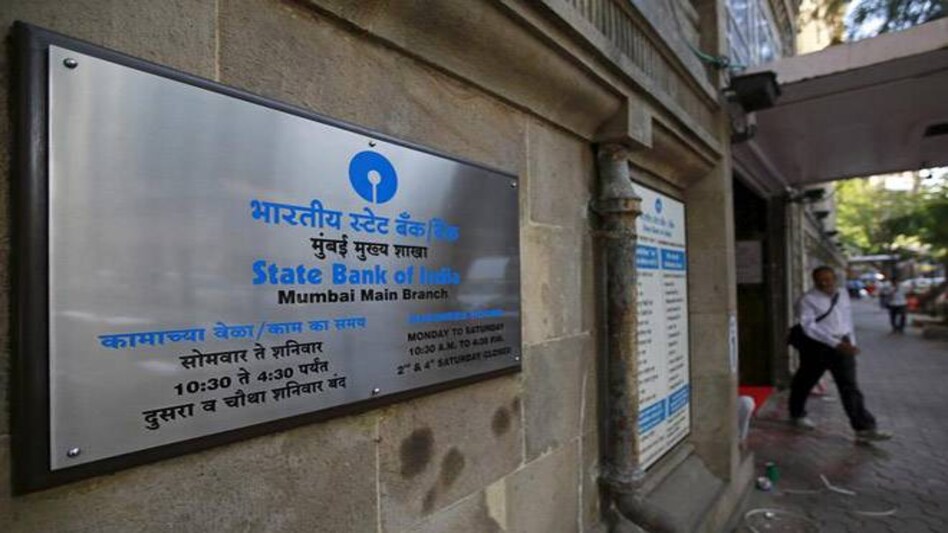
Financial market in India is still trying to settle the dust after payment defaults by infrastructure financer IL&FS triggered liquidity crisis across the Non Banking Financial Institutions (NBFCs). But, before it could pose a systematic risk, government got into action by dissolving the old board of IL&FS and constituting a new board with a task to rescue the firm and prevent any further defaults. This event led to many investors and analysts becoming sceptical about the liquidity and Asset Liability Management (ALM) of all NBFCs. This led to a series of corrections in the stock market valuation of these companies, which can still be revised downwards. To assuage the market sentiment, India's biggest lender State Bank of India (SBI) announced a bigger shopping kitty to buy loan portfolios of struggling NBFCs facing ALM mismatch after the crisis hit the market.
While government's push behind the SBI's move to stabilise the market, cannot be ruled out, it could be a well-timed opportunity for many public sector banks. Whenever the market faces a correction, those sitting with comfortable cash prefer bottom-fishing. Sensing the opportunity, SBI tripled its target to acquire asset portfolio of non-banking finance companies this year. SBI had set a target of Rs 15,000 crore for this year. Now, it may buy additional assets worth Rs 20,000 to 30,000 crore, as per the bank statement.
As per Reserve Bank of India (RBI)'s mandate, banks have to lend 40 per cent of their total loan portfolio to priority sectors including agriculture, micro enterprises, education, social housing, etc. Therefore, it is a regular practice where SBI buys loan portfolio from other banks and NBFCs to fulfil the mandated target by the RBI. Generally, it happens in the last quarter of the financial year.
NBFCs to get short term respite
NBFCs can offload part of their portfolio to reduce the dependence on short term papers, which are not finding many takers due to the fear of default in the market. Hence, tightening the liquidity conditions for them and creating asset liability mismatch. Economic Secretary Subhash Chandra Garg has said in a tweet that SBI's decision will alleviate the liquidity concerns of NBFCs to a great extent.
Cherry-picking by SBI
It may appear that SBI is coming to bailout the NBFCs, but it can be a win-win situation for both and will also help SBI to improve its retail portfolio.
"Currently, SBI is positioned in such a way that they do have enough cash and liquidity. It is said that it will give an opportunity for SBI to expand portfolio at attractive rates. By this move, NBFCs will get liquidity and SBI will get assets with higher yield probability than usual," says Pritam Deuskar, Fund Manager, Bonanza Portfolio.
SBI can do selective buying to choose the quality portfolio. Infra and corporate sector lending has been a cause for the pain for SBI with highest non-performing assets (NPAs). This move will help improve the retail portfolio, which generally has lower delinquencies.
"India-Ratings has analysed the top eight housing finance companies (HFCs; excluding HDFC Ltd and LIC Housing Finance Limited) and the top 10 non-infrastructure NBFCs. Of the total, 16 entities (are among the largest NBFCs) have about Rs 5 trillion exposures to asset classes that are preferred (most common are microfinance, commercial vehicles, housing loans etc) for assignment or securitisation," says Soumyajit Niyogi, Associate Director,India Ratings and Research. However, SBI has not yet disclosed the sector wise target and it can be both priority and non-priority sectors.
"Though the total target is 45000 crore, It would be a mix of home finance and SME loans," says Pritam Deuskar, Fund Manager, Bonanza Portfolio.
Before the merger with associate banks last year, the home loan book stood at Rs 2.22 lakh crore in March 2017. Despite being the biggest lender of the country, SBI was much behind HDFC when it came to home loans as HDFC asset size stood at Rs 3.38 crore in March 2017. While it was widely expected that the SBI would largely bridge the gap, it is yet to materialise. SBI retail home loan portfolio, even after the recent merger of five associate banks, stood at Rs 3.20 lakh crore as on June-end 2018 while that of HDFC Ltd was 3.71 lakh crore. Therefore, this is the right opportunity for SBI to do cherry-picking to increase the retail portfolio and diversify across assets through in-organic route.
"As opposed to the asset classes, which are typically securitised or assigned, originating granular housing loans, commercial vehicle loans and other such asset classes involves significant operating costs and banks may not have the adequate network to originate them or assess credit quality on a large scale. In the current environment, banks could cherry-pick assets from NBFCs and price them well instead of originating them, thus avoiding scope for early delinquencies. This proposition is likely to result in better RoAs for banks on both priority sector lending qualifying assets and others that are securitised / assigned, " says Soumyajit Niyogi, Associate Director, India Ratings and Research.
Financial market in India is still trying to settle the dust after payment defaults by infrastructure financer IL&FS triggered liquidity crisis across the Non Banking Financial Institutions (NBFCs). But, before it could pose a systematic risk, government got into action by dissolving the old board of IL&FS and constituting a new board with a task to rescue the firm and prevent any further defaults. This event led to many investors and analysts becoming sceptical about the liquidity and Asset Liability Management (ALM) of all NBFCs. This led to a series of corrections in the stock market valuation of these companies, which can still be revised downwards. To assuage the market sentiment, India's biggest lender State Bank of India (SBI) announced a bigger shopping kitty to buy loan portfolios of struggling NBFCs facing ALM mismatch after the crisis hit the market.
While government's push behind the SBI's move to stabilise the market, cannot be ruled out, it could be a well-timed opportunity for many public sector banks. Whenever the market faces a correction, those sitting with comfortable cash prefer bottom-fishing. Sensing the opportunity, SBI tripled its target to acquire asset portfolio of non-banking finance companies this year. SBI had set a target of Rs 15,000 crore for this year. Now, it may buy additional assets worth Rs 20,000 to 30,000 crore, as per the bank statement.
As per Reserve Bank of India (RBI)'s mandate, banks have to lend 40 per cent of their total loan portfolio to priority sectors including agriculture, micro enterprises, education, social housing, etc. Therefore, it is a regular practice where SBI buys loan portfolio from other banks and NBFCs to fulfil the mandated target by the RBI. Generally, it happens in the last quarter of the financial year.
NBFCs to get short term respite
NBFCs can offload part of their portfolio to reduce the dependence on short term papers, which are not finding many takers due to the fear of default in the market. Hence, tightening the liquidity conditions for them and creating asset liability mismatch. Economic Secretary Subhash Chandra Garg has said in a tweet that SBI's decision will alleviate the liquidity concerns of NBFCs to a great extent.
Cherry-picking by SBI
It may appear that SBI is coming to bailout the NBFCs, but it can be a win-win situation for both and will also help SBI to improve its retail portfolio.
"Currently, SBI is positioned in such a way that they do have enough cash and liquidity. It is said that it will give an opportunity for SBI to expand portfolio at attractive rates. By this move, NBFCs will get liquidity and SBI will get assets with higher yield probability than usual," says Pritam Deuskar, Fund Manager, Bonanza Portfolio.
SBI can do selective buying to choose the quality portfolio. Infra and corporate sector lending has been a cause for the pain for SBI with highest non-performing assets (NPAs). This move will help improve the retail portfolio, which generally has lower delinquencies.
"India-Ratings has analysed the top eight housing finance companies (HFCs; excluding HDFC Ltd and LIC Housing Finance Limited) and the top 10 non-infrastructure NBFCs. Of the total, 16 entities (are among the largest NBFCs) have about Rs 5 trillion exposures to asset classes that are preferred (most common are microfinance, commercial vehicles, housing loans etc) for assignment or securitisation," says Soumyajit Niyogi, Associate Director,India Ratings and Research. However, SBI has not yet disclosed the sector wise target and it can be both priority and non-priority sectors.
"Though the total target is 45000 crore, It would be a mix of home finance and SME loans," says Pritam Deuskar, Fund Manager, Bonanza Portfolio.
Before the merger with associate banks last year, the home loan book stood at Rs 2.22 lakh crore in March 2017. Despite being the biggest lender of the country, SBI was much behind HDFC when it came to home loans as HDFC asset size stood at Rs 3.38 crore in March 2017. While it was widely expected that the SBI would largely bridge the gap, it is yet to materialise. SBI retail home loan portfolio, even after the recent merger of five associate banks, stood at Rs 3.20 lakh crore as on June-end 2018 while that of HDFC Ltd was 3.71 lakh crore. Therefore, this is the right opportunity for SBI to do cherry-picking to increase the retail portfolio and diversify across assets through in-organic route.
"As opposed to the asset classes, which are typically securitised or assigned, originating granular housing loans, commercial vehicle loans and other such asset classes involves significant operating costs and banks may not have the adequate network to originate them or assess credit quality on a large scale. In the current environment, banks could cherry-pick assets from NBFCs and price them well instead of originating them, thus avoiding scope for early delinquencies. This proposition is likely to result in better RoAs for banks on both priority sector lending qualifying assets and others that are securitised / assigned, " says Soumyajit Niyogi, Associate Director, India Ratings and Research.