
Weight-loss drug Semaglutide goes generic: Govt warns these drugs are not without risks
As cheaper versions enter the market and competition increases, the government is stepping in to regulate how these drugs are prescribed, sold and promoted
- Apr 1, 2026,
- Updated Apr 2, 2026 3:26 PM IST
Generic semaglutide has entered the Indian market, prices have dropped sharply, and competition is intensifying. But even as access expands, the Central Government has stepped in to tighten oversight of how these drugs are prescribed, sold and promoted. The Drug Controller General of India has issued advisories, inspected 49 businesses and warned of licence cancellations for violations.
For companies, investors and patients navigating one of the fastest-moving drug categories in India, here is a clear guide to what is changing, why it matters, and what comes next.
What the drug does
GLP-1, or glucagon-like peptide-1, is a hormone the body produces after eating. It helps regulate blood sugar by signalling the pancreas to release insulin and by suppressing glucagon, the hormone that raises blood sugar levels.
In people with type 2 diabetes, this system does not function properly. GLP-1 receptor agonist drugs mimic this hormone and help restore that balance. They improve blood sugar control and slow the rate at which food leaves the stomach, which leads to reduced appetite and weight loss.
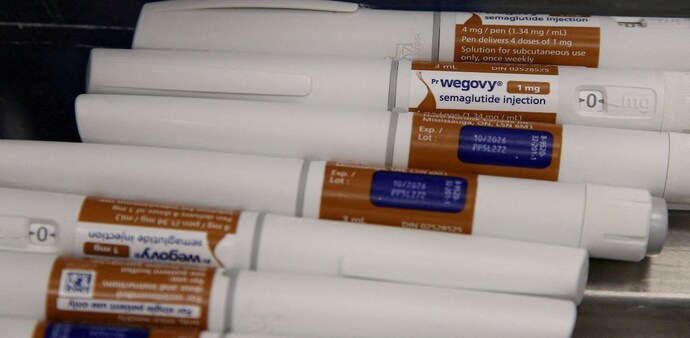
These drugs are available as once-weekly injections, typically delivered through pre-filled pens. Oral formulations, including semaglutide tablets, now launched in India, are also emerging, offering an alternative for patients unwilling to use injections.
Who can prescribe them?
This is where regulation becomes critical. According to the Government of India’s latest guidance, GLP-1 drugs are classified as Schedule H prescription medicines. They cannot be sold over the counter and can only be prescribed by specialists such as endocrinologists, internal medicine physicians and cardiologists.
The Drug Controller General of India, along with state regulators, has stepped up surveillance across the supply chain. A nationwide inspection drive has already covered pharmacies, wholesalers, online platforms and weight-loss clinics. Notices have been issued where violations were found, and authorities have warned that further non-compliance could lead to licence cancellations, fines and legal action.
For businesses operating in pharmacy, digital health or wellness, the message is clear: this is a tightly regulated medical category, not a consumer product.
The side effects patients must understand
GLP-1 drugs are effective, but they are not without risks. Common side effects include nausea, vomiting, diarrhoea and loss of appetite. While these are often manageable, they can lead to patients discontinuing treatment.
More serious complications, though less frequent, include pancreatitis, kidney injury, bowel obstruction, gallstone-related issues and, in rare cases, thyroid-related conditions. Severe allergic reactions and hypoglycaemia have also been reported.
There is also a growing aesthetic concern linked to rapid weight loss, including facial changes such as hollowing and sagging, which is already driving demand in dermatology and cosmetic care.
These risks reinforce the government’s position that the drugs must be used under medical supervision. For companies, enabling unsupervised use is not just a compliance issue but also a reputational risk.
The market these drugs are opening
The opportunity in this segment is significant. Beyond weight loss, GLP-1 drugs are being studied and used for cardiovascular risk reduction, fatty liver disease and kidney conditions. This expands their relevance across multiple high-burden disease areas.
India has 135 million people living with diabetes, according to the International Diabetes Federation. Estimates suggest 250 million people are overweight or obese, rising to 350 million when measured by central obesity parameters more relevant to South Asians.
Despite this, only about 2,00,000 patients in India are currently on GLP-1 therapy, pointing to a large untapped market, as per the innovator company Novo Nordisk. CareEdge Ratings estimates that the GLP-1 market in India, currently valued at ₹1,000–1,200 crore, could grow to ₹4,500–5,000 crore by 2030. Prices are expected to decline further as generic competition intensifies over the next few years.
What this means for business
The opportunity is there, but so is the regulatory framework. Companies across pharmaceuticals, digital health, insurance, diagnostics and wellness are looking to participate in this market. But the government has made it clear that growth must be anchored in clinical use, not consumer marketing.
Misleading promotion, unauthorised sale, and inappropriate prescription practices are already under scrutiny. For businesses, the path forward lies in building credibility with doctors, ensuring compliance across distribution channels and aligning with medical guidelines.
This is not a typical fast-moving consumer category. It is a specialised therapy area that will expand over time, but within defined regulatory boundaries.
Generic semaglutide has entered the Indian market, prices have dropped sharply, and competition is intensifying. But even as access expands, the Central Government has stepped in to tighten oversight of how these drugs are prescribed, sold and promoted. The Drug Controller General of India has issued advisories, inspected 49 businesses and warned of licence cancellations for violations.
For companies, investors and patients navigating one of the fastest-moving drug categories in India, here is a clear guide to what is changing, why it matters, and what comes next.
What the drug does
GLP-1, or glucagon-like peptide-1, is a hormone the body produces after eating. It helps regulate blood sugar by signalling the pancreas to release insulin and by suppressing glucagon, the hormone that raises blood sugar levels.
In people with type 2 diabetes, this system does not function properly. GLP-1 receptor agonist drugs mimic this hormone and help restore that balance. They improve blood sugar control and slow the rate at which food leaves the stomach, which leads to reduced appetite and weight loss.
These drugs are available as once-weekly injections, typically delivered through pre-filled pens. Oral formulations, including semaglutide tablets, now launched in India, are also emerging, offering an alternative for patients unwilling to use injections.
Who can prescribe them?
This is where regulation becomes critical. According to the Government of India’s latest guidance, GLP-1 drugs are classified as Schedule H prescription medicines. They cannot be sold over the counter and can only be prescribed by specialists such as endocrinologists, internal medicine physicians and cardiologists.
The Drug Controller General of India, along with state regulators, has stepped up surveillance across the supply chain. A nationwide inspection drive has already covered pharmacies, wholesalers, online platforms and weight-loss clinics. Notices have been issued where violations were found, and authorities have warned that further non-compliance could lead to licence cancellations, fines and legal action.
For businesses operating in pharmacy, digital health or wellness, the message is clear: this is a tightly regulated medical category, not a consumer product.
The side effects patients must understand
GLP-1 drugs are effective, but they are not without risks. Common side effects include nausea, vomiting, diarrhoea and loss of appetite. While these are often manageable, they can lead to patients discontinuing treatment.
More serious complications, though less frequent, include pancreatitis, kidney injury, bowel obstruction, gallstone-related issues and, in rare cases, thyroid-related conditions. Severe allergic reactions and hypoglycaemia have also been reported.
There is also a growing aesthetic concern linked to rapid weight loss, including facial changes such as hollowing and sagging, which is already driving demand in dermatology and cosmetic care.
These risks reinforce the government’s position that the drugs must be used under medical supervision. For companies, enabling unsupervised use is not just a compliance issue but also a reputational risk.
The market these drugs are opening
The opportunity in this segment is significant. Beyond weight loss, GLP-1 drugs are being studied and used for cardiovascular risk reduction, fatty liver disease and kidney conditions. This expands their relevance across multiple high-burden disease areas.
India has 135 million people living with diabetes, according to the International Diabetes Federation. Estimates suggest 250 million people are overweight or obese, rising to 350 million when measured by central obesity parameters more relevant to South Asians.
Despite this, only about 2,00,000 patients in India are currently on GLP-1 therapy, pointing to a large untapped market, as per the innovator company Novo Nordisk. CareEdge Ratings estimates that the GLP-1 market in India, currently valued at ₹1,000–1,200 crore, could grow to ₹4,500–5,000 crore by 2030. Prices are expected to decline further as generic competition intensifies over the next few years.
What this means for business
The opportunity is there, but so is the regulatory framework. Companies across pharmaceuticals, digital health, insurance, diagnostics and wellness are looking to participate in this market. But the government has made it clear that growth must be anchored in clinical use, not consumer marketing.
Misleading promotion, unauthorised sale, and inappropriate prescription practices are already under scrutiny. For businesses, the path forward lies in building credibility with doctors, ensuring compliance across distribution channels and aligning with medical guidelines.
This is not a typical fast-moving consumer category. It is a specialised therapy area that will expand over time, but within defined regulatory boundaries.