
Biocon bets on global markets as rivals fight India’s semaglutide price war
With insulin scale, US launches, GLP-1 ambitions and an oncology pipeline, the company is building where others are not looking.
- Apr 8, 2026,
- Updated Apr 9, 2026 12:15 PM IST
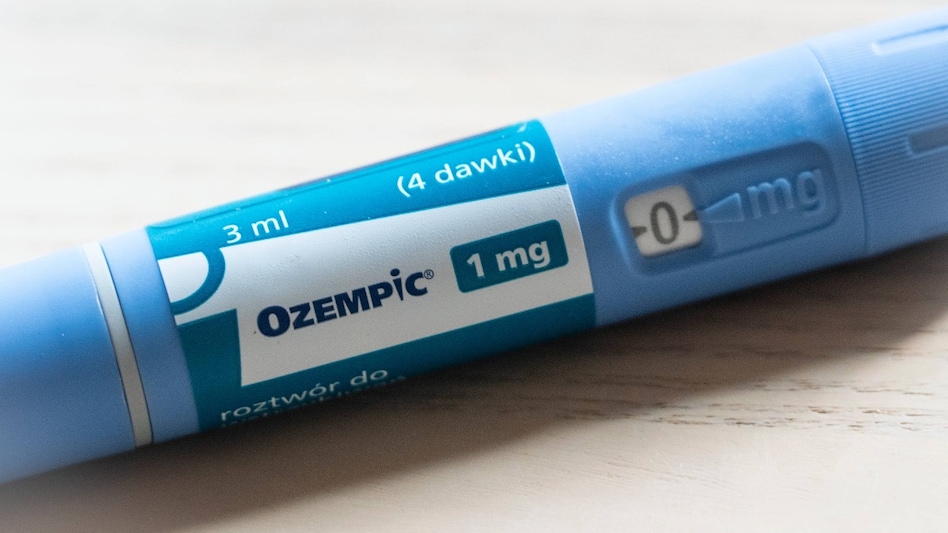
While India’s pharmaceutical companies crowd into a domestic semaglutide price war, biopharmaceutical major Biocon is targeting global markets where margins are better and competition thinner, building its presence across the full spectrum of diabetes treatment, from insulin to newer GLP-1 therapies and oral drugs.
“We are looking beyond the Indian market. The opportunity is in the US and emerging markets,” said Kiran Mazumdar-Shaw, Executive Chairperson, Biocon. “Biosimilars will be the key growth driver for us going forward.”
With semaglutide patents in India having expired on March 20 and over 20 Indian drugmakers already in the market with generic versions, Biocon has filed its Semaglutide in Canada, Brazil, Saudi Arabia and Turkey, and continues to file in other markets. India is not on the immediate list; however, the regulatory processes are underway.
“There is a common foundation, strong capabilities in insulin R&D, manufacturing, device development and relationships with prescribers,” said Shreehas Tambe, CEO and Managing Director of Biocon. “Biocon is uniquely positioned because we have both a biosimilar insulin portfolio and a GLP-1 pipeline, allowing us to address diabetes care across multiple therapies.”
The strategy is already visible in its portfolio. The company has launched liraglutide in several European countries, including the UK, and received a critical US FDA approval for its generic Liraglutide (gVictoza) in March 2026. It has also received U.S. approval for Dapagliflozin tablets and continues to scale its insulin franchise.
Biocon Biologics posted full-year revenue of Rs 9,017 crore in FY25, with 15% year-on-year growth, and four of its biosimilars each recording sales of $200 million during the year. In Q3 FY26, biosimilars revenue rose 9% year-on-year to Rs 2,497 crore while EBITDA jumped 44% to Rs 700 crore, representing a margin of 28%.
Biosimilars now contribute 58% of the company’s total revenue, compared to 19% from generics and 23% from research services, indicating a steady move towards complex biologics as the core business.
“Following the restructuring and exit of structured debt holders, interest costs are expected to decline by around Rs 300 crore year-on-year in FY27, while capex is also set to moderate as most major expansions have been completed,” said Aman Goyal, Research Associate at Axis Securities. “Biosimilars are expected to grow faster, though margins may stabilise in the mid-20% range, with GLP-1 growth driven by liraglutide launches in Europe and upcoming launches in the US and Latin America.” He added that semaglutide has been filed in multiple international markets, while approval in India is being evaluated through a partnership route.
More than 50 biologics with combined sales exceeding $270 billion are expected to lose patent protection by 2032, opening the field for biosimilar entrants across oncology, immunology and diabetes. The GLP-1 market alone is projected to reach about $144 billion by 2029.
Insulin: walking into the vacuum
While rivals pivot to GLP-1, Biocon is also investing further in insulin as global players reallocate resources.
Novo Nordisk and Eli Lilly, long dominant in insulin, are directing investments into GLP-1 therapies where margins are higher, leaving a supply gap in conventional insulin formats. This creates an opportunity for companies like Biocon to expand their presence in insulin at a time when demand remains high.
Biocon has supplied more than 9.2 billion doses of insulin worldwide and is the only company in the United States with interchangeable versions of both insulin glargine and insulin aspart, allowing direct pharmacy-level substitution. It is a primary supplier in emerging markets such as Mexico, Malaysia and Morocco. The company is now working towards making its insulins accessible to one in five insulin-dependent patients globally.
“The big companies want to exit the insulin business. Nobody wants to make insulin in pens and cartridges,” Mazumdar-Shaw said. “We continue to invest in these formats because there is demand and need.”
Mazumdar-Shaw has also indicated that Biocon aims to become a global leader in the insulin business over the next few years, supported by its focus on delivery formats such as pens and cartridges even as others scale back.
The company plans to double drug product capacity at its Malaysia insulin facility by FY27, with drug substance expansion to follow in FY28-29.
It has also partnered with U.S.-based Civica Inc. to expand affordable access to insulins and received FDA approval for Dapagliflozin tablets, adding an oral therapy to its diabetes portfolio.
Oncology: a $75 billion pipeline bet
In the United States, Biocon has launched denosumab biosimilars with interchangeable designation, targeting a product that recorded around $5 billion in U.S. sales in 2024. It has also secured a U.S. market entry date no later than the second half of 2026 for Yesafili, a biosimilar to Eylea, following a settlement with Regeneron.
The company has disclosed three new biosimilar oncology assets, trastuzumab subcutaneous, nivolumab and pembrolizumab, targeting reference products Herceptin SC, Opdivo and Keytruda respectively, therapies that together generated over $40 billion in global sales in 2024.
“These are important assets for us as we expand our oncology portfolio and increase access to these therapies,” Tambe said.
Biocon estimates its oncology pipeline addresses a market opportunity of over $75 billion, with over 40 biologics expected to go off patent by 2032 representing a cumulative opportunity of over $260 billion.
While India’s pharmaceutical companies crowd into a domestic semaglutide price war, biopharmaceutical major Biocon is targeting global markets where margins are better and competition thinner, building its presence across the full spectrum of diabetes treatment, from insulin to newer GLP-1 therapies and oral drugs.
“We are looking beyond the Indian market. The opportunity is in the US and emerging markets,” said Kiran Mazumdar-Shaw, Executive Chairperson, Biocon. “Biosimilars will be the key growth driver for us going forward.”
With semaglutide patents in India having expired on March 20 and over 20 Indian drugmakers already in the market with generic versions, Biocon has filed its Semaglutide in Canada, Brazil, Saudi Arabia and Turkey, and continues to file in other markets. India is not on the immediate list; however, the regulatory processes are underway.
“There is a common foundation, strong capabilities in insulin R&D, manufacturing, device development and relationships with prescribers,” said Shreehas Tambe, CEO and Managing Director of Biocon. “Biocon is uniquely positioned because we have both a biosimilar insulin portfolio and a GLP-1 pipeline, allowing us to address diabetes care across multiple therapies.”
The strategy is already visible in its portfolio. The company has launched liraglutide in several European countries, including the UK, and received a critical US FDA approval for its generic Liraglutide (gVictoza) in March 2026. It has also received U.S. approval for Dapagliflozin tablets and continues to scale its insulin franchise.
Biocon Biologics posted full-year revenue of Rs 9,017 crore in FY25, with 15% year-on-year growth, and four of its biosimilars each recording sales of $200 million during the year. In Q3 FY26, biosimilars revenue rose 9% year-on-year to Rs 2,497 crore while EBITDA jumped 44% to Rs 700 crore, representing a margin of 28%.
Biosimilars now contribute 58% of the company’s total revenue, compared to 19% from generics and 23% from research services, indicating a steady move towards complex biologics as the core business.
“Following the restructuring and exit of structured debt holders, interest costs are expected to decline by around Rs 300 crore year-on-year in FY27, while capex is also set to moderate as most major expansions have been completed,” said Aman Goyal, Research Associate at Axis Securities. “Biosimilars are expected to grow faster, though margins may stabilise in the mid-20% range, with GLP-1 growth driven by liraglutide launches in Europe and upcoming launches in the US and Latin America.” He added that semaglutide has been filed in multiple international markets, while approval in India is being evaluated through a partnership route.
More than 50 biologics with combined sales exceeding $270 billion are expected to lose patent protection by 2032, opening the field for biosimilar entrants across oncology, immunology and diabetes. The GLP-1 market alone is projected to reach about $144 billion by 2029.
Insulin: walking into the vacuum
While rivals pivot to GLP-1, Biocon is also investing further in insulin as global players reallocate resources.
Novo Nordisk and Eli Lilly, long dominant in insulin, are directing investments into GLP-1 therapies where margins are higher, leaving a supply gap in conventional insulin formats. This creates an opportunity for companies like Biocon to expand their presence in insulin at a time when demand remains high.
Biocon has supplied more than 9.2 billion doses of insulin worldwide and is the only company in the United States with interchangeable versions of both insulin glargine and insulin aspart, allowing direct pharmacy-level substitution. It is a primary supplier in emerging markets such as Mexico, Malaysia and Morocco. The company is now working towards making its insulins accessible to one in five insulin-dependent patients globally.
“The big companies want to exit the insulin business. Nobody wants to make insulin in pens and cartridges,” Mazumdar-Shaw said. “We continue to invest in these formats because there is demand and need.”
Mazumdar-Shaw has also indicated that Biocon aims to become a global leader in the insulin business over the next few years, supported by its focus on delivery formats such as pens and cartridges even as others scale back.
The company plans to double drug product capacity at its Malaysia insulin facility by FY27, with drug substance expansion to follow in FY28-29.
It has also partnered with U.S.-based Civica Inc. to expand affordable access to insulins and received FDA approval for Dapagliflozin tablets, adding an oral therapy to its diabetes portfolio.
Oncology: a $75 billion pipeline bet
In the United States, Biocon has launched denosumab biosimilars with interchangeable designation, targeting a product that recorded around $5 billion in U.S. sales in 2024. It has also secured a U.S. market entry date no later than the second half of 2026 for Yesafili, a biosimilar to Eylea, following a settlement with Regeneron.
The company has disclosed three new biosimilar oncology assets, trastuzumab subcutaneous, nivolumab and pembrolizumab, targeting reference products Herceptin SC, Opdivo and Keytruda respectively, therapies that together generated over $40 billion in global sales in 2024.
“These are important assets for us as we expand our oncology portfolio and increase access to these therapies,” Tambe said.
Biocon estimates its oncology pipeline addresses a market opportunity of over $75 billion, with over 40 biologics expected to go off patent by 2032 representing a cumulative opportunity of over $260 billion.