
Using skin or anti-ageing injections? Govt warns these ‘cosmetic’ jabs may not be safe
Drug regulator says cosmetics cannot be used for treatment or administered through injections, flags action against violations amid booming aesthetics market
- May 21, 2026,
- Updated May 21, 2026 3:42 PM IST
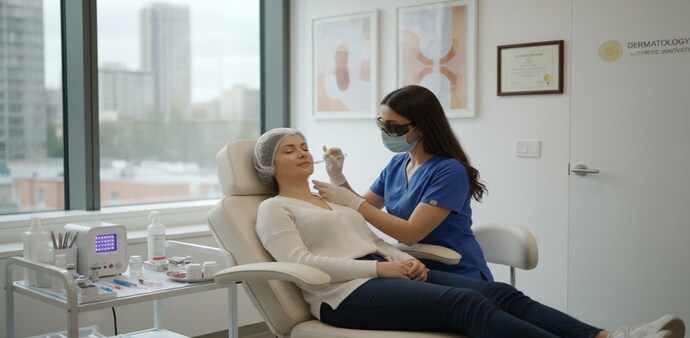
India’s drug regulator has issued a public notice cautioning consumers, aesthetic clinics, professionals and cosmetic manufacturers against the use of injectable cosmetic products and misleading claims, amid growing demand for aesthetic and beauty procedures in the country.
In the notice issued on May 18, the Central Drugs Standard Control Organisation (CDSCO) clarified that products supplied in injectable form do not fall under the definition of cosmetics under the Drugs and Cosmetics Act, 1940, and therefore cannot be used as cosmetic products by consumers or professionals.
The regulator said cosmetics are meant only for “cleansing, beautifying, promoting attractiveness, or altering the appearance” of the human body and are intended to be rubbed, poured, sprinkled or sprayed on the body.
“No cosmetic is permitted to be used as an injection by consumer/professionals/aesthetic clinics,” the notice said.
The move comes at a time when India’s cosmetic dermatology and aesthetic treatment market is seeing rapid growth, driven by rising disposable incomes, social media influence and increasing demand for anti-ageing and skin-enhancement procedures in urban centres.
According to market research firm Grand View Research, India’s medical aesthetics market was valued at around $1.6 billion (nearly ₹13,000 crores) in 2024 and is expected to expand at a double-digit growth rate over the coming years, with injectables such as botulinum toxin and dermal fillers among the fastest-growing segments.
These products typically include skin-brightening injections, anti-ageing injectables, dermal fillers, botulinum toxin-based wrinkle treatments and other aesthetic enhancement procedures offered by beauty clinics and cosmetic centres. Several such products are marketed online and through aesthetic clinics as cosmetic or beauty-enhancement solutions.
The CDSCO also warned companies against making false or misleading claims on cosmetic labels and advertisements. According to the notice, cosmetics cannot claim to treat medical conditions and cannot be promoted in a manner that misleads consumers.
The regulator further stated that the use of prohibited ingredients, misleading labelling, cosmetics for treatment purposes and administration through injections would attract violations under the Drugs and Cosmetics Act and Cosmetics Rules, 2020.
The public notice also referred to the list of “generally not recognised as safe” (GNRAS) and restricted ingredients published by the Bureau of Indian Standards.
Industry observers say the clarification could tighten scrutiny on aesthetic clinics and beauty product marketers that increasingly promote injectable skin-lightening, anti-ageing or rejuvenation products through online platforms and influencer marketing.
The CDSCO has asked consumers and stakeholders to report any such violations or observations to the regulator or state licensing authorities.
FAQs
- +−
Why has CDSCO warned against injectable cosmetic products in India?
CDSCO has said that products supplied in injectable form do not qualify as cosmetics under the Drugs and Cosmetics Act, 1940. This means they cannot be used as cosmetic products by consumers, professionals or aesthetic clinics.
- +−
Are beauty clinics and professionals allowed to use cosmetic injections?
No. The regulator has clearly stated that no cosmetic is permitted to be administered as an injection. Cosmetics are meant to be applied externally, such as by rubbing, pouring, sprinkling or spraying on the body.
- +−
Which injectable aesthetic products are under scrutiny?
The notice is relevant to products such as skin-brightening injections, anti-ageing injectables, dermal fillers, botulinum toxin-based wrinkle treatments and similar aesthetic enhancement products marketed by clinics or online sellers.
- +−
What misleading claims has CDSCO cautioned cosmetic companies against?
CDSCO has warned that cosmetic labels and advertisements must not make false or misleading claims. Cosmetics cannot claim to treat medical conditions or be promoted in a way that confuses or misleads consumers.
- +−
What should consumers do if they find suspicious injectable beauty products or false cosmetic claims?
Consumers and stakeholders should report such violations or observations to CDSCO or the relevant state licensing authorities. The regulator has also pointed to BIS lists of restricted and generally not recognised as safe ingredients for further caution.
India’s drug regulator has issued a public notice cautioning consumers, aesthetic clinics, professionals and cosmetic manufacturers against the use of injectable cosmetic products and misleading claims, amid growing demand for aesthetic and beauty procedures in the country.
In the notice issued on May 18, the Central Drugs Standard Control Organisation (CDSCO) clarified that products supplied in injectable form do not fall under the definition of cosmetics under the Drugs and Cosmetics Act, 1940, and therefore cannot be used as cosmetic products by consumers or professionals.
The regulator said cosmetics are meant only for “cleansing, beautifying, promoting attractiveness, or altering the appearance” of the human body and are intended to be rubbed, poured, sprinkled or sprayed on the body.
“No cosmetic is permitted to be used as an injection by consumer/professionals/aesthetic clinics,” the notice said.
The move comes at a time when India’s cosmetic dermatology and aesthetic treatment market is seeing rapid growth, driven by rising disposable incomes, social media influence and increasing demand for anti-ageing and skin-enhancement procedures in urban centres.
According to market research firm Grand View Research, India’s medical aesthetics market was valued at around $1.6 billion (nearly ₹13,000 crores) in 2024 and is expected to expand at a double-digit growth rate over the coming years, with injectables such as botulinum toxin and dermal fillers among the fastest-growing segments.
These products typically include skin-brightening injections, anti-ageing injectables, dermal fillers, botulinum toxin-based wrinkle treatments and other aesthetic enhancement procedures offered by beauty clinics and cosmetic centres. Several such products are marketed online and through aesthetic clinics as cosmetic or beauty-enhancement solutions.
The CDSCO also warned companies against making false or misleading claims on cosmetic labels and advertisements. According to the notice, cosmetics cannot claim to treat medical conditions and cannot be promoted in a manner that misleads consumers.
The regulator further stated that the use of prohibited ingredients, misleading labelling, cosmetics for treatment purposes and administration through injections would attract violations under the Drugs and Cosmetics Act and Cosmetics Rules, 2020.
The public notice also referred to the list of “generally not recognised as safe” (GNRAS) and restricted ingredients published by the Bureau of Indian Standards.
Industry observers say the clarification could tighten scrutiny on aesthetic clinics and beauty product marketers that increasingly promote injectable skin-lightening, anti-ageing or rejuvenation products through online platforms and influencer marketing.
The CDSCO has asked consumers and stakeholders to report any such violations or observations to the regulator or state licensing authorities.