
Here's how Apollo is expanding its hospital pipeline
The hospital operator plans 4,400 additional beds as consumer health business turns profitable and overseas patient inflows rise
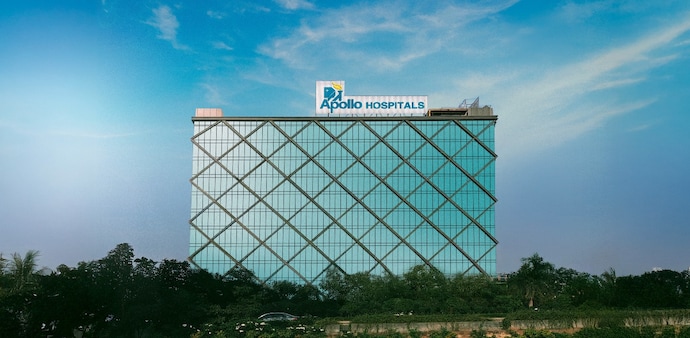
- May 21, 2026,
- Updated May 21, 2026 12:39 PM IST
Apollo Hospitals Enterprise is accelerating hospital expansion, digital healthcare and international patient inflows amid growing demand for private healthcare services across the country.
The company is also moving ahead with the proposed demerger of its pharmacy and digital health businesses after Apollo HealthCo, which houses the omni-channel pharmacy and digital platform, reported its first full year of profitability in FY26.
Apollo has commissioned four new hospitals with around 855 beds and plans to add 4,400 beds over the next five years. Of the planned expansion pipeline, around 3,600 census beds are expected to be operationalised over the next five years. The company said the remaining capex pipeline of around ₹5,100 crore will be funded through internal accruals.
For FY26, Apollo reported consolidated revenue of ₹25,229 crore, up 16% year-on-year, while profit after tax rose 34% to ₹1,942 crore. Revenue from the healthcare services business increased 13% to ₹12,555 crore, while Apollo HealthCo posted FY26 revenue of ₹10,808 crore, up 19% year-on-year.
Apollo Hospitals Financial District, a 400-bed smart hospital in Hyderabad, was commissioned in April 2026, while the group also launched a 270-bed facility in Sonarpur, Kolkata.
Chairman Prathap C Reddy said Apollo’s long-term strategy is focused on expanding access to advanced healthcare in Tier-II and Tier-III markets. “Our expansion strategy continues to be guided by India’s long-term healthcare needs,” Reddy said. “This is not only a strategic priority, but also a responsibility to bring advanced healthcare closer to underserved communities while maintaining the highest standards of care.”
The company is also witnessing strong traction from medical value travel, an area becoming increasingly important for private hospital operators. Apollo said international patient revenues maintained momentum during FY26, aided by partnerships with governments, embassies and healthcare information centres across Africa, the Middle East, Bangladesh and Southeast Asia.
Industry executives say India’s improving clinical capabilities, lower treatment costs compared with Western markets, and growing demand for specialised procedures are helping hospital networks attract overseas patients, particularly in oncology, organ transplants, cardiac sciences and robotic surgeries.
Apollo’s focus on specialised treatment areas remained visible through the year, with the group reporting growth in complex procedures and specialties such as oncology, neurosciences, transplantation and emergency care. The company also crossed 2,000 robotic surgeries at its Jubilee Hills hospital in Hyderabad.
The company operated 8,131 beds across its hospital network as of March 2026, with occupancy levels at 68 per cent during the fourth quarter. Average revenue per occupied bed (ARPOB) in the healthcare services business rose 12 per cent year-on-year to ₹71,206 during the quarter.
Apollo 24/7’s gross merchandise value crossed ₹2,037 crore during FY26, while average daily order run-rate rose to around 69,000 orders across pharmacy, diagnostics and consultations in the fourth quarter.
The company added 176 pharmacy stores during the quarter, taking its total network to 7,289 outlets. Apollo said the proposed demerger of its pharmacy and digital health businesses could create a separately listed consumer healthcare platform by Q4 FY27, subject to regulatory approvals. Reddy said the move is aimed at enabling “sharper focus, accelerated growth, and long-term value creation.”
Another development during the year was the merger of Apollo Cradle and Fertility with Cloudnine to create an integrated maternity and fertility care platform. Apollo Health and Lifestyle’s mother-and-child and fertility businesses were valued at ₹1,550 crore as part of the transaction.
Apollo Hospitals Enterprise is accelerating hospital expansion, digital healthcare and international patient inflows amid growing demand for private healthcare services across the country.
The company is also moving ahead with the proposed demerger of its pharmacy and digital health businesses after Apollo HealthCo, which houses the omni-channel pharmacy and digital platform, reported its first full year of profitability in FY26.
Apollo has commissioned four new hospitals with around 855 beds and plans to add 4,400 beds over the next five years. Of the planned expansion pipeline, around 3,600 census beds are expected to be operationalised over the next five years. The company said the remaining capex pipeline of around ₹5,100 crore will be funded through internal accruals.
For FY26, Apollo reported consolidated revenue of ₹25,229 crore, up 16% year-on-year, while profit after tax rose 34% to ₹1,942 crore. Revenue from the healthcare services business increased 13% to ₹12,555 crore, while Apollo HealthCo posted FY26 revenue of ₹10,808 crore, up 19% year-on-year.
Apollo Hospitals Financial District, a 400-bed smart hospital in Hyderabad, was commissioned in April 2026, while the group also launched a 270-bed facility in Sonarpur, Kolkata.
Chairman Prathap C Reddy said Apollo’s long-term strategy is focused on expanding access to advanced healthcare in Tier-II and Tier-III markets. “Our expansion strategy continues to be guided by India’s long-term healthcare needs,” Reddy said. “This is not only a strategic priority, but also a responsibility to bring advanced healthcare closer to underserved communities while maintaining the highest standards of care.”
The company is also witnessing strong traction from medical value travel, an area becoming increasingly important for private hospital operators. Apollo said international patient revenues maintained momentum during FY26, aided by partnerships with governments, embassies and healthcare information centres across Africa, the Middle East, Bangladesh and Southeast Asia.
Industry executives say India’s improving clinical capabilities, lower treatment costs compared with Western markets, and growing demand for specialised procedures are helping hospital networks attract overseas patients, particularly in oncology, organ transplants, cardiac sciences and robotic surgeries.
Apollo’s focus on specialised treatment areas remained visible through the year, with the group reporting growth in complex procedures and specialties such as oncology, neurosciences, transplantation and emergency care. The company also crossed 2,000 robotic surgeries at its Jubilee Hills hospital in Hyderabad.
The company operated 8,131 beds across its hospital network as of March 2026, with occupancy levels at 68 per cent during the fourth quarter. Average revenue per occupied bed (ARPOB) in the healthcare services business rose 12 per cent year-on-year to ₹71,206 during the quarter.
Apollo 24/7’s gross merchandise value crossed ₹2,037 crore during FY26, while average daily order run-rate rose to around 69,000 orders across pharmacy, diagnostics and consultations in the fourth quarter.
The company added 176 pharmacy stores during the quarter, taking its total network to 7,289 outlets. Apollo said the proposed demerger of its pharmacy and digital health businesses could create a separately listed consumer healthcare platform by Q4 FY27, subject to regulatory approvals. Reddy said the move is aimed at enabling “sharper focus, accelerated growth, and long-term value creation.”
Another development during the year was the merger of Apollo Cradle and Fertility with Cloudnine to create an integrated maternity and fertility care platform. Apollo Health and Lifestyle’s mother-and-child and fertility businesses were valued at ₹1,550 crore as part of the transaction.