
Hyderabad Pharma City in final stages of resolving legal matters, anticipate operationalising it soon: K.T. Rama Rao
In an exclusive interview with BT, Telangana minister talks about the state’s plans for Hyderabad Pharma City and how it could attract over $8 billion in investments and create over 500,000 jobs
- Jul 6, 2023,
- Updated Jul 6, 2023 11:23 AM IST
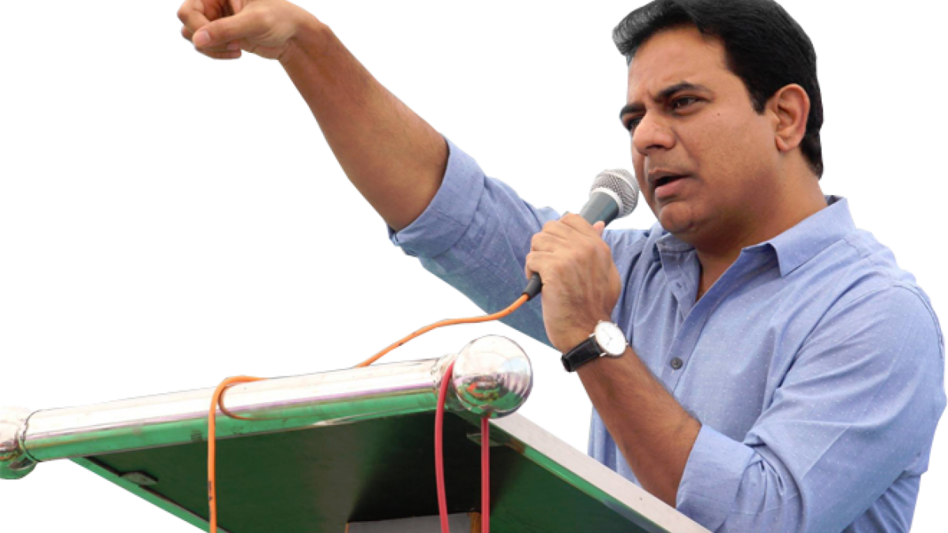
Telangana is actively engaged in scientific research and pharmaceutical initiatives, with a focus on developing Hyderabad’s Pharma City. This ambitious project aims to attract significant investments and create employment opportunities in the pharmaceutical sector. K.T. Rama Rao, the Minister for Industries & Commerce, Information Technology, Municipal Administration, and Urban Development of Telangana, in an exclusive interview with BT, discussed the government’s initiatives in innovation, science and technology and the pharmaceutical industry, and the state’s contributions to India’s economic and scientific advancement. Edited excerpts:
BT: What initiatives have you taken in the pharmaceuticals and science and technology sectors?
KTR: The Covid-19 pandemic has highlighted the unity of humanity and the inadequacy of our medical infrastructure. Life sciences play a crucial role in saving lives and hold immense importance. Telangana, with its young population, has great potential in this field. We conducted a SWOT (strengths, weaknesses, opportunities, and threats) analysis and identified areas for development in the life sciences sector. While we excel in bulk drugs, pharmaceuticals, and vaccines, we recognised the need to focus on other areas as well. Towards this end, we have established India’s largest medical devices park to reduce the country’s dependence on imports, as a significant portion of medical devices is currently imported.
The state’s capital Hyderabad is home to Asia’s largest stent manufacturer, boasting the world’s largest single facility. The city is also a hub for bio-plus tech companies that merge biology and technology, attracting data scientists, life sciences experts, and fostering interdisciplinary collaborations. This makes Hyderabad an exciting destination for the future of science and life sciences. Novartis, with 9,000 employees, operates its second-largest centre globally in Hyderabad, engaging in cutting-edge research and development, digital drug discovery, clinical research, bioinformatics, and more. Hyderabad is viewed as a corporate centre with exceptional human capital, rather than just a shared services centre.
In Telangana, our focus revolves around innovation, leveraging technology and human capital, scaling to compete globally with the best manufacturers, and creating Hyderabad Pharma City, the world's largest pharma cluster spread across 14,000 acres. We are in the final stages of resolving legal matters, and we anticipate operationalising it soon.
BT: What are the timelines for this?
KTR: The high court has reserved its judgment, and we are optimistic of a favourable outcome, which could be announced soon. Once that happens, we have a demand-supply plan in place, and vibrant development in Hyderabad will take shape within the next one-and-a-half to two years. Hyderabad Pharma City aims to attract over $8 billion in investments and create more than 500,000 jobs. It will feature world-class common effluent facilities, ensuring 100% common effluent treatment to address pollution concerns. We also have plans for capacity building. Our current ecosystem size stands at approximately $80 billion, and we aim to double or triple it to $250 billion by 2030, focusing on innovation, scale, and capacity building.
As part of Pharma City, we are establishing a life sciences university. We have engaged in discussions with King's College and the industry to highlight the opportunities available in Hyderabad and Telangana. Consolidating our strengths in generics and manufacturing is crucial, but we also encourage innovation, aspiring to see the emergence of original molecules, devices, and products originating from India, with Telangana playing a significant role.
BT: How did your state contribute to the fight against COVID-19?
KTR: Telangana played a significant role in various aspects of the fight against COVID-19. We contributed to the development of indigenous vaccines such as Bharat Biotech and Biological E, both originating from Hyderabad. To consolidate these gains, we are establishing B-Hub, a biopharma hub located in Genome Valley. Our focus is on fostering innovation and research, as they are fundamental to driving advancements. B-Hub and T-Hub serve as platforms for industry collaboration and provide opportunities for Indian youth.
Recognising the challenges faced by the pharma industry, including the high cost of developing original molecules, we have advocated for research-linked incentives. We engage in policy advocacy and address concerns raised by medical device manufacturers regarding GST, working closely with the Government of India to find practical solutions. We believe that logical policies and legislation are essential to fulfilling the promise of the "Make in India" initiative. Our focus is on driving necessary changes and addressing industry issues.
We prioritise promoting innovation, research, employment, and the growth of life sciences and pharmaceuticals. We support start-ups and entrepreneurship through programs like ‘Y Hub’, encouraging young individuals to aspire to be job creators and entrepreneurs. Design thinking is promoted, and we have established India’s largest prototypic facility called T-Works. T-Hub, the world’s largest incubator, has already made significant contributions, being the birthplace of India's first space tech company, Skyroot, and Dhruva Space, the first private company to send three nanosatellites into space. These achievements highlight the positive impact of T-Hub and the Hyderabad ecosystem.
BT: How are you supporting pharmaceutical industry?
KTR: We play a crucial role as enablers, providing access and platforms for individuals and companies in the biotech and healthcare sectors. Our focus is on facilitating such initiatives rather than solely investing in private projects. Genome Valley houses several innovative and emerging companies in the life sciences sector, and we extend our support to all of them. Additionally, the medical devices manufacturing sector and medical devices parks in Telangana host numerous promising young companies. There isn't one specific company to highlight as there are several that are performing exceptionally well. We also have BioAsia—Asia’s largest life-sciences and Health Tech forum, the annual flagship event of the Government of Telangana. The annual BioAsia conference has been a catalyst for 20 years in bringing together prominent dignitaries and delegates, leaders, entrepreneurs, and professionals from the life science and healthcare sector from around the world year on year.
Telangana is actively engaged in scientific research and pharmaceutical initiatives, with a focus on developing Hyderabad’s Pharma City. This ambitious project aims to attract significant investments and create employment opportunities in the pharmaceutical sector. K.T. Rama Rao, the Minister for Industries & Commerce, Information Technology, Municipal Administration, and Urban Development of Telangana, in an exclusive interview with BT, discussed the government’s initiatives in innovation, science and technology and the pharmaceutical industry, and the state’s contributions to India’s economic and scientific advancement. Edited excerpts:
BT: What initiatives have you taken in the pharmaceuticals and science and technology sectors?
KTR: The Covid-19 pandemic has highlighted the unity of humanity and the inadequacy of our medical infrastructure. Life sciences play a crucial role in saving lives and hold immense importance. Telangana, with its young population, has great potential in this field. We conducted a SWOT (strengths, weaknesses, opportunities, and threats) analysis and identified areas for development in the life sciences sector. While we excel in bulk drugs, pharmaceuticals, and vaccines, we recognised the need to focus on other areas as well. Towards this end, we have established India’s largest medical devices park to reduce the country’s dependence on imports, as a significant portion of medical devices is currently imported.
The state’s capital Hyderabad is home to Asia’s largest stent manufacturer, boasting the world’s largest single facility. The city is also a hub for bio-plus tech companies that merge biology and technology, attracting data scientists, life sciences experts, and fostering interdisciplinary collaborations. This makes Hyderabad an exciting destination for the future of science and life sciences. Novartis, with 9,000 employees, operates its second-largest centre globally in Hyderabad, engaging in cutting-edge research and development, digital drug discovery, clinical research, bioinformatics, and more. Hyderabad is viewed as a corporate centre with exceptional human capital, rather than just a shared services centre.
In Telangana, our focus revolves around innovation, leveraging technology and human capital, scaling to compete globally with the best manufacturers, and creating Hyderabad Pharma City, the world's largest pharma cluster spread across 14,000 acres. We are in the final stages of resolving legal matters, and we anticipate operationalising it soon.
BT: What are the timelines for this?
KTR: The high court has reserved its judgment, and we are optimistic of a favourable outcome, which could be announced soon. Once that happens, we have a demand-supply plan in place, and vibrant development in Hyderabad will take shape within the next one-and-a-half to two years. Hyderabad Pharma City aims to attract over $8 billion in investments and create more than 500,000 jobs. It will feature world-class common effluent facilities, ensuring 100% common effluent treatment to address pollution concerns. We also have plans for capacity building. Our current ecosystem size stands at approximately $80 billion, and we aim to double or triple it to $250 billion by 2030, focusing on innovation, scale, and capacity building.
As part of Pharma City, we are establishing a life sciences university. We have engaged in discussions with King's College and the industry to highlight the opportunities available in Hyderabad and Telangana. Consolidating our strengths in generics and manufacturing is crucial, but we also encourage innovation, aspiring to see the emergence of original molecules, devices, and products originating from India, with Telangana playing a significant role.
BT: How did your state contribute to the fight against COVID-19?
KTR: Telangana played a significant role in various aspects of the fight against COVID-19. We contributed to the development of indigenous vaccines such as Bharat Biotech and Biological E, both originating from Hyderabad. To consolidate these gains, we are establishing B-Hub, a biopharma hub located in Genome Valley. Our focus is on fostering innovation and research, as they are fundamental to driving advancements. B-Hub and T-Hub serve as platforms for industry collaboration and provide opportunities for Indian youth.
Recognising the challenges faced by the pharma industry, including the high cost of developing original molecules, we have advocated for research-linked incentives. We engage in policy advocacy and address concerns raised by medical device manufacturers regarding GST, working closely with the Government of India to find practical solutions. We believe that logical policies and legislation are essential to fulfilling the promise of the "Make in India" initiative. Our focus is on driving necessary changes and addressing industry issues.
We prioritise promoting innovation, research, employment, and the growth of life sciences and pharmaceuticals. We support start-ups and entrepreneurship through programs like ‘Y Hub’, encouraging young individuals to aspire to be job creators and entrepreneurs. Design thinking is promoted, and we have established India’s largest prototypic facility called T-Works. T-Hub, the world’s largest incubator, has already made significant contributions, being the birthplace of India's first space tech company, Skyroot, and Dhruva Space, the first private company to send three nanosatellites into space. These achievements highlight the positive impact of T-Hub and the Hyderabad ecosystem.
BT: How are you supporting pharmaceutical industry?
KTR: We play a crucial role as enablers, providing access and platforms for individuals and companies in the biotech and healthcare sectors. Our focus is on facilitating such initiatives rather than solely investing in private projects. Genome Valley houses several innovative and emerging companies in the life sciences sector, and we extend our support to all of them. Additionally, the medical devices manufacturing sector and medical devices parks in Telangana host numerous promising young companies. There isn't one specific company to highlight as there are several that are performing exceptionally well. We also have BioAsia—Asia’s largest life-sciences and Health Tech forum, the annual flagship event of the Government of Telangana. The annual BioAsia conference has been a catalyst for 20 years in bringing together prominent dignitaries and delegates, leaders, entrepreneurs, and professionals from the life science and healthcare sector from around the world year on year.