
Patients overpaying for life-saving devices? Up to 1000% markups on syringes, heart devices
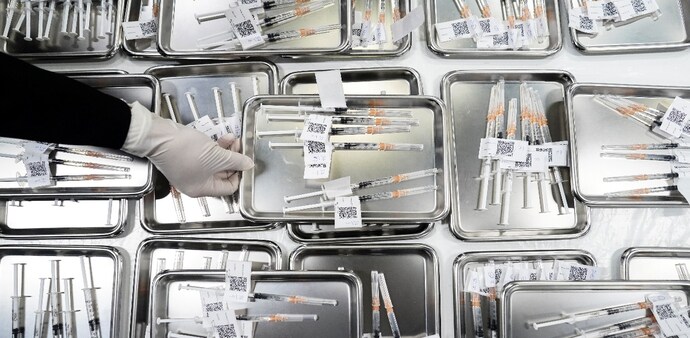
Disposable syringes manufactured at around ₹2–3 are sold at MRPs of ₹15–30, while cardiac catheters with landed costs of ₹1,500–2,000 are sold at ₹7,000–11,000.
- Apr 24, 2026,
- Updated Apr 24, 2026 12:18 PM IST
India’s medical devices industry is urging the Centre to relook the country’s pricing framework, arguing that the current maximum retail price (MRP) system allows large gaps between manufacturing or import costs and the prices patients ultimately pay for devices ranging from syringes to heart valves.
Following a stakeholder consultation held earlier this week, the Association of Indian Medical Devices Industry (AiMeD) on Friday said concerns were aired about the MRP-based system, originally designed as a consumer protection tool, and that it is increasingly misaligned with current market realities and enables high trade margins across the supply chain.
The issue comes amid a broader policy evolution in the sector. Over the past decade, the government has expanded oversight by bringing medical devices under the ambit of the Drugs Prices Control Order (DPCO) through their classification as “drugs”, alongside the Medical Devices Rules, 2017 and the National Medical Devices Policy, 2023 aimed at boosting domestic manufacturing and regulatory clarity.
MUST READ | Hypertension, diabetes, high cholesterol now account for 40% of Indian pharma market
Parliamentary Standing Committee reports on health have flagged high device prices and lack of transparency, while consultations through 2024-25 involving the Department of Pharmaceuticals and the National Pharmaceutical Pricing Authority (NPPA) have emphasised balancing affordability with supply continuity, particularly in high-end devices where India remains import dependent.
India’s medical devices market, estimated at over ₹1.3 lakh crore ($15–18 billion) in 2025 and projected to exceed $50 billion by 2030, remains heavily import-dependent, with imports accounting for 70–80% of demand, according to industry policy data. Out-of-pocket spending continues to dominate healthcare financing, making device pricing a critical issue for patients.
Wide gaps across devices
Industry data cited by AiMeD shows that disparities between cost and retail pricing persist across categories.
At the lower end, disposable syringes manufactured at around ₹2–3 are sold at MRPs of ₹15–30, while IV sets and cannulas priced at ₹5–10 at the factory level are billed at ₹80–120.
DON'T MISS | US pharma tariffs likely to have limited impact on Indian exports
In ophthalmology, intraocular lenses produced at ₹200–7,000 are sold to patients at ₹300 to ₹45,000 depending on type and functionality.
In cardiovascular devices, the gaps are wider. Cardiac catheters with landed costs of ₹1,500–2,000 are sold at ₹7,000–11,000, while pacemakers imported at ₹15,000–60,000 are billed at ₹1.5–2 lakh.
Heart valves show some of the widest spreads. Surgical valves with landed costs of ₹80,000–1.5 lakh have historically been priced at ₹4–9 lakh, while transcatheter valves imported at ₹5.5–6.5 lakh are billed at ₹18–24 lakh in hospitals.
“These gaps reflect the absence of a transparent pricing link between cost and retail price, and evidence-based pilots could help correct these distortions,” said Rajiv Nath, Forum Coordinator at AiMeD. “If considered, consumers could see significant, rational price corrections on essential medical devices without compromising quality or supply,” he said.
MRP system under scrutiny
The current pricing framework is anchored in the Legal Metrology (Packaged Commodities) Rules, under which manufacturers declare an MRP inclusive of all taxes.
Introduced in 1990 and retained under the GST regime, the system was intended to provide a single reference price for consumers. However, industry participants and consumer advocates argue that MRPs are often set significantly above actual costs, enabling discount-led selling while preserving high margins across distributors and hospitals.
Consumer rights advocate Bejon Kumar Misra has argued that MRPs are often “fixed almost arbitrarily” and may not reflect actual product value or costs, raising questions about whether consumers are paying inflated prices under the guise of discounts.
In healthcare, the issue is more acute, as patients typically lack visibility into procurement costs and pricing structures.
Past caps and new proposals
The debate echoes earlier interventions by the NPPA. In 2017, price caps on cardiac stents reduced prices from as high as ₹2 lakh to around ₹39,000, while knee implant caps brought down prices by up to 60–70%, improving access without major supply disruptions, according to NPPA data and industry analysis.
Building on that experience, AiMeD has proposed a trade margin-based pricing system, where caps are applied at the first point of sale, either import landed price or ex-factory price.
DON'T MISS | What does Sun Pharma gain from its $12-billion Organon bid?
Under the proposal, low-value consumables such as syringes and IV sets could see margins capped at around 75%, mid-range devices such as catheters and intraocular lenses at around 66%, and high-value implants such as pacemakers and heart valves at 50–66%.
The association has also suggested pilot programmes covering key categories including pacemakers, heart valves, cardiac catheters, syringes, IV sets and intraocular lenses, where mark-ups can range from 300% to over 1,000%, according to industry estimates.
It has further proposed testing caps on hospital billing margins at around 50% over procurement cost, arguing that device pricing is often used to cross-subsidise other hospital services.
Business Today reached out to the Union health ministry and NPPA for a comment. The officials said as of now there is no formal government proposal.
India’s medical devices industry is urging the Centre to relook the country’s pricing framework, arguing that the current maximum retail price (MRP) system allows large gaps between manufacturing or import costs and the prices patients ultimately pay for devices ranging from syringes to heart valves.
Following a stakeholder consultation held earlier this week, the Association of Indian Medical Devices Industry (AiMeD) on Friday said concerns were aired about the MRP-based system, originally designed as a consumer protection tool, and that it is increasingly misaligned with current market realities and enables high trade margins across the supply chain.
The issue comes amid a broader policy evolution in the sector. Over the past decade, the government has expanded oversight by bringing medical devices under the ambit of the Drugs Prices Control Order (DPCO) through their classification as “drugs”, alongside the Medical Devices Rules, 2017 and the National Medical Devices Policy, 2023 aimed at boosting domestic manufacturing and regulatory clarity.
MUST READ | Hypertension, diabetes, high cholesterol now account for 40% of Indian pharma market
Parliamentary Standing Committee reports on health have flagged high device prices and lack of transparency, while consultations through 2024-25 involving the Department of Pharmaceuticals and the National Pharmaceutical Pricing Authority (NPPA) have emphasised balancing affordability with supply continuity, particularly in high-end devices where India remains import dependent.
India’s medical devices market, estimated at over ₹1.3 lakh crore ($15–18 billion) in 2025 and projected to exceed $50 billion by 2030, remains heavily import-dependent, with imports accounting for 70–80% of demand, according to industry policy data. Out-of-pocket spending continues to dominate healthcare financing, making device pricing a critical issue for patients.
Wide gaps across devices
Industry data cited by AiMeD shows that disparities between cost and retail pricing persist across categories.
At the lower end, disposable syringes manufactured at around ₹2–3 are sold at MRPs of ₹15–30, while IV sets and cannulas priced at ₹5–10 at the factory level are billed at ₹80–120.
DON'T MISS | US pharma tariffs likely to have limited impact on Indian exports
In ophthalmology, intraocular lenses produced at ₹200–7,000 are sold to patients at ₹300 to ₹45,000 depending on type and functionality.
In cardiovascular devices, the gaps are wider. Cardiac catheters with landed costs of ₹1,500–2,000 are sold at ₹7,000–11,000, while pacemakers imported at ₹15,000–60,000 are billed at ₹1.5–2 lakh.
Heart valves show some of the widest spreads. Surgical valves with landed costs of ₹80,000–1.5 lakh have historically been priced at ₹4–9 lakh, while transcatheter valves imported at ₹5.5–6.5 lakh are billed at ₹18–24 lakh in hospitals.
“These gaps reflect the absence of a transparent pricing link between cost and retail price, and evidence-based pilots could help correct these distortions,” said Rajiv Nath, Forum Coordinator at AiMeD. “If considered, consumers could see significant, rational price corrections on essential medical devices without compromising quality or supply,” he said.
MRP system under scrutiny
The current pricing framework is anchored in the Legal Metrology (Packaged Commodities) Rules, under which manufacturers declare an MRP inclusive of all taxes.
Introduced in 1990 and retained under the GST regime, the system was intended to provide a single reference price for consumers. However, industry participants and consumer advocates argue that MRPs are often set significantly above actual costs, enabling discount-led selling while preserving high margins across distributors and hospitals.
Consumer rights advocate Bejon Kumar Misra has argued that MRPs are often “fixed almost arbitrarily” and may not reflect actual product value or costs, raising questions about whether consumers are paying inflated prices under the guise of discounts.
In healthcare, the issue is more acute, as patients typically lack visibility into procurement costs and pricing structures.
Past caps and new proposals
The debate echoes earlier interventions by the NPPA. In 2017, price caps on cardiac stents reduced prices from as high as ₹2 lakh to around ₹39,000, while knee implant caps brought down prices by up to 60–70%, improving access without major supply disruptions, according to NPPA data and industry analysis.
Building on that experience, AiMeD has proposed a trade margin-based pricing system, where caps are applied at the first point of sale, either import landed price or ex-factory price.
DON'T MISS | What does Sun Pharma gain from its $12-billion Organon bid?
Under the proposal, low-value consumables such as syringes and IV sets could see margins capped at around 75%, mid-range devices such as catheters and intraocular lenses at around 66%, and high-value implants such as pacemakers and heart valves at 50–66%.
The association has also suggested pilot programmes covering key categories including pacemakers, heart valves, cardiac catheters, syringes, IV sets and intraocular lenses, where mark-ups can range from 300% to over 1,000%, according to industry estimates.
It has further proposed testing caps on hospital billing margins at around 50% over procurement cost, arguing that device pricing is often used to cross-subsidise other hospital services.
Business Today reached out to the Union health ministry and NPPA for a comment. The officials said as of now there is no formal government proposal.