
Your medicines could soon cost more: The impact of West Asia tensions
MSME drugmakers flag 200–300% input cost surge, warn of supply risks
- Mar 24, 2026,
- Updated Mar 24, 2026 6:28 PM IST
The West Asia crisis is beginning to hit India's medicine supply chain, with prices of key pharmaceutical raw materials rising by as much as 200% to 300% in just 15 days, raising the risk of higher drug prices and potential shortages for patients across the country.
The warning comes from the Himachal Drug Manufacturers Association, which represents approximately 500 pharmaceutical manufacturing units in Himachal Pradesh, the majority from the MSME sector. The association filed a representation with the Union health ministry on Monday seeking urgent government intervention.
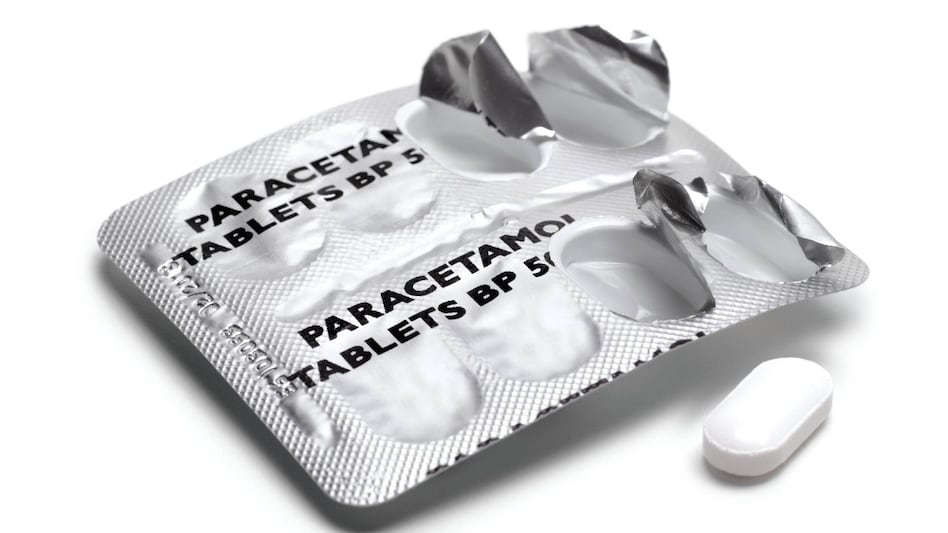
The price spike has hit active pharmaceutical ingredients, solvents, excipients and packaging materials simultaneously. Paracetamol, one of the most commonly used medicines in Indian households, has seen its raw material cost rise from Rs 250 to Rs 450 per kg in just 15 days. If costs continue to rise at this pace, manufacturers warn they will be unable to sustain production at current prices, which could feed through to higher costs for patients.
"Unprecedented 200 to 300% price hikes in APIs, solvents, excipients and packaging materials threaten MSME survival and essential medicine supply," said Sanjay Sharma, spokesperson of the Himachal Drug Manufacturers Association.
The MSME pharmaceutical sector is not a peripheral part of India's drug supply. These manufacturers are among the primary suppliers to government health programmes, hospital tender systems and the open market. A disruption at this level of the supply chain would affect the availability of generic medicines that millions of Indians depend on daily, many of them for chronic conditions such as diabetes, hypertension and respiratory disease.
The association has also flagged shortages of LPG used for industrial boilers, warning of potential labour migration if the situation worsens. Existing production contracts have already become unviable for many smaller manufacturers as input costs have outpaced the prices at which they are contracted to supply.
"The MSME pharma sector seeks urgent support to ensure India's healthcare stability," Sharma said, adding that the association was ready to present ground realities to the government directly. The association has asked the government for a price ceiling on key APIs, solvents, excipients and packaging materials, intervention by the National Pharmaceutical Pricing Authority to monitor prices and supply, supply chain transparency through evaluation of distributor and vendor stocks, and the formation of an emergency task force with immediate implementation of the Essential Commodities Act 1956.
The representation has been filed with the Minister of Health and Family Welfare and the Secretary of the Department of Pharmaceuticals. The government is yet to respond publicly to the association's request.
The West Asia crisis is beginning to hit India's medicine supply chain, with prices of key pharmaceutical raw materials rising by as much as 200% to 300% in just 15 days, raising the risk of higher drug prices and potential shortages for patients across the country.
The warning comes from the Himachal Drug Manufacturers Association, which represents approximately 500 pharmaceutical manufacturing units in Himachal Pradesh, the majority from the MSME sector. The association filed a representation with the Union health ministry on Monday seeking urgent government intervention.
The price spike has hit active pharmaceutical ingredients, solvents, excipients and packaging materials simultaneously. Paracetamol, one of the most commonly used medicines in Indian households, has seen its raw material cost rise from Rs 250 to Rs 450 per kg in just 15 days. If costs continue to rise at this pace, manufacturers warn they will be unable to sustain production at current prices, which could feed through to higher costs for patients.
"Unprecedented 200 to 300% price hikes in APIs, solvents, excipients and packaging materials threaten MSME survival and essential medicine supply," said Sanjay Sharma, spokesperson of the Himachal Drug Manufacturers Association.
The MSME pharmaceutical sector is not a peripheral part of India's drug supply. These manufacturers are among the primary suppliers to government health programmes, hospital tender systems and the open market. A disruption at this level of the supply chain would affect the availability of generic medicines that millions of Indians depend on daily, many of them for chronic conditions such as diabetes, hypertension and respiratory disease.
The association has also flagged shortages of LPG used for industrial boilers, warning of potential labour migration if the situation worsens. Existing production contracts have already become unviable for many smaller manufacturers as input costs have outpaced the prices at which they are contracted to supply.
"The MSME pharma sector seeks urgent support to ensure India's healthcare stability," Sharma said, adding that the association was ready to present ground realities to the government directly. The association has asked the government for a price ceiling on key APIs, solvents, excipients and packaging materials, intervention by the National Pharmaceutical Pricing Authority to monitor prices and supply, supply chain transparency through evaluation of distributor and vendor stocks, and the formation of an emergency task force with immediate implementation of the Essential Commodities Act 1956.
The representation has been filed with the Minister of Health and Family Welfare and the Secretary of the Department of Pharmaceuticals. The government is yet to respond publicly to the association's request.