
Mukesh Ambani's Reliance-led consortium wins race for Mumbai's landmark Juhu Galli slum redevelopment
The project had attracted bids from three major corporate groups - Reliance, Shapoorji Pallonji and JSW.
- Jun 11, 2026,
- Updated Jun 11, 2026 7:33 PM IST
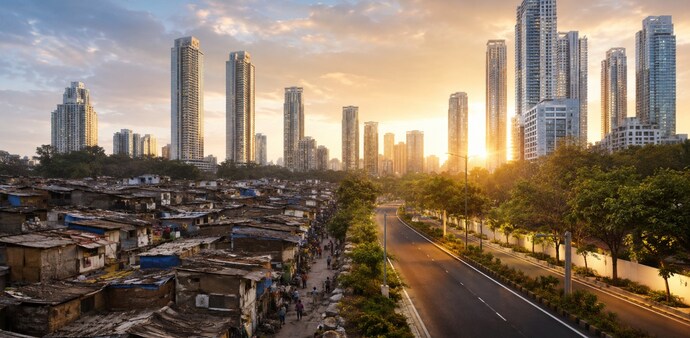
Reliance Industries-led consortium has emerged as the highest bidder for the redevelopment of Mumbai's sprawling 101-acre Juhu Galli slum cluster, The Economic Times reported on Thursday. The consortium has secured what is being described as the city's first major cluster slum rehabilitation project.
Reliance 4IR Realty Development Limited, in consortium with Mahadev Realtors Juhu Pvt Ltd, a subsidiary of Aspect Realty, offered a premium of 35.10% to the Slum Rehabilitation Authority (SRA), significantly higher than the standard 25% premium and the highest among the three bidders.
Don't Miss: Reliance-backed Addverb plans $100 million fundraise as it targets robotics growth
The project had attracted bids from three major corporate groups - Reliance, Shapoorji Pallonji and JSW.
SRA officials told ET that the state government's high-powered committee has approved Reliance's technical and financial bid, and the state government will now issue a Letter of Award (LoA) to the consortium.
As part of the bid conditions, the consortium will clear around Rs 180 crore in pending rent dues to tenants and provide approximately Rs 750 crore as advance transit rent covering the next two years.
Officials noted that developers undertaking SRA projects typically pay a premium equivalent to 25% of the ready reckoner value of the land. Reliance's 35.10% offer was the highest among all bidders.
Must Read: Reliance Industries shares set for re-rating? Target price, what history suggests
Calling the initiative a landmark urban redevelopment project, SRA Chief Executive Officer Mahindra Kalyankar said, "The Juhu Galli cluster redevelopment project is among the largest and first-ever slum cluster redevelopment initiatives ever undertaken in Mumbai and is expected to result in the construction of more than 28,000 rehabilitation homes for eligible slumdwellers."
He said the project was designed to unlock large slum clusters that have proved difficult to redevelop under conventional rehabilitation models and would provide residents with "safe, dignified, and modern housing."
Reliance Industries-led consortium has emerged as the highest bidder for the redevelopment of Mumbai's sprawling 101-acre Juhu Galli slum cluster, The Economic Times reported on Thursday. The consortium has secured what is being described as the city's first major cluster slum rehabilitation project.
Reliance 4IR Realty Development Limited, in consortium with Mahadev Realtors Juhu Pvt Ltd, a subsidiary of Aspect Realty, offered a premium of 35.10% to the Slum Rehabilitation Authority (SRA), significantly higher than the standard 25% premium and the highest among the three bidders.
Don't Miss: Reliance-backed Addverb plans $100 million fundraise as it targets robotics growth
The project had attracted bids from three major corporate groups - Reliance, Shapoorji Pallonji and JSW.
SRA officials told ET that the state government's high-powered committee has approved Reliance's technical and financial bid, and the state government will now issue a Letter of Award (LoA) to the consortium.
As part of the bid conditions, the consortium will clear around Rs 180 crore in pending rent dues to tenants and provide approximately Rs 750 crore as advance transit rent covering the next two years.
Officials noted that developers undertaking SRA projects typically pay a premium equivalent to 25% of the ready reckoner value of the land. Reliance's 35.10% offer was the highest among all bidders.
Must Read: Reliance Industries shares set for re-rating? Target price, what history suggests
Calling the initiative a landmark urban redevelopment project, SRA Chief Executive Officer Mahindra Kalyankar said, "The Juhu Galli cluster redevelopment project is among the largest and first-ever slum cluster redevelopment initiatives ever undertaken in Mumbai and is expected to result in the construction of more than 28,000 rehabilitation homes for eligible slumdwellers."
He said the project was designed to unlock large slum clusters that have proved difficult to redevelop under conventional rehabilitation models and would provide residents with "safe, dignified, and modern housing."