
Recycling industry will be bigger than mining in the next 20-30 years: Tata Steel MD TV Narendran
Says there is a need to prioritise vocational skills alongside traditional degrees, drawing inspiration from Europe and Australia, where vocational skills are held in high regard
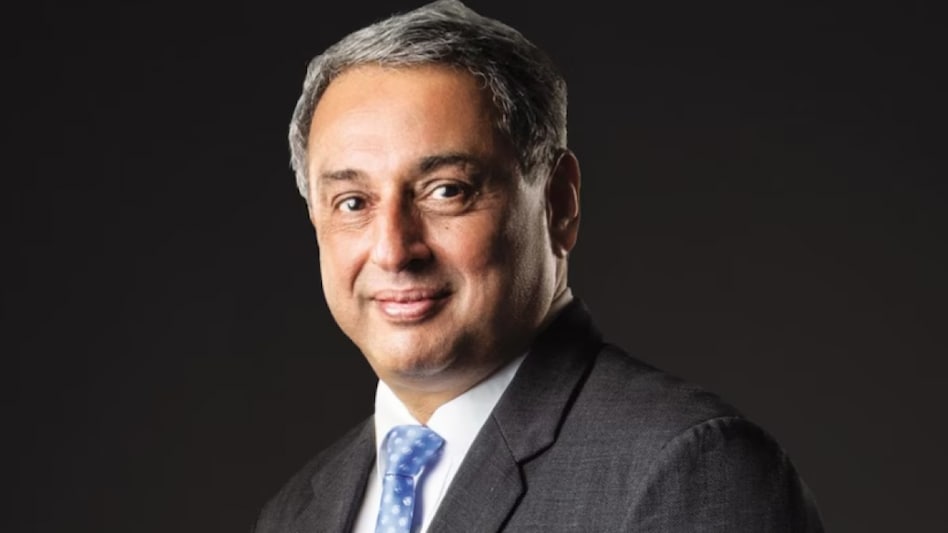
- Sep 26, 2023,
- Updated Sep 26, 2023 2:14 PM IST
TV Narendran, Managing Director of Tata Steel, on Tuesday said steel is used 40 times more than any other metal. While sharing his views at AIMA’s 50th National Management Convention, he added that despite the ever-evolving technological landscape, steel remains a vital commodity due to its affordability, with a price tag as low as Rs 55 per kilogram. “It means you may sometimes get a kg of steel at less than the cost of tomato,” he said. Narendran also shed light on the evolving landscape of employability in India.
However, he also acknowledged the challenges associated with steel production, particularly its significant carbon footprint, contributing to 8 per cent of the world's total. The traditional method of steel production relies heavily on coal, prompting efforts to explore alternative, more environmentally friendly approaches. Narendran highlighted two promising avenues: steel recycling and the use of hydrogen as an energy source.
He sees a vast potential for growth in the steel industry, particularly in recycling. Narendran believes that the recycling industry will eventually surpass mining in the next few decades. He underscored the importance of planting seeds for future businesses while maintaining a balance between short-term and long-term goals. He reminded the audience that multi-generational organisations like Tata Steel must consider the legacy they leave behind for future generations.
“The recycling industry will be bigger than the mining industry in the next 20-30 years. Constantly planting seeds will give you tree in the next few decades,” Nardendran said.
He also delved into the transformative impact of technology in the steel industry, emphasising its potential to drive cost efficiency and enhance customer experiences. With remote operations becoming increasingly feasible, the industry is on the cusp of a technological revolution.
Shifting gears to the future of employability in India, Narendran stressed that there is a need to prioritise vocational skills alongside traditional degrees, drawing inspiration from Europe and Australia, where vocational skills are held in high regard. Narendran advocated for an early introduction of vocational training within the Indian education system, challenging the conventional focus on academics.
Narendran acknowledged the challenges of talent acquisition in legacy industries. On the other hand, he lauded institutions like ISRO, renowned for their world-class scientists, as examples the private sector can learn from.
TV Narendran, Managing Director of Tata Steel, on Tuesday said steel is used 40 times more than any other metal. While sharing his views at AIMA’s 50th National Management Convention, he added that despite the ever-evolving technological landscape, steel remains a vital commodity due to its affordability, with a price tag as low as Rs 55 per kilogram. “It means you may sometimes get a kg of steel at less than the cost of tomato,” he said. Narendran also shed light on the evolving landscape of employability in India.
However, he also acknowledged the challenges associated with steel production, particularly its significant carbon footprint, contributing to 8 per cent of the world's total. The traditional method of steel production relies heavily on coal, prompting efforts to explore alternative, more environmentally friendly approaches. Narendran highlighted two promising avenues: steel recycling and the use of hydrogen as an energy source.
He sees a vast potential for growth in the steel industry, particularly in recycling. Narendran believes that the recycling industry will eventually surpass mining in the next few decades. He underscored the importance of planting seeds for future businesses while maintaining a balance between short-term and long-term goals. He reminded the audience that multi-generational organisations like Tata Steel must consider the legacy they leave behind for future generations.
“The recycling industry will be bigger than the mining industry in the next 20-30 years. Constantly planting seeds will give you tree in the next few decades,” Nardendran said.
He also delved into the transformative impact of technology in the steel industry, emphasising its potential to drive cost efficiency and enhance customer experiences. With remote operations becoming increasingly feasible, the industry is on the cusp of a technological revolution.
Shifting gears to the future of employability in India, Narendran stressed that there is a need to prioritise vocational skills alongside traditional degrees, drawing inspiration from Europe and Australia, where vocational skills are held in high regard. Narendran advocated for an early introduction of vocational training within the Indian education system, challenging the conventional focus on academics.
Narendran acknowledged the challenges of talent acquisition in legacy industries. On the other hand, he lauded institutions like ISRO, renowned for their world-class scientists, as examples the private sector can learn from.