
'Do what India needs': Noel Tata charts new institution-building plan for Tata Trusts
In education, Tata Trusts Chairman Noel Tata highlighted the necessity of expanding domestic capacity at the highest level to address the exodus of Indian talent seeking quality education overseas.
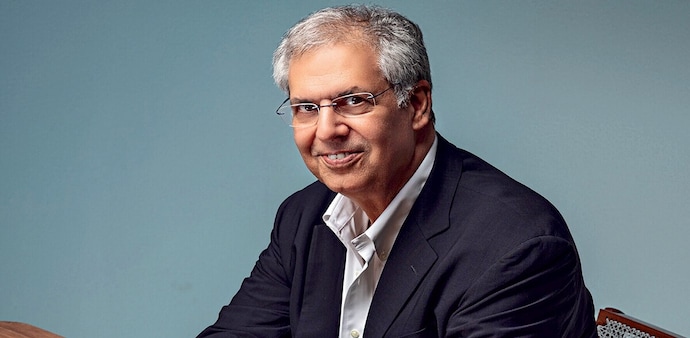
- Aug 2, 2026,
- Updated Aug 2, 2026 9:03 PM IST
Speaking at the IIMBUE leadership conclave organized by the IIM Bangalore Alumni Association, Tata Trusts Chairman Noel Tata outlined a long-term institution-building roadmap anchored in a core directive passed down through generations of leadership: "Do what India needs."
Marking his clearest public statement on the future direction of the country’s largest philanthropic organization, Tata signaled a strategic shift away from short-term project funding toward creating enduring national institutions, expanding affordable healthcare, strengthening domestic higher education, and enforcing strict outcome-based accountability in philanthropy.
Reflecting on the legacy of Jamsetji Tata, Sir Dorab Tata, JRD Tata, and Ratan Tata, he emphasized that wealth creation within the group was never treated as an end in itself.
"The founders left their shares in the companies to the Trusts with one message — do good for India. They never said become the biggest company. The companies exist to serve India and improve the quality of life," Tata said.
"We built institutions like the Indian Institute of Science, Tata Institute of Fundamental Research and Tata Memorial Hospital. I would like us to spend more of our resources building new institutions that can serve future generations," he added.
Expanding Healthcare & Tertiary Education
Addressing healthcare access as a key pillar of the new strategy, Tata noted that following its collaboration with the Assam government to set up 17 cancer care centers, the Trusts are evaluating a network of 40 to 50 not-for-profit general hospitals across the country. The proposed model would leverage cross-subsidization to deliver uniform quality across income segments.
"The same surgeon, the same operating theatre and the same medicines should be available to every patient. The difference should only be in the room, not in the quality of care," he said.
In education, Tata highlighted the necessity of expanding domestic capacity at the highest level to address the exodus of Indian talent seeking quality education overseas. Citing the partnership with IIM Bangalore to establish a world-class undergraduate school, he stressed that India possesses world-class faculty but lacks sufficient top-tier institutions.
"There is no reason why India cannot build enough institutions so students who deserve quality education can receive it here instead of going abroad," Tata said.
He also pointed out that existing policy frameworks restricting educational ventures from operating on a for-profit basis have deterred long-term capital from entering higher education infrastructure.
Measuring social impact
Beyond sector-specific investments, Tata called for greater transparency and metric-driven evaluation across the non-profit sector, pushing back against superficial impact metrics.
"When someone says we have touched 50,000 or one lakh lives, my first question is, what do you mean by 'touched'? We must define impact and measure the outcomes of every rupee we spend," he said.
Detailing the philosophy behind philanthropic capital, Tata previously underscored why early-stage institutional support remains paramount for national development.
"The Tata Trusts have for over a century supported some of India's most defining institutions like the Tata Memorial Hospital and the Indian Institute of Science. This support reflects the same instinct, to build institutions of enduring value through support at an early, formative stage when philanthropic capital can shape not just a building or a budget, but the character and ambition of an institution itself."
Speaking at the IIMBUE leadership conclave organized by the IIM Bangalore Alumni Association, Tata Trusts Chairman Noel Tata outlined a long-term institution-building roadmap anchored in a core directive passed down through generations of leadership: "Do what India needs."
Marking his clearest public statement on the future direction of the country’s largest philanthropic organization, Tata signaled a strategic shift away from short-term project funding toward creating enduring national institutions, expanding affordable healthcare, strengthening domestic higher education, and enforcing strict outcome-based accountability in philanthropy.
Reflecting on the legacy of Jamsetji Tata, Sir Dorab Tata, JRD Tata, and Ratan Tata, he emphasized that wealth creation within the group was never treated as an end in itself.
"The founders left their shares in the companies to the Trusts with one message — do good for India. They never said become the biggest company. The companies exist to serve India and improve the quality of life," Tata said.
"We built institutions like the Indian Institute of Science, Tata Institute of Fundamental Research and Tata Memorial Hospital. I would like us to spend more of our resources building new institutions that can serve future generations," he added.
Expanding Healthcare & Tertiary Education
Addressing healthcare access as a key pillar of the new strategy, Tata noted that following its collaboration with the Assam government to set up 17 cancer care centers, the Trusts are evaluating a network of 40 to 50 not-for-profit general hospitals across the country. The proposed model would leverage cross-subsidization to deliver uniform quality across income segments.
"The same surgeon, the same operating theatre and the same medicines should be available to every patient. The difference should only be in the room, not in the quality of care," he said.
In education, Tata highlighted the necessity of expanding domestic capacity at the highest level to address the exodus of Indian talent seeking quality education overseas. Citing the partnership with IIM Bangalore to establish a world-class undergraduate school, he stressed that India possesses world-class faculty but lacks sufficient top-tier institutions.
"There is no reason why India cannot build enough institutions so students who deserve quality education can receive it here instead of going abroad," Tata said.
He also pointed out that existing policy frameworks restricting educational ventures from operating on a for-profit basis have deterred long-term capital from entering higher education infrastructure.
Measuring social impact
Beyond sector-specific investments, Tata called for greater transparency and metric-driven evaluation across the non-profit sector, pushing back against superficial impact metrics.
"When someone says we have touched 50,000 or one lakh lives, my first question is, what do you mean by 'touched'? We must define impact and measure the outcomes of every rupee we spend," he said.
Detailing the philosophy behind philanthropic capital, Tata previously underscored why early-stage institutional support remains paramount for national development.
"The Tata Trusts have for over a century supported some of India's most defining institutions like the Tata Memorial Hospital and the Indian Institute of Science. This support reflects the same instinct, to build institutions of enduring value through support at an early, formative stage when philanthropic capital can shape not just a building or a budget, but the character and ambition of an institution itself."