
India’s ₹5.67 lakh crore defence opportunity: Why private companies could be the biggest beneficiaries
India’s defence industry is set for a sharp expansion, with domestic defence capital spending projected to grow at a 16% CAGR through FY30, according to Jefferies. The growth is being supported by rising indigenisation, greater private-sector participation and an expanding defence export opportunity.
- Sep 8, 2026,
- Updated Sep 8, 2026 3:43 PM IST
India’s defence sector is entering a high-growth phase, with domestic defence capital spending projected to rise at a 16% CAGR through FY30, according to Jefferies. As procurement shifts towards indigenous sourcing and private participation, the brokerage sees a $60 billion-plus, or about ₹5.67 lakh crore, domestic defence opportunity over the next four years.
Domestic defence spending set to accelerate
India’s overall defence capital expenditure is expected to grow at a 10% CAGR between FY26 and FY30, but domestic defence spending is projected to grow considerably faster at 16% annually, Jefferies said.
The brokerage estimates the addressable opportunity for Indian defence companies will expand at a 15% CAGR over FY26-30, supported by higher domestic procurement and the government’s push to build indigenous capabilities.
This growth is part of a broader shift in India’s defence procurement strategy. The government has been working to reduce dependence on imports and increase the role of domestic manufacturers across platforms, systems and components.
Private sector share on the rise
Private defence companies are positioned to benefit from this shift as procurement increasingly opens up beyond traditional defence public sector undertakings (DPSUs).
According to Jefferies, the private-sector share among a group of key listed defence companies increased from 9% in FY23 to 16% in FY26. The brokerage expects this share to rise further to around 17.5% in FY27 and 17.6% in FY28-29.
The government’s indigenisation drive has already resulted in positive indigenisation lists covering more than 500 platforms and systems and over 5,000 key sub-systems and line-replaceable units. In addition, 75% of the defence capital procurement budget has been earmarked for domestic sourcing.
Procurement reforms could aid private players
The expected Defence Acquisition Procedure (DAP) 2026 could further support private-sector participation by shortening procurement timelines and moving the system towards greater competitive bidding.
Jefferies noted that the Ministry of Defence is gradually shifting away from nomination-based orders towards competitive procurement. The draft DAP 2026 also proposes a Strategic Partnership Model for developing private indigenous capabilities.
The brokerage expects these changes, along with greater indigenisation, to improve visibility for domestic suppliers and potentially support margins as local manufacturing and supply chains deepen.
Defence exports add another growth leg
The opportunity for India’s defence industry is not limited to domestic procurement. Defence exports have also emerged as an important growth avenue, with exports rising 63% year-on-year to ₹38,400 crore in FY26, surpassing the government’s ₹30,000 crore target for the year.
Jefferies expects defence exports to grow at an 11% CAGR to ₹58,400 crore by FY30. The brokerage said the increased use of Indian-made defence systems in Operation Sindoor could provide operational validation and strengthen the credibility of these products in international markets.
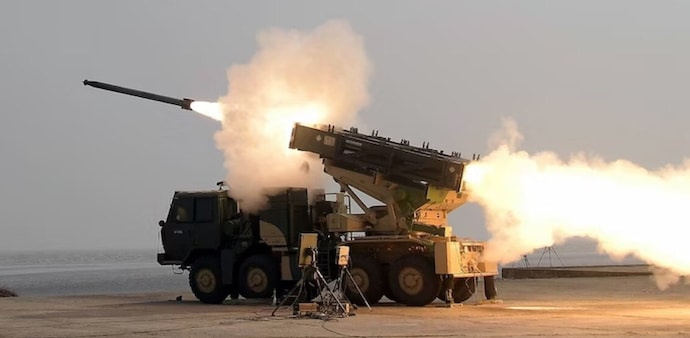
The shift could benefit the wider domestic ecosystem, as Indian defence manufacturing increasingly spans complete platforms as well as missiles, radars, electronic systems, ammunition, components and other subsystems.
From import dependence to a domestic supply chain
India’s indigenisation push is also changing the structure of the defence industry. The government began its drive in 2014-15 with the objective of reducing import dependence, while successive positive indigenisation lists have expanded the number of platforms, systems and components earmarked for domestic production.
Jefferies expects this trend to support greater supply-chain visibility and potentially improve margins for domestic manufacturers as more value moves towards Indian suppliers.
The combination of rising domestic capital spending, a growing addressable market, higher private-sector participation and expanding exports therefore points to a structural opportunity for India’s defence manufacturing industry rather than a temporary increase in orders.
India’s defence sector is entering a high-growth phase, with domestic defence capital spending projected to rise at a 16% CAGR through FY30, according to Jefferies. As procurement shifts towards indigenous sourcing and private participation, the brokerage sees a $60 billion-plus, or about ₹5.67 lakh crore, domestic defence opportunity over the next four years.
Domestic defence spending set to accelerate
India’s overall defence capital expenditure is expected to grow at a 10% CAGR between FY26 and FY30, but domestic defence spending is projected to grow considerably faster at 16% annually, Jefferies said.
The brokerage estimates the addressable opportunity for Indian defence companies will expand at a 15% CAGR over FY26-30, supported by higher domestic procurement and the government’s push to build indigenous capabilities.
This growth is part of a broader shift in India’s defence procurement strategy. The government has been working to reduce dependence on imports and increase the role of domestic manufacturers across platforms, systems and components.
Private sector share on the rise
Private defence companies are positioned to benefit from this shift as procurement increasingly opens up beyond traditional defence public sector undertakings (DPSUs).
According to Jefferies, the private-sector share among a group of key listed defence companies increased from 9% in FY23 to 16% in FY26. The brokerage expects this share to rise further to around 17.5% in FY27 and 17.6% in FY28-29.
The government’s indigenisation drive has already resulted in positive indigenisation lists covering more than 500 platforms and systems and over 5,000 key sub-systems and line-replaceable units. In addition, 75% of the defence capital procurement budget has been earmarked for domestic sourcing.
Procurement reforms could aid private players
The expected Defence Acquisition Procedure (DAP) 2026 could further support private-sector participation by shortening procurement timelines and moving the system towards greater competitive bidding.
Jefferies noted that the Ministry of Defence is gradually shifting away from nomination-based orders towards competitive procurement. The draft DAP 2026 also proposes a Strategic Partnership Model for developing private indigenous capabilities.
The brokerage expects these changes, along with greater indigenisation, to improve visibility for domestic suppliers and potentially support margins as local manufacturing and supply chains deepen.
Defence exports add another growth leg
The opportunity for India’s defence industry is not limited to domestic procurement. Defence exports have also emerged as an important growth avenue, with exports rising 63% year-on-year to ₹38,400 crore in FY26, surpassing the government’s ₹30,000 crore target for the year.
Jefferies expects defence exports to grow at an 11% CAGR to ₹58,400 crore by FY30. The brokerage said the increased use of Indian-made defence systems in Operation Sindoor could provide operational validation and strengthen the credibility of these products in international markets.
The shift could benefit the wider domestic ecosystem, as Indian defence manufacturing increasingly spans complete platforms as well as missiles, radars, electronic systems, ammunition, components and other subsystems.
From import dependence to a domestic supply chain
India’s indigenisation push is also changing the structure of the defence industry. The government began its drive in 2014-15 with the objective of reducing import dependence, while successive positive indigenisation lists have expanded the number of platforms, systems and components earmarked for domestic production.
Jefferies expects this trend to support greater supply-chain visibility and potentially improve margins for domestic manufacturers as more value moves towards Indian suppliers.
The combination of rising domestic capital spending, a growing addressable market, higher private-sector participation and expanding exports therefore points to a structural opportunity for India’s defence manufacturing industry rather than a temporary increase in orders.