
Tata Sons listing: Inclusion in RBI’s upper layer NBFC list keeps issue wide open
Tata Sons listing may well be inevitable now that it’s been retained in Reserve Bank’s upper list NBFC list. It will all depend now what decision the RBI takes on its deregistration application.
- Aug 6, 2026,
- Updated Aug 6, 2026 8:54 PM IST
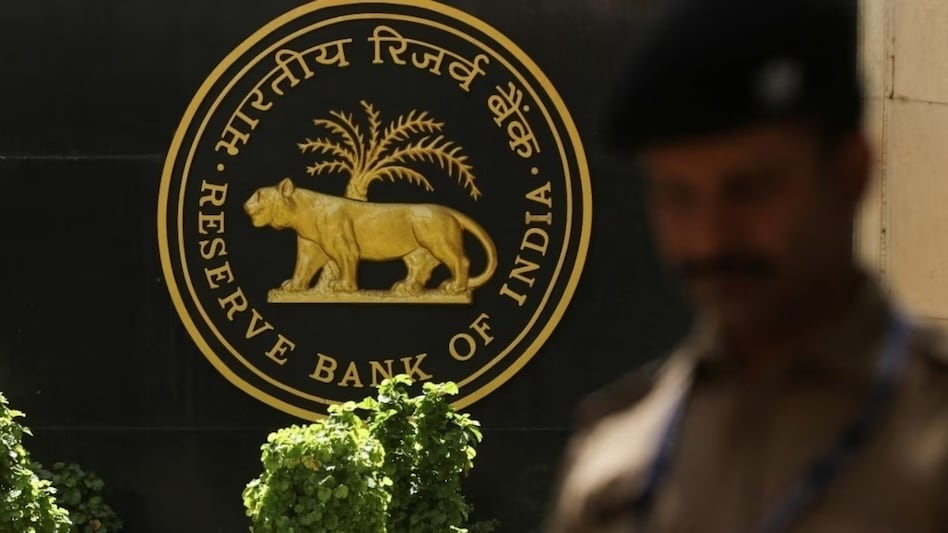
The Reserve Bank of India on Thursday, August 6, finally released the long awaited list of upper layer non-banking finance companies (NBFC) and for one entity there remains a status quo. The central bank has retained Tata Sons, the holding company of the aviation to software conglomerate, in the list, identifying it as a core investment company. That would essentially make listing an inevitability, unless of course it accepts it’s deregistration application.
Reserve Bank defines core investment companies (CIC) as an NBFC carrying on the business of acquisition of shares and securities, and holding not less than 90 per cent of its net assets in the form of investment in equity shares, preference shares, bonds, debentures, debt or loans in group companies.
Upper layer NBFCs are essentially those that RBI feels are systemically important and hence are subject to enhanced regulatory requirements.
In 2022, RBI had released a list of upper-layer NBFCs. This list included Tata Sons. In June 2026, the central bank released a new principle-based framework for NBFC classification, replacing the earlier parametric methodology used for determining upper layer NBFCs. Tata Sons has been retained in the list.
As per the new norms, the upper layer shall consist of NBFCs having asset size of Rs 1 lakh crore and above as per the latest audited balance sheet for the financial year. With standalone asset size of over Rs 2 lakh crore as of March 2026, Tata Sons sits well above RBI's requirements for upper layer NBFC classification.
Including Tata Sons, RBI’s upper layer list has 17 NBFCs. These include public sector entities like REC, Power Finance Corp and Indian Railway Finance Corp as well as the top private sector entities including Bajaj Finance, Shriram Finance, Cholamandalam Investment, Tata Capital, L&T Finance, Mahindra Finance and Muthoot Finance among others. Tata Sons remains the only unlisted entity on the list.
Existing norms for upper layer NBFCs require them to be listed on the stock exchanges. Within Tata Sons, there have been some who have been for listing and some who are against it. That ball now solely lies in the RBI’s court. The central bank is yet to decide on the Tata Sons application to deregister it as a CIC.
Releasing the list of upper layer NBFCs, the RBI stated that Tata Sons’ inclusion “is without prejudice to the outcome of its application for de-registration, which is under examination.”
Earlier speaking with reporters on Wednesday, RBI Governor Sanjay Malhotra said, "everyone knows as to which NBFC is in upper layer, which is in middle and which is at the base layer. All those who meet the criteria, will continue."
One entity that that is firmly in favour of listing of Tata Sons is the Shapoorji Pallonji Group. The SP Group holds a little over 18 per cent stake in Tata Sons. It sees a potential listing of Tata Sons as an opportunity to sell that stake and raise much needed capital to reduce its huge debt burden.
Shriram Subramanian, the founder and managing director of proxy advisory and corporate governance firm InGovern Research Services feels RBI needs to decide on Tata Sons deregistration application “one way or the other, rather than holding it half way like this.”
He, himself, feels the RBI should reject the deregistration application and Tata Sons should be listed.
“For Tata Sons it will provide liquidity to the management and flexibility to raise capital. It will also provide liquidity to the SP Group,” he told BT.
Transitioning to a listed company will trigger market regulator SEBI’s listing obligations and disclosure requirements (LODR). InGovern argues that for a holding company whose controlling assets include systematic listed companies like Tata Consultancy Services, Tata Motors and Tata Power, SEBI's LODR is essential to govern related party transactions and ensure that group-level capital allocation is transparent to the broader market.
“The core issue here is not formal compliance alone, but whether a private holding company of this large scale should continue to operate outside the disclosure standards expected of a systemically relevant entity,” it said.
According to InGovern, the case for Tata Sons’ continued private status has weakened materially.
“Arguments based on holding company discounts, historical stewardship, or philanthropic ownership may explain why the structure has endured, but they do not provide a sufficient basis to exempt a systemically relevant entity from stronger disclosure and governance norms,” it said in May 2026.
InGovern even wrote a letter to directors of several Tata companies on why Tata Sons’ continued private status poses systemic risks amid RBI’s 2026 regulatory shifts—and why it is the board’s fiduciary duty to advocate for its listing to protect its public shareholders.
The Reserve Bank of India on Thursday, August 6, finally released the long awaited list of upper layer non-banking finance companies (NBFC) and for one entity there remains a status quo. The central bank has retained Tata Sons, the holding company of the aviation to software conglomerate, in the list, identifying it as a core investment company. That would essentially make listing an inevitability, unless of course it accepts it’s deregistration application.
Reserve Bank defines core investment companies (CIC) as an NBFC carrying on the business of acquisition of shares and securities, and holding not less than 90 per cent of its net assets in the form of investment in equity shares, preference shares, bonds, debentures, debt or loans in group companies.
Upper layer NBFCs are essentially those that RBI feels are systemically important and hence are subject to enhanced regulatory requirements.
In 2022, RBI had released a list of upper-layer NBFCs. This list included Tata Sons. In June 2026, the central bank released a new principle-based framework for NBFC classification, replacing the earlier parametric methodology used for determining upper layer NBFCs. Tata Sons has been retained in the list.
As per the new norms, the upper layer shall consist of NBFCs having asset size of Rs 1 lakh crore and above as per the latest audited balance sheet for the financial year. With standalone asset size of over Rs 2 lakh crore as of March 2026, Tata Sons sits well above RBI's requirements for upper layer NBFC classification.
Including Tata Sons, RBI’s upper layer list has 17 NBFCs. These include public sector entities like REC, Power Finance Corp and Indian Railway Finance Corp as well as the top private sector entities including Bajaj Finance, Shriram Finance, Cholamandalam Investment, Tata Capital, L&T Finance, Mahindra Finance and Muthoot Finance among others. Tata Sons remains the only unlisted entity on the list.
Existing norms for upper layer NBFCs require them to be listed on the stock exchanges. Within Tata Sons, there have been some who have been for listing and some who are against it. That ball now solely lies in the RBI’s court. The central bank is yet to decide on the Tata Sons application to deregister it as a CIC.
Releasing the list of upper layer NBFCs, the RBI stated that Tata Sons’ inclusion “is without prejudice to the outcome of its application for de-registration, which is under examination.”
Earlier speaking with reporters on Wednesday, RBI Governor Sanjay Malhotra said, "everyone knows as to which NBFC is in upper layer, which is in middle and which is at the base layer. All those who meet the criteria, will continue."
One entity that that is firmly in favour of listing of Tata Sons is the Shapoorji Pallonji Group. The SP Group holds a little over 18 per cent stake in Tata Sons. It sees a potential listing of Tata Sons as an opportunity to sell that stake and raise much needed capital to reduce its huge debt burden.
Shriram Subramanian, the founder and managing director of proxy advisory and corporate governance firm InGovern Research Services feels RBI needs to decide on Tata Sons deregistration application “one way or the other, rather than holding it half way like this.”
He, himself, feels the RBI should reject the deregistration application and Tata Sons should be listed.
“For Tata Sons it will provide liquidity to the management and flexibility to raise capital. It will also provide liquidity to the SP Group,” he told BT.
Transitioning to a listed company will trigger market regulator SEBI’s listing obligations and disclosure requirements (LODR). InGovern argues that for a holding company whose controlling assets include systematic listed companies like Tata Consultancy Services, Tata Motors and Tata Power, SEBI's LODR is essential to govern related party transactions and ensure that group-level capital allocation is transparent to the broader market.
“The core issue here is not formal compliance alone, but whether a private holding company of this large scale should continue to operate outside the disclosure standards expected of a systemically relevant entity,” it said.
According to InGovern, the case for Tata Sons’ continued private status has weakened materially.
“Arguments based on holding company discounts, historical stewardship, or philanthropic ownership may explain why the structure has endured, but they do not provide a sufficient basis to exempt a systemically relevant entity from stronger disclosure and governance norms,” it said in May 2026.
InGovern even wrote a letter to directors of several Tata companies on why Tata Sons’ continued private status poses systemic risks amid RBI’s 2026 regulatory shifts—and why it is the board’s fiduciary duty to advocate for its listing to protect its public shareholders.